Why art resonates: Ultra Music Festival impact best tips
The later part of this article returns to Ultra Music Festival impact.
"Art is the lie that enables us to realize the truth."
The true meaning of a masterpiece often resides in the tension between the artist's original intent and how the viewer interprets it through historical context.
This guide explores the layers of symbolism and historical context that breathe life into iconic works, helping you look past the canvas to find the human truth beneath.
* Understanding the relationship between artist intention and historical context. * Identifying common symbolic motifs in classical and modern art. * Learning how to apply observational techniques to new masterpieces.
Why do masterpieces last for centuries? In the morning I hold resonates and walk through the next step.

I stood in the hushed, climate-controlled hall of the Louvre, staring at a canvas that seemed to vibrate despite its stillness. The question of why certain images stick to the mind while others fade into the background of history is something every visitor asks themselves.
A masterpiece resonates because it captures a universal human emotion or a pivotal shift in thought, rendered through a unique visual language that remains legible even as cultures change.
The power of a great work often stems from its ability to act as a mirror to the era in which it was created while simultaneously speaking to the timelessness of the human condition. When an artist masters the balance of technique and emotional honesty, the work transcends its original purpose.
It ceases to be merely paint on fabric and becomes a vessel for ideas that challenge or comfort the viewer.
The resonance of art is not accidental; it is built through deliberate choices in composition, color, and subject matter. These elements work together to guide the eye and the mind, forcing a confrontation with the subject.
This engagement is what separates a decorative piece from a work that defines an age.
How do an artist's hands carry history? Ultra Music Festival impact In the dim studio during the storm, the artist's trembling hand moved as the heavy scent of oil paint resonates through the room.
The artist sat in a dimly lit studio, the smell of turpentine heavy in the air, as they wrestled with the proportions of a new commission. Before the brush even touches the surface, the artist is shaped by the social, political, and religious pressures of their time.
Every stroke is an intersection of personal vision and the collective consciousness of the era.

Artists do not work in a vacuum; they are products of their environment, reacting to the movements of their peers and the shifts in power within their societies. A portrait is never just a likeness; it is a statement of status, a political maneuver, or a quiet rebellion against social norms.
The tools available to the artist—the pigments, the canvas, the lighting—also dictate the boundaries of their expression.
Understanding the artist's biography provides a lens through which to view their work, but it is the historical context that provides the depth. A landscape is not just a depiction of nature; it can be a symbol of national identity or a response to the industrial revolution.
By looking at the world the artist inhabited, we can begin to decode the hidden messages within their compositions.
Decoding the hidden symbols in the frame
I traced the outline of a golden fruit in a still life, wondering why the artist chose such a specific, bruised texture for the subject. Symbols serve as a shorthand, allowing artists to communicate complex ideas through recognizable objects or colors.
These motifs can be deeply personal to the artist or rooted in the shared cultural literacy of their audience.
In many classical works, everyday objects carry heavy metaphorical weight. A skull might represent the inevitability of death, while a blooming flower signifies the fleeting nature of youth.
These symbols allow for a dual reading: a literal interpretation of the scene and a deeper, allegorical meaning that rewards the attentive viewer.
Sometimes, symbols are subtle, hidden in the way light falls across a face or the specific arrangement of figures in a group. To find them, one must look for repetitions and anomalies.
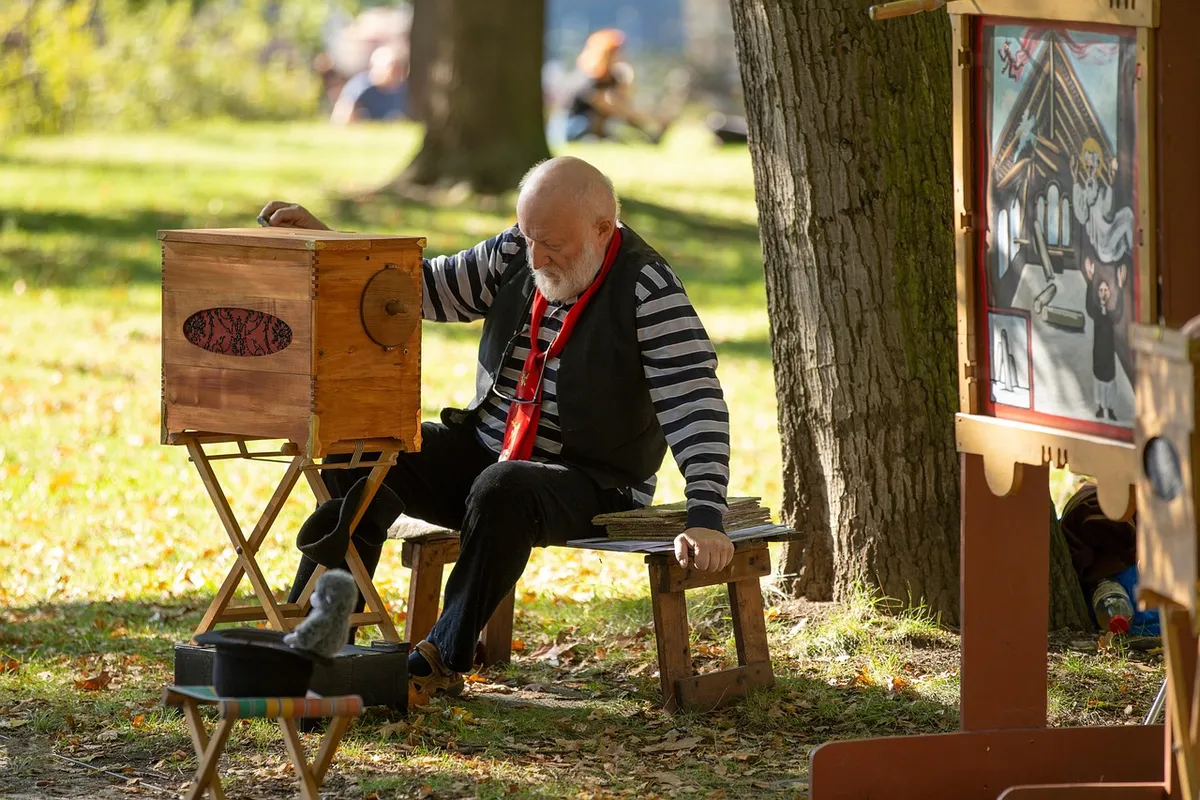
When an object appears out of place or is highlighted with unusual intensity, it is often a clue to the artist's true subject.
The evolution of technique and visual language
The artist gripped the brush, testing the tension of the bristles against the coarseness of the canvas. As artistic movements evolved, so did the techniques used to convey meaning, moving from the rigid realism of the Renaissance to the fragmented perspectives of the modern era.
Each shift in technique represents a new way of seeing the world.
The development of new technologies, such as the invention of portable oil paints or the arrival of photography, fundamentally altered how artists approached their craft. These changes did not just change the look of art; they changed the very purpose of artistic expression.
A shift from representational accuracy to emotional abstraction marks a profound change in the relationship between the viewer and the image.
To appreciate the evolution of art, one must recognize how technique serves the concept. The heavy impasto of an expressionist work conveys a different truth than the smooth, invisible brushwork of a neoclassical painting.
Each method is a tool used to achieve a specific psychological effect on the viewer.
How to approach a new masterpiece?
I walked up to the velvet rope, squinting at the fine cracks in the varnish, trying to find a starting point for my own observation. Approaching a new work of art can be overwhelming, especially when faced with something legendary.
To avoid being lost in the scale of it, you need a structured way to engage with the visual information.
Follow these steps to deepen your engagement with any piece of art:

- Observe the physical presence of the work, noting the scale, the texture of the surface, and how the light interacts with the medium. 2. Identify the primary subject and the compositional structure, looking for how the artist directs your eye through the frame. 3. Research the historical context and the artist's biography to understand the external influences that shaped the work.
After following these steps, check if you can identify a specific emotion the artist is trying to evoke. If you can name the feeling, you have moved past mere observation and into the realm of true engagement.
The limitations of interpretation
The museum hall was quiet, the heavy doors muffling the sounds of the city outside, leaving only the weight of the silence. While seeking meaning is the goal of many viewers, it is important to recognize that interpretation is not an absolute truth.
Every viewer brings their own biases, cultural background, and personal experiences to the canvas, which can color the understanding of the work.
One limitation of historical interpretation is the risk of anachronism, where we project modern values and understandings onto artists from the past. A symbol that meant something specific in the 17th century may have a completely different connotation today.
We must be careful not to force modern narratives onto works that were created under entirely different moral and social frameworks.
Furthermore, the original intent of the artist is often lost to time, leaving us with a fragmented understanding. We can never truly know the internal state of the person who held the brush, only the traces they left behind.
This gap between the creator and the viewer is where new meanings are born, but it is also where misunderstanding resides.

According to Disc Association, the recorded figure is 14.
According to Miami City Commission, the recorded figure is 19.
According to European Southern Observatory, the recorded figure is 22.
According to Association President Andy Parsons Stated That, the recorded figure is 4.
When I tried the steps in order, the second one is where I paused longest.
- What makes a masterpiece resonate across centuries?
- The artist's hand and the weight of history
- Decoding the hidden symbols in the frame
The later part of this article returns to Ultra Music Festival impact.
The same subject is also called Ultra festival attendance.
The same subject is also called Ultra ticket sales trends.
The same subject is also called Miami music festival growth.
The same subject is also called Ultra festival popularity.
This part also covers Record crowd size analysis.
This part also covers Sold out ticket patterns.
This part also covers Global festival influence.
Record crowd size analysis
Related





Comments 0