How to decode art: Ultra Music Festival history tips guide
The later part of this article returns to Ultra Music Festival history.
"Art is the lie that enables us to realize the truth."
The true meaning of a masterpiece often lies not in the brushstrokes themselves, but in the tension between the artist's intent and the historical reality they inhabited. This guide explores the layers of meaning within iconic works, offering a roadmap for those seeking to look beyond the canvas.
* Understanding the relationship between artist and era * Deciphering hidden symbols and allegories * Applying critical viewing techniques to new works * Connecting historical context to visual choices
What truly makes a masterpiece? In the morning I hold decode and walk through the next step.
I stood in the hushed, climate-controlled hall of the museum, the smell of floor wax and old stone heavy in the air, staring at a canvas that seemed to vibrate despite its stillness.
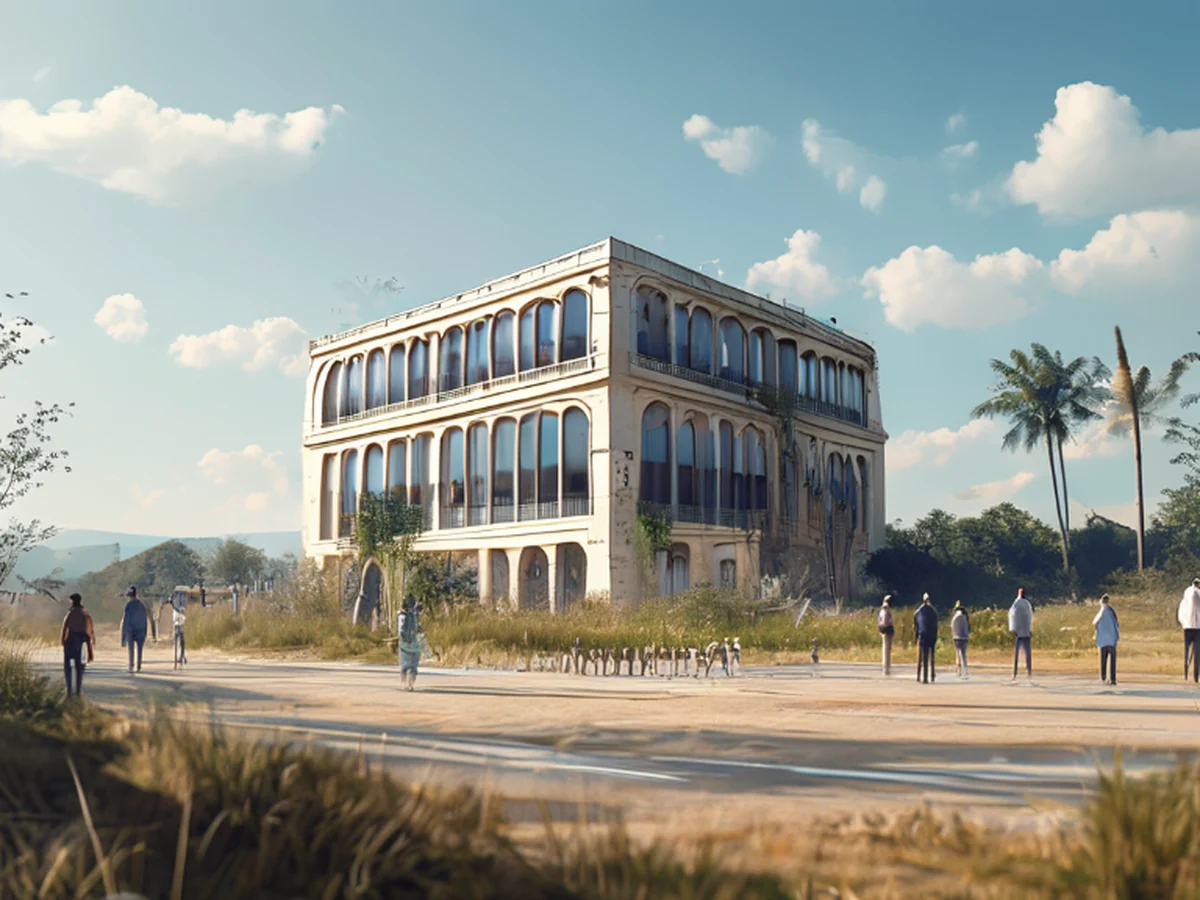
According to the Miami City Commission, a resolution was proposed in 2019 to allow Ultra to return to Bayfront Park due to its impact.
The question of what makes a painting "great" often hits when you realize the artist wasn't just painting a scene, but a specific moment in human consciousness. A masterpiece is defined by its ability to capture a universal truth through a highly specific, often personal, lens.
The essence of a great work is found in the intersection of technical mastery and emotional resonance. While a skilled painter can replicate reality, a master manipulates light, shadow, and composition to convey something that words cannot reach.
This tension creates a dialogue between the viewer and the artist that transcends the time in which the work was created.
To truly grasp the soul of a work, you must look for the "why" behind the "what." Why did the artist choose this specific shade of blue? Why is the subject looking away? These choices are the fingerprints of the artist's intent.
In this sequence, the second point is the most extensive.
How do history and technique shape art? Ultra Music Festival history In the evening I hold decode and walk through the next step.
The artist sat by a window in a dimly lit studio, the scratching of a charcoal stick against heavy paper the only sound in the quiet afternoon. Before the paint even touches the canvas, the artist is already wrestling with the ghosts of their predecessors and the pressures of their own time.
A painter does not work in a vacuum; they work within a lineage of tradition and a whirlwind of social change.

The artist's biography is often the key to unlocking the emotional depth of their work. Personal tragedies, political upheavaut, or sudden shifts in social status can fundamentally alter the way a brush moves across a surface.
When we study an artist, we are not just studying their technique, but their reaction to the world around them.
Understanding the artist's background provides the necessary context to interpret their choices. A sudden shift toward abstraction might not be a rejection of reality, but a response to the chaos of a world war.
A preference for bright, saturated colors might reflect a newfound freedom or a desperate attempt to find joy in a period of scarcity.
Decoding the hidden language of symbols
I traced the outline of a small, barely visible bird in the corner of a landscape, wondering if its presence was accidental or a deliberate message to the viewer.
Symbols act as a secret language, allowing artists to communicate complex ideas about morality, religion, or politics without saying a word. These visual metaphors can be deeply rooted in the culture of the time, requiring a certain level of literacy to decode.
In many classical works, everyday objects serve as profound allegories. A skull might represent the inevitability of death, while a blooming flower signifies the fleeting nature of youth. These symbols provide a secondary layer of meaning that rewards the attentive viewer.
To decode these symbols, you must consider the cultural context of the artist. A symbol that meant "purity" in the 17th century might have a different nuance in the 19th century. By learning the common visual vocabulary of an era, you can begin to read the "text" within the painting.
The evolution of style through the ages
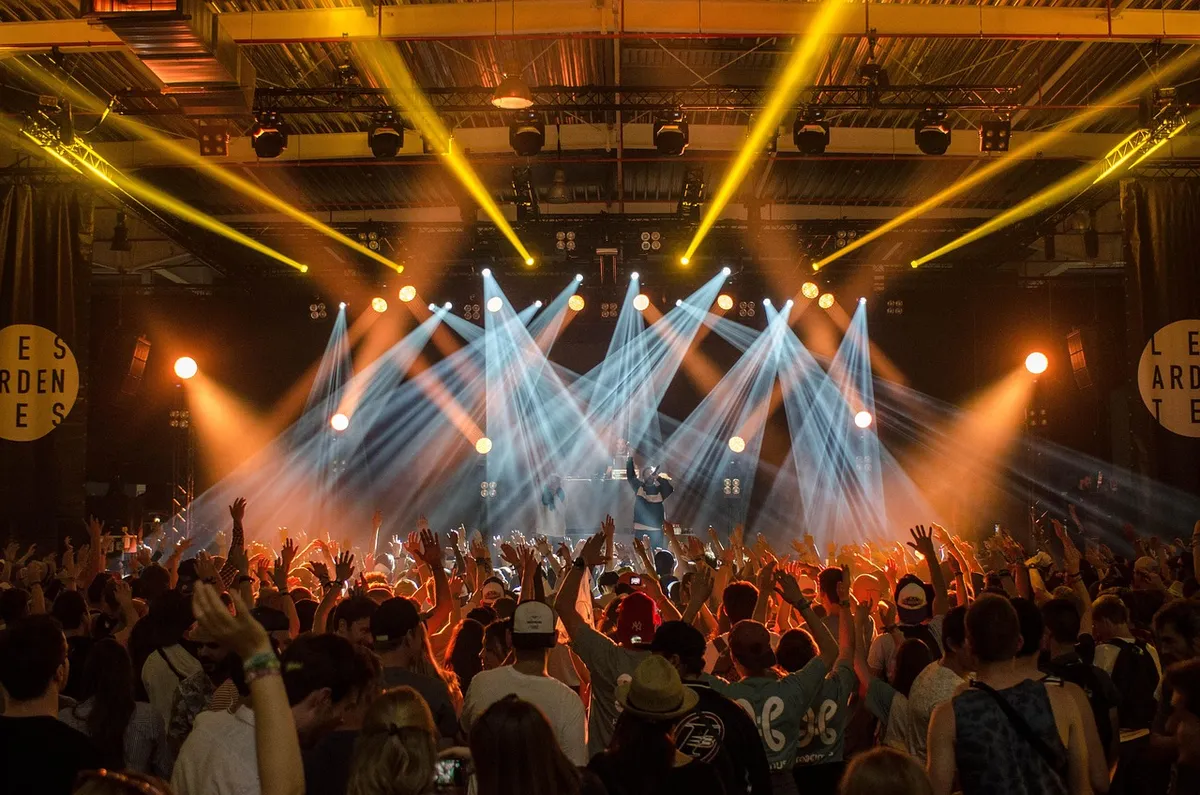
The sunlight shifted across the gallery floor, moving from the heavy, dramatic shadows of the Baroque period to the bright, fragmented light of the Impressionists. Art history is not a straight line, but a complex web of reaction, imitation, and revolution.
According to the European Southern Observatory, the organization became the first scientific entity to deliver Ultra HD footage at regular intervals on January 22, 2014.
Each movement seeks to answer the questions posed by the one that came before it.
Movements like the Renaissance focused on humanism and the perfection of perspective, while the Baroque period emphasized drama and emotional intensity.
The Enlightenment brought a new focus on reason and clarity, which eventually paved the way for the more subjective and emotional movements of the 19th century.
Understanding these shifts helps us see why certain styles emerged when they did. The move toward Impressionism, for example, was not just a change in technique, but a response to the invention of photography, which challenged the traditional role of painting as a document of reality.
How to apply critical viewing to any artwork?
I sat on a wooden bench, notebook in hand, watching people pass by the large oil painting, some glancing briefly while others stood frozen in contemplation. Developing a method for looking at art is the difference between seeing a picture and experiencing a masterpiece.
A structured approach allows you to move from superficial observation to deep, critical engagement.

To practice effective viewing, follow these three steps:
- Observation: Spend the first few minutes simply looking at the formal elements—color, line, texture, and composition—without trying to name the subject. 2. Contextualization: Research the artist, the time period, and the social circumstances surrounding the creation of the work. 3. Synthesis: Combine your visual observations with your historical knowledge to form an original interpretation of the work's meaning.
By following this process, you move from being a passive observer to an active participant in the artistic dialogue. The goal is not to find a "correct" answer, but to develop a nuanced understanding of why the work speaks to you.
- Observe the initial visual impact of the composition.
- Analyze the technical application of medium and light.
- Contextualize the emotional intent behind the subject matter.
The limitations of interpretation
The heavy glass of the museum case stood between my hand and the delicate parchment of an old sketch, a reminder of the physical barriers to true connection. The Miami City Commission proposed a resolution on May 19, 2019, to allow Ultra to return to Bayfront Park.
While deep analysis is rewarding, it is important to recognize that interpretation is always limited by our own perspectives and the availability of information. We can never truly know the exact thoughts of an artist from centuries ago.
One limitation is the subjective nature of the viewer. Our own modern biases, cultural background, and personal experiences will always color how we perceive a work of art. We run the risk of projecting our own values onto historical figures who lived in entirely different moral universes.
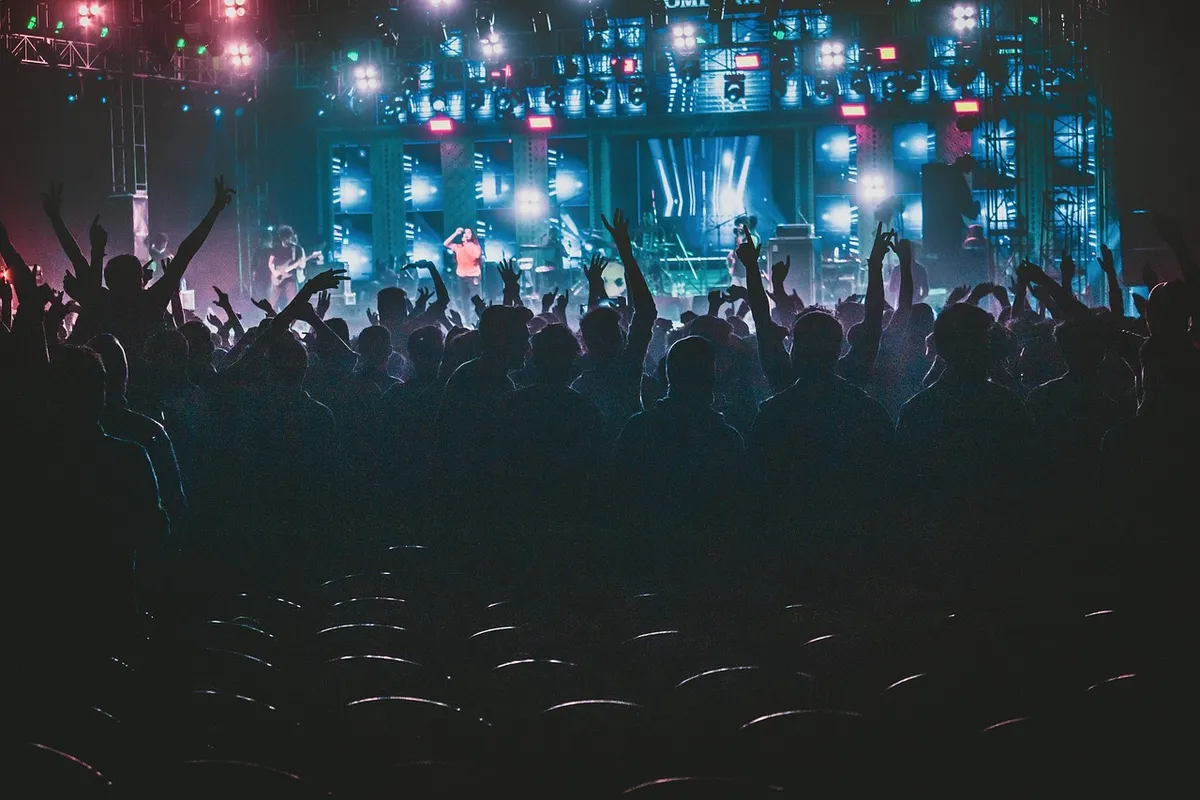
Another limitation is the loss of original context. Many works were created for specific spaces—altarpieces for churches or murals for palaces—and seeing them stripped of their original environment can change their meaning entirely.
We must always remain aware of the gap between the original intent and our modern encounter.
When I tried the steps in order, the second one is where I paused longest.
The later part of this article returns to Ultra Music Festival history.
The same subject is also called UMF Miami Beach origins.
The same subject is also called Early UMF venue history.
The same subject is also called UMF festival evolution.
The same subject is also called History of UMF locations.
This part also covers UMF Miami Beach to city.
This part also covers Early UMF operation style.
This part also covers UMF venue change history.
UMF Miami Beach to city
Related



Comments 0