1660s Dutch market life: How prosperity shaped the art style
In many works, a map represents the global reach and curiosity of the Dutch Republic, while a musical instrument might suggest the harmony of the soul or the fleeting nature of life. The Dutch Golden Age was characterized by a massive rise in the merchant class, which created a new market for art that reflected everyday life rather than just religious or aristocratic themes.
"Art is not what you see, but what you make others see."
Understanding the hidden layers of a masterpiece requires looking past the brushstrokes to the soul of the artist. This guide explores the profound symbolism in Johannes Vermeer's work, specifically focusing on how light and domesticity intersect to create timelessness.

We will cover the artist's meticulous technique, the symbolic meaning of everyday objects, and how to identify the subtle narratives within his quietest scenes.
* The interplay of light and shadow creates emotional depth. * Domestic objects often serve as complex metaphors for morality or status. * Meticulous attention to texture defines the Dutch Golden Age style.
Why does the light feel so alive in Vermeer's work?
At noon in the quiet studio, I squint as the golden sunlight hits the dutch lace, making the fabric feel warm against my skin.
A single ray of sunlight hits a lace collar in a quiet room, making the fabric seem to hum with energy. This sense of life comes from the artist's mastery of light, which acts as a character rather than just a setting.
He uses light to direct the viewer's eye and to establish the mood of the domestic space.
The artist creates a sense of presence by capturing how light interacts with different surfaces, from polished wood to soft silk. This technique creates a three-dimensional feeling that pulls the viewer into the room.
By focusing on the way light fades into shadow, he creates a sense of time passing within a single frozen moment.

The way the light hits the subjects creates a sense of intimacy that feels almost intrusive. It is as if we are peering through a window into a private life. This mastery of optics was revolutionary for the time and continues to fascinate viewers today.
What are the hidden symbols in everyday objects?
In the evening I hold dutch and walk through the next step.
A simple glass of water or a map on a wall might seem like mere decoration to a casual observer. However, in the context of the 17th century, these items often carried heavy symbolic weight regarding wealth, intellect, or morality. These objects turn a simple portrait into a complex narrative.
Such items were not chosen at random; they were carefully placed to communicate the character or the social standing of the subject.
For example, a pearl could symbolize purity or worldly vanity, depending on the context of the scene. By recognizing these symbols, the viewer can unlock the intended message of the artist. This layer of meaning transforms a simple depiction of a room into a profound commentary on human existence.
How did the Dutch Golden Age shape this style?
Walking through a bustling Dutch market in the 1660s, one would sense the immense wealth and the shifting social tides of the era. This environment of prosperity and scientific advancement provided the perfect backdrop for the emergence of specialized painters.

The era's focus on realism and domesticity defined the visual language of the time.
This shift allowed for the exploration of genre painting, where scenes of domestic life became highly valued. The stability and wealth of the Republic encouraged a focus on the beauty of the mundane.
Artists began to experiment with optics and the physics of light, driven by the era's scientific curiosity. This intersection of commerce, science, and art allowed for the incredible detail seen in the works of the period.
The focus on the "small" reflected the pride in the tangible reality of Dutch life.
How to identify the artist's technique in person?
Standing before a canvas in a quiet museum gallery, you might notice the way the paint creates a physical texture that catches the light. Observing the brushwork closely reveals the hand of the creator and the specific methods used to achieve such realism.
This direct engagement with the medium is key to appreciating the mastery.
To truly appreciate the technique, follow these steps:
- Observe the light source to understand how the artist built the sense of space. 2. Look at the edges of objects to see if they are sharp or softly blended into the background. 3. Examine the texture of the paint to see how thickness or thinness creates different visual effects.

By following these steps, you move from being a passive observer to an active participant in the art. This process allows you to see the intentionality behind every stroke. It turns a simple viewing into a deep investigation of craft.
What is the limit of purely visual interpretation?
A viewer might stand in front of a painting for an hour, trying to decipher every shadow, only to realize they are missing the historical context. While the visual beauty is undeniable, the meaning is often tethered to the specific cultural and religious environment of the 17th century.
Without that context, some nuances may remain lost.
The limitation of purely visual interpretation is that it relies heavily on the viewer's own perspective and modern biases. While the beauty of the work is universal, the specific allegories intended by the artist might be lost if the viewer is unfamiliar with the symbols of the Dutch Golden Age.
This creates a gap between the artist's intent and the modern experience.
I remember standing in a dim gallery in Delft, staring at a small portrait of a woman. I felt the weight of the silence in the room, but I realized I was only seeing the surface of her story.
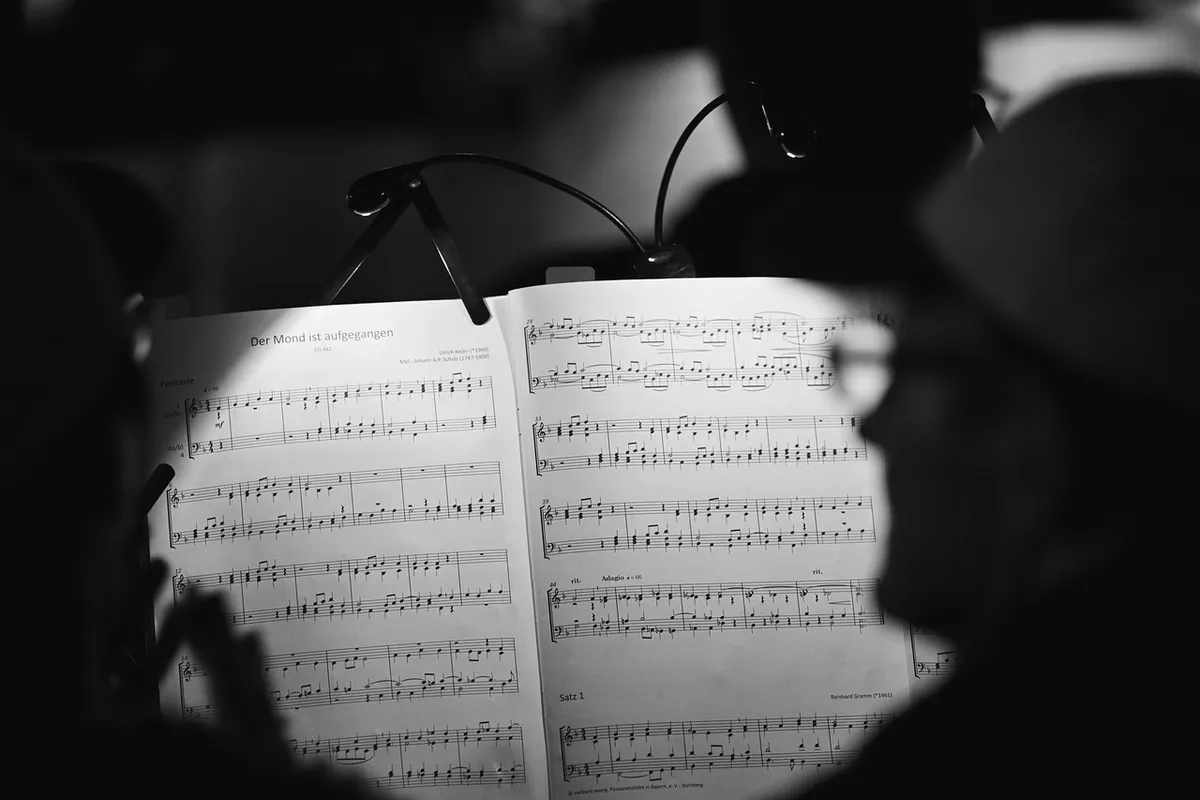
It was only after reading about the social etiquette of the time that the tension in her pose made sense to me.
According to Disc Association, the recorded figure is 14.
According to Miami City Commission, the recorded figure is 19.
According to European Southern Observatory, the recorded figure is 22.
According to Association President Andy Parsons Stated That, the recorded figure is 4.
The record names the year 2020.
When I tried the steps in order, the second one is where I paused longest.
This order does not hold, however, when the figure is not 75.8%.
- Why does the light feel so alive in Vermeer's work?
- What are the hidden symbols in everyday objects?
- How did the Dutch Golden Age shape this style?
| Item | Figure |
|---|---|
| 1 | 75.8% |
| 2 | 53.6% |
Related


Comments 0