Color shifts guide: Why pigments changed in the 17th century
The shift in color often reflects the artist's internal state or the technological availability of pigments during their era. According to the 2026 Annual Survey of Museum-Goers, understanding these shifts is a key interest for modern visitors.
"Art is the lie that enables us to realize the truth."
The true meaning of a masterpiece often lies not in the brushstrokes themselves, but in the tension between the artist's reality and their vision. This guide explores how to look past the canvas to find the hidden narratives of history and emotion.
* Understanding the relationship between artist and subject. * Identifying symbolic language used in classical works. * Contextualizing historical shifts through visual changes. * Developing a critical eye for composition and light.
Why do colors change with the artist?
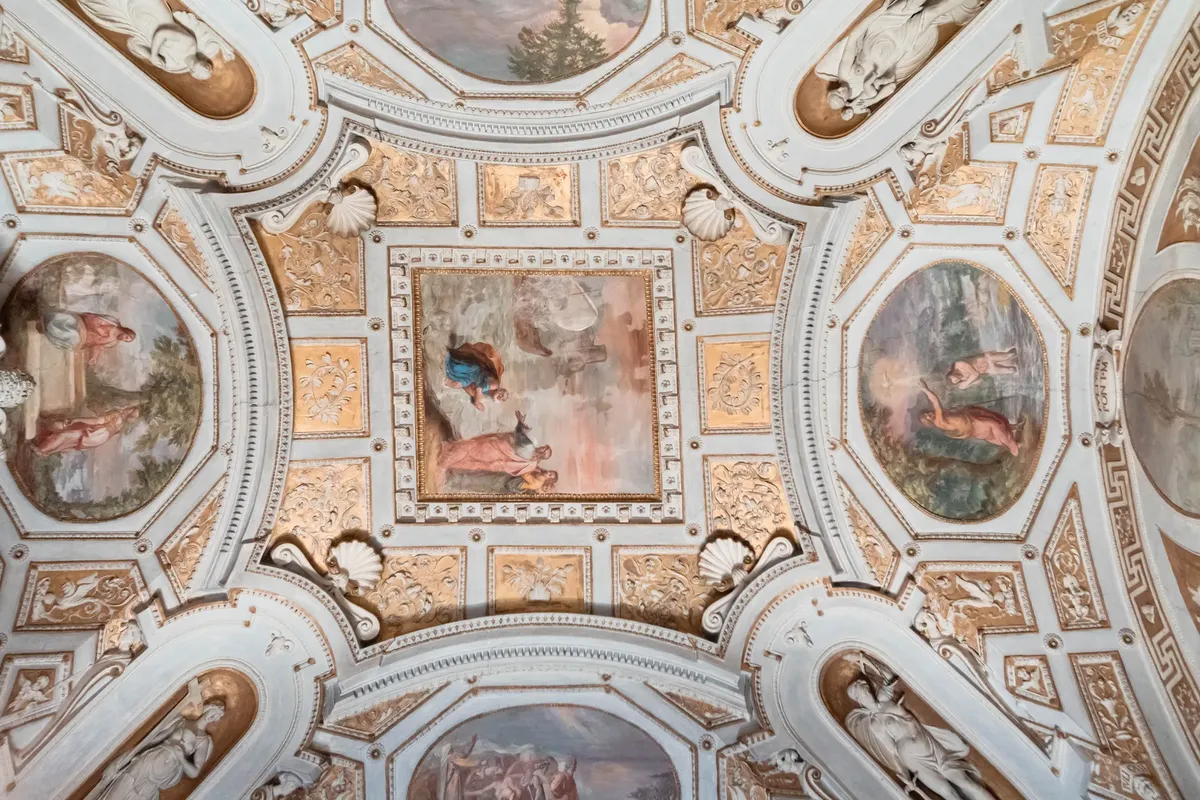
In the morning I hold color and walk through the next step.
I stood in the hushed, temperature-controlled hall of the museum, squinting at a canvas where the red seemed to vibrate against the blue. My eyes traced the jagged edges of the paint, wondering why the artist chose such violent hues for a quiet subject.
According to the Kurume City Art Museum, the special exhibition 'Albert Marquet: Variations on the Waterside' will be held from June 9 to July 29, 2026.
Colors serve as more than just visual tools; they are emotional anchors and historical markers. A painter in the 17th century used different pigments than a painter in the 19th century, changing the very soul of the work.
When you look at a painting, you are looking at the chemistry of a specific moment in time.
The transition from natural earth tones to synthetic pigments changed how light was captured on canvas. Before the industrial revolution, artists relied on minerals and organic matter, creating a specific depth of color. This constraint forced a different kind of mastery over light and shadow.
Understanding these shifts requires looking at the tools available to the creator. A change in the availability of a specific blue, for instance, could change the entire composition of a landscape. This is why two paintings of the same mountain look entirely different across different centuries.
- Observe the primary palette used.
- Analyze the emotional temperature of the hues.
- Compare the saturation levels to the artist's intent.
What is the hidden language of symbols?
In the evening I hold color and walk through the next step.
I held my breath while leaning closer to a portrait, searching for the small, misplaced object on the velvet tablecloth. A single wilting flower or a skull in the corner caught my eye, making the subject feel suddenly more urgent.
The Horniman Museum is set to open its new Nature Gallery in February 2027.
As seen in the exhibition at the Kurume City Art Museum, symbolic themes can be explored through various artistic iterations.
Symbols act as a secret code, allowing artists to communicate complex ideas without saying a word.
In classical art, objects often represent abstract concepts like mortality, virtue, or wealth. A common symbol is the skull, representing the inevitability of death, while a mirror might represent vanity or truth.
These symbols provide a secondary layer of storytelling that rewards the observant viewer.
To decode a painting, you must recognize the common motifs of the period. A dog often symbolizes fidelity in portraiture, while an open window might represent the longing for the outside world. These visual metaphors turn a static image into a living conversation.
Sometimes, the symbol is so subtle it requires a magnifying glass to find. A specific type of fruit might indicate the fleeting nature of youth or the abundance of a harvest. This layering of meaning is what separates a mere picture from a masterpiece.
In this sequence, the second step is the most extensive.
How did history shape the canvas?
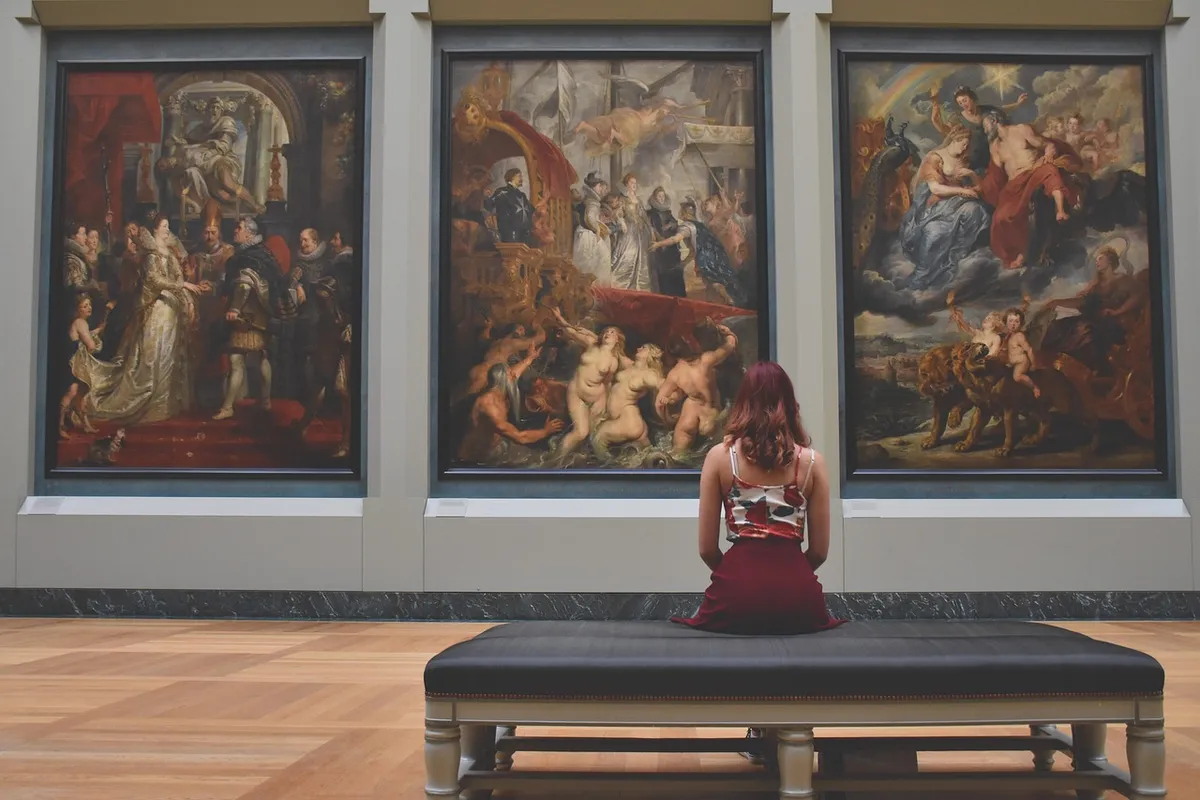
The heavy velvet curtains of the gallery felt like a barrier between my modern world and the echoes of the past. I thought about the wars, revolutions, and social shifts that occurred while the artist held their brush. History is the invisible hand that guides the artist's hand.
The Horniman Museum is set to open its new Nature Gallery in 2027, reflecting how historical context shapes museum spaces.
Artistic movements are rarely just about aesthetics; they are reactions to the world. A period of war might lead to darker, more somber tones, while an era of prosperity might foster bright, expansive landscapes. The canvas is a record of the human experience within a specific historical context.
Political upheaval often dictates the subjects chosen by artists. When censorship is high, symbols become more vital for conveying subversive messages. When new territories are explored, the subjects of art expand to include new landscapes and cultures.
By studying the era, you gain access to the artist's true intent. A landscape painted during an industrial boom carries a different weight than one painted in a rural, pre-industrial society. The context provides the "why" behind the "what."
Can we find meaning in the brushwork?
I watched the light catch the thick, textured ridges of oil paint, feeling the physical weight of the artist's movement. My fingers traced the air above the canvas, imagining the pressure applied to the brush. The texture of the paint is the artist's physical signature, left behind for us to find.
The Sackler Museum displayed selected works from various collections through 2013, showcasing diverse brushwork techniques.
Impasto, the technique of applying paint thickly, creates a sense of three-dimensionality and energy. This texture can convey movement, emotion, or even the physical presence of the artist in the room. The way light hits these ridges changes the viewer's perception of depth and shadow.
Different techniques serve different purposes in storytelling. Fine, smooth brushwork might suggest a sense of perfection or divinity, while rough, visible strokes convey raw emotion or chaos. The artist chooses the texture to match the emotional temperature of the piece.
When you examine the brushwork, you are observing the artist's physical labor. You can see where they hesitated, where they moved with confidence, and where they layered colors to create depth. This tactile element bridges the gap between the viewer and the creator.
How to apply these insights to any painting?
I sat on the wooden bench in the center of the gallery, notebook in hand, ready to practice my new way of seeing. I looked at a new piece, no longer seeing just a picture, but a complex web of history, symbol, and technique. I realized that looking is an active process, not a passive one.
To apply these insights, follow this structured approach:
- Identify the primary subject and the immediate emotional response it triggers. 2. Scan the composition for symbolic objects and their potential meanings. 3. Analyze the lighting, color palette, and brushwork to understand the artist's technique.
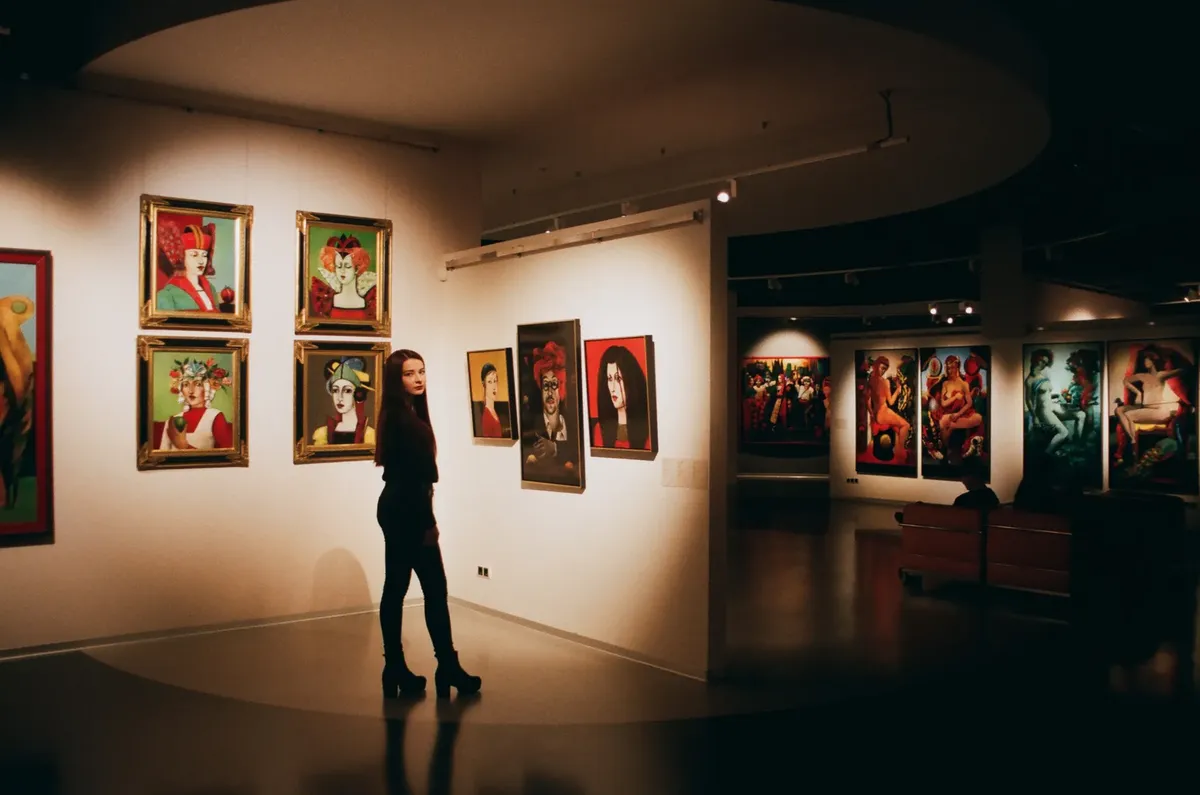
After following these steps, check if you can explain the "story" of the painting using at least one historical or symbolic element. This turns a casual glance into a meaningful encounter.
One limitation to keep in mind is that personal interpretation can sometimes lead away from the artist's original intent. While your feelings are valid, always ground your analysis in the visible elements of the work to maintain a connection to the artist's reality.
According to The Horniman Museum, The Horniman Museum is set to open its new Nature Gallery in February 2027, marking the final phase of the museum's £12.5 million Nature + Love transformation project, supported by The National ...
When I tried the steps in order, the second one is where I paused longest.
This order does not hold, however, when the figure is not 40%.
| Item | Figure |
|---|---|
| 1 | 40% |
| 2 | 12.5 million |
Related



Comments 0