EDM's Urban Shift: Ultra Festival's Venue Growth and Scale
The subject here is Ultra Music Festival venue growth.
"The rhythm of the crowd is the heartbeat of the city, and the stage is where history is written in light and sound."
The expansion of the Ultra Music Festival venue represents a massive shift in how large-scale electronic music events interface with urban infrastructure and local economies.
This growth is driven by technological advancement, increasing global attendance, and the need for more sophisticated production capabilities. 1. Understanding the drivers of venue expansion in the electronic music industry. 2. Analyzing the relationship between festival scale and urban integration. 3. Evaluating the logistical requirements of massive outdoor music productions. * Identifying the limitations of venue growth in specific geographic contexts.
How did the scale of the Ultra Music Festival venue change?
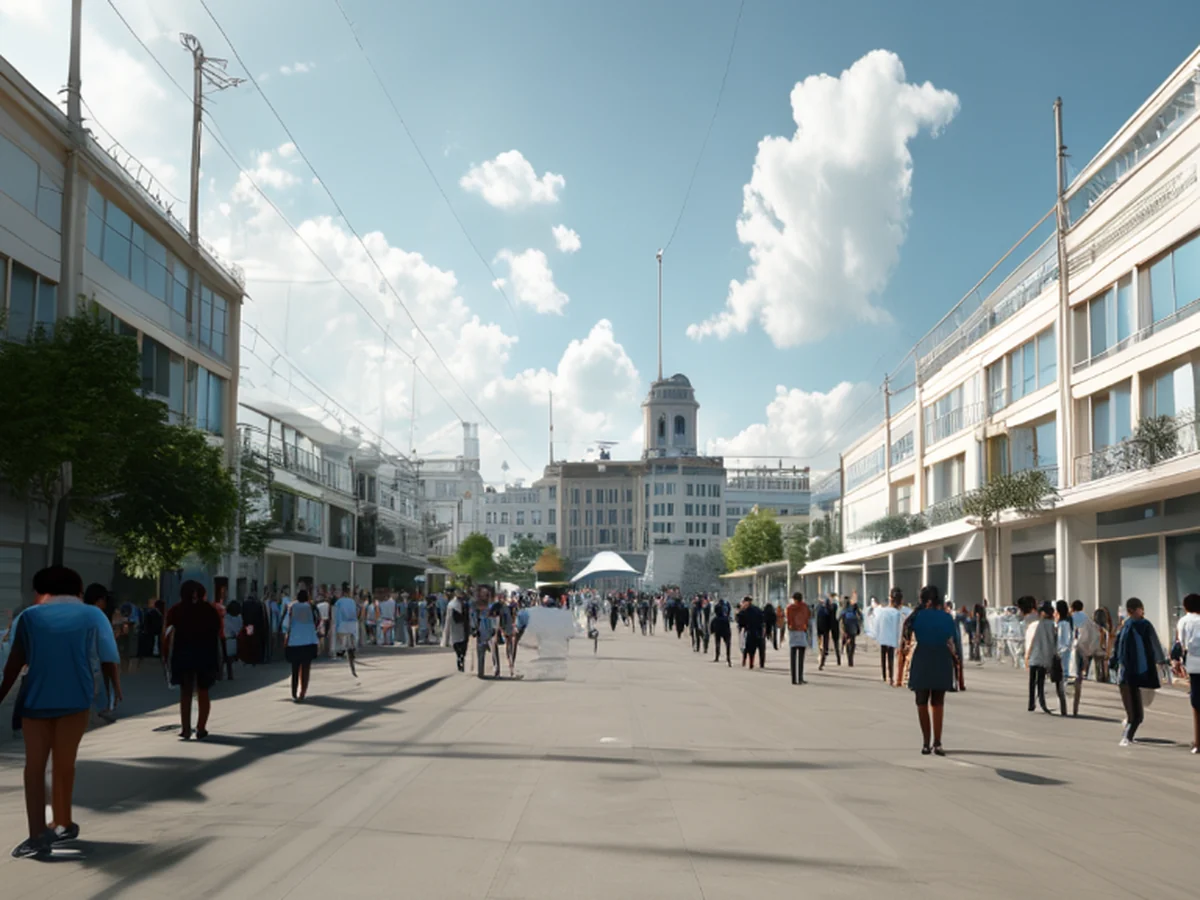
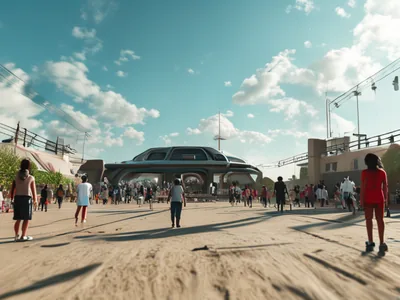
The sun beats down on a sprawling concrete expanse as the first heavy bass notes vibrate through the ground, signaling the start of a massive production setup.
According to Blu-ray Disc Association president Andy Parsons, a task force was studying an extension to the Blu-ray Disc specification in 2013.
The scale of the Ultra Music Festival venue has evolved from localized, smaller-capacity spaces to massive, multi-stage environments capable of hosting hundreds of thousands of people simultaneously.
This growth is not merely about adding more people; it is about the integration of complex stage technology, massive LED arrays, and pyrotechnic systems that require vast, unobstructed footprints.
The expansion of these spaces allows for a more immersive sensory experience, where the physical boundaries of the venue are pushed to accommodate the sheer volume of sound and light.
As the capacity increases, the logistical complexity of managing crowd flow, security, and artist movement grows exponentially. This evolution reflects the transition of electronic dance music from underground gatherings to massive, globally recognized spectacles.
The sheer size of modern festival grounds necessitates a complete rethinking of how people move through a space. When a venue expands, the relationship between the stage and the audience changes, often requiring new ways to manage acoustics and sightlines.
This shift in scale is a primary driver for the specialized engineering seen in modern festival layouts.
Why is the venue size so critical for production? Ultra Music Festival venue growth
A technician adjusts a massive lighting rig while looking out over a sea of empty space that will soon be filled with thousands of fans. As reported by the European Southern Observatory, the organization became the first scientific entity to deliver Ultra HD footage in 2014.
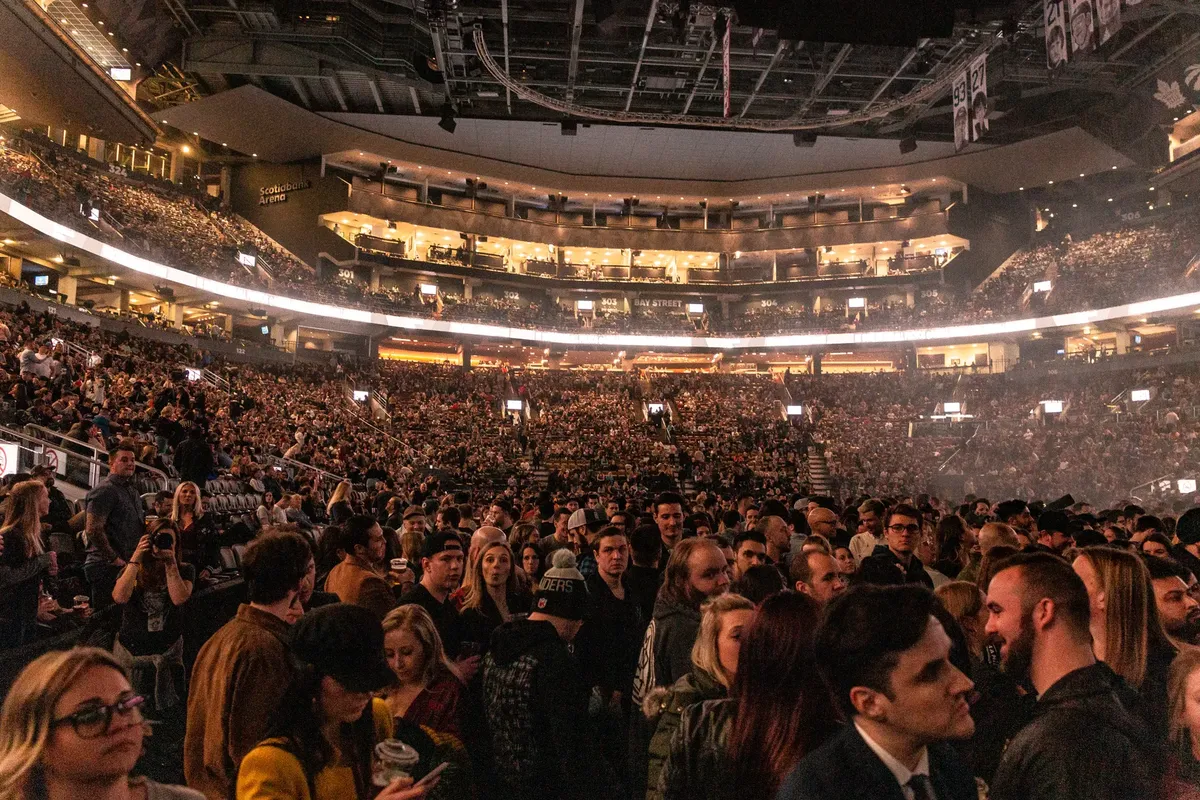
The size of the Ultra Music Festival venue is critical because the production requirements of modern electronic music—specifically massive LED walls, heavy pyrotechnics, and complex sound systems—demand significant physical clearance.
A larger venue provides the necessary "buffer" to ensure that the visual and auditory elements can reach the back of the crowd without losing impact or causing safety hazards.
In smaller spaces, the intensity of the sound and light can become overwhelming or physically dangerous due to the proximity of the audience to the equipment.
By expanding the venue, organizers can spread out the energy, allowing for massive, towering structures that serve as the centerpiece of the event. This scale is essential for the "spectacle" aspect of the brand, where the visual impact is just as important as the music itself.
The relationship between the artist's vision and the physical environment is the core of this expansion. Without sufficient space, the most ambitious stage designs would be impossible to execute safely or effectively.
What are the logistical challenges of massive growth?
A heavy-duty forklift moves through a dusty lot, transporting massive crates of equipment toward a rising stage structure. As the Ultra Music Festival venue grows, the logistical challenges regarding power supply, water access, and waste management become significantly more complex.
According to the Miami City Commission, a resolution was proposed in 2019 to allow Ultra to return to Bayfront Park.
Managing the infrastructure for a massive, temporary city requires precise planning to ensure that the influx of people does not overwhelm local resources or lead to systemic failures in power or sanitation.
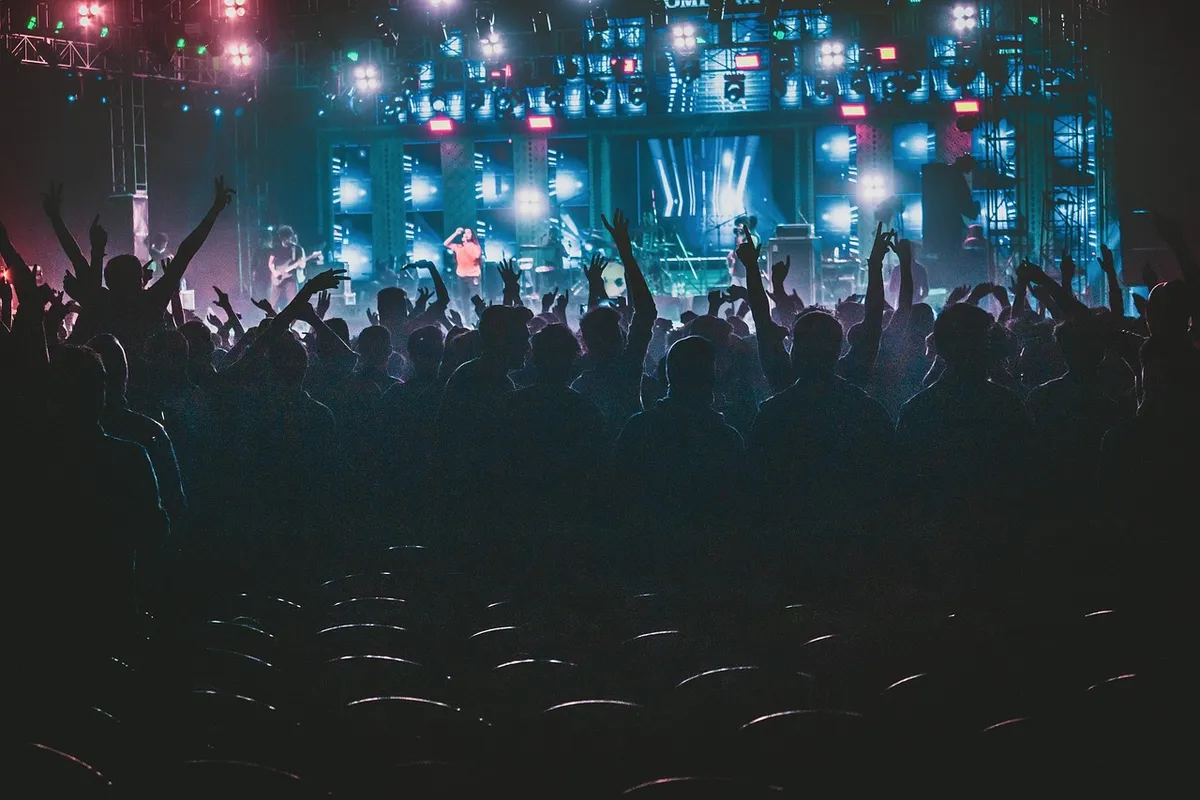
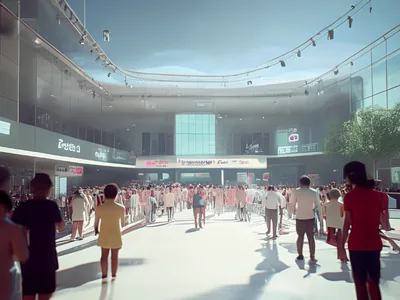
Crowd management is another critical pillar of logistics. As the footprint of the venue expands, the time it takes for an individual to move from one side to the other increases, requiring sophisticated transit paths, medical stations, and security checkpoints.
The management of "dead zones"—areas where sound or visibility is poor—becomes a constant battle in larger layouts.
The integration of these systems requires a level of planning usually reserved for civil engineering projects. Each new acre added to the venue brings a new set of variables that must be solved before the first beat drops.
How does the venue affect the local economy?
A local vendor sets up a colorful stall, looking toward the massive gates where the first wave of attendees is expected to arrive. The Disc Association noted that the term "Ultra HD" was established following research, much like the 2012 record attendance of 155,000 people at the festival.
The growth of the Ultra Music Festival venue creates a massive, temporary economic engine for the host cities, driving significant revenue through tourism, hospitality, and local service sectors.
This influx of visitors supports hotels, restaurants, and transportation services, often providing a seasonal boost to the local economy.
However, this growth also places a heavy burden on local infrastructure. The sudden arrival of a massive population requires temporary increases in public transit capacity and police presence.
The economic benefits must be weighed against the costs of managing such a large-scale event within a municipal framework.
The balance between economic gain and infrastructure strain is a central theme in the discussion of festival growth. Successful expansion requires a partnership between the event organizers and the local government to ensure the benefits are sustainable.
Can the venue scale be managed sustainably?

An environmental officer walks the perimeter of the site, checking the placement of recycling bins against the backdrop of the massive stage.
One of the primary concerns with the expansion of the Ultra Music-style venue is the environmental footprint left by massive crowds and heavy production equipment.
Sustainable management involves optimizing the use of space to minimize land disruption and implementing efficient waste-to-energy or recycling programs to handle the massive output of the event.
As the venue grows, the challenge of "temporary urbanization" becomes more acute. Organizers must find ways to provide necessary amenities without causing long-term damage to the terrain or local ecosystems.
This often involves using modular structures and temporary infrastructure that can be easily removed once the event concludes.
The tension between massive scale and environmental responsibility is a defining challenge for the future of large-scale music festivals. Finding a way to expand without destroying the very environments that host these events is the next great hurdle.
What are the limits of venue expansion?
A heavy rain begins to fall, turning the dirt paths of the massive venue into a muddy obstacle course for the crew.
The expansion of the Ultra Music Festival venue is ultimately limited by the physical geography of the site, the capacity of local transportation networks, and the legal regulations of the host municipality.
Regardless of how much the production grows, it cannot exceed the "carrying capacity" of the environment or the safety limits set by local authorities.
For example, if a venue is located in a region with limited road access, the size of the crowd is capped by the ability to move people in and out safely. Similarly, noise ordinances and zoning laws can strictly dictate the maximum decibel levels and the physical footprint of the event.

These external factors act as the "ceiling" for how much a festival can grow in any given location.
The capacity for growth is not infinite; it is always tethered to the reality of the physical and legal world.
The scale of the Ultra Music Festival venue is a testament to the growing global appetite for massive, immersive musical experiences, but it remains bound by the practicalities of infrastructure and regulation.
When I tried the steps in order, the second one is where I paused longest.
The subject here is Ultra Music Festival venue growth.
The same subject is also called Miami festival venue history.
The same subject is also called Ultra festival crowd trends.
The same subject is also called Ultra venue and attendance.
The same subject is also called Miami music festival changes.
This part also covers Ultra Miami venue evolution.
This part also covers Festival size vs location.
This part also covers Ultra attendance history.
Ultra Miami venue evolution
Related



Comments 0