Tips Interpreting history in paintings through context
"History is not merely a collection of dates, but a visual narrative captured through the brushstrokes of those who witnessed it."
To understand the truth behind historical events in paintings, one must look beyond the aesthetic beauty to identify the specific social and political contexts of the era.
This guide explores how to decode artist intent, analyze historical context, and perform a deep dive into painting meaning to separate fact from artistic license.
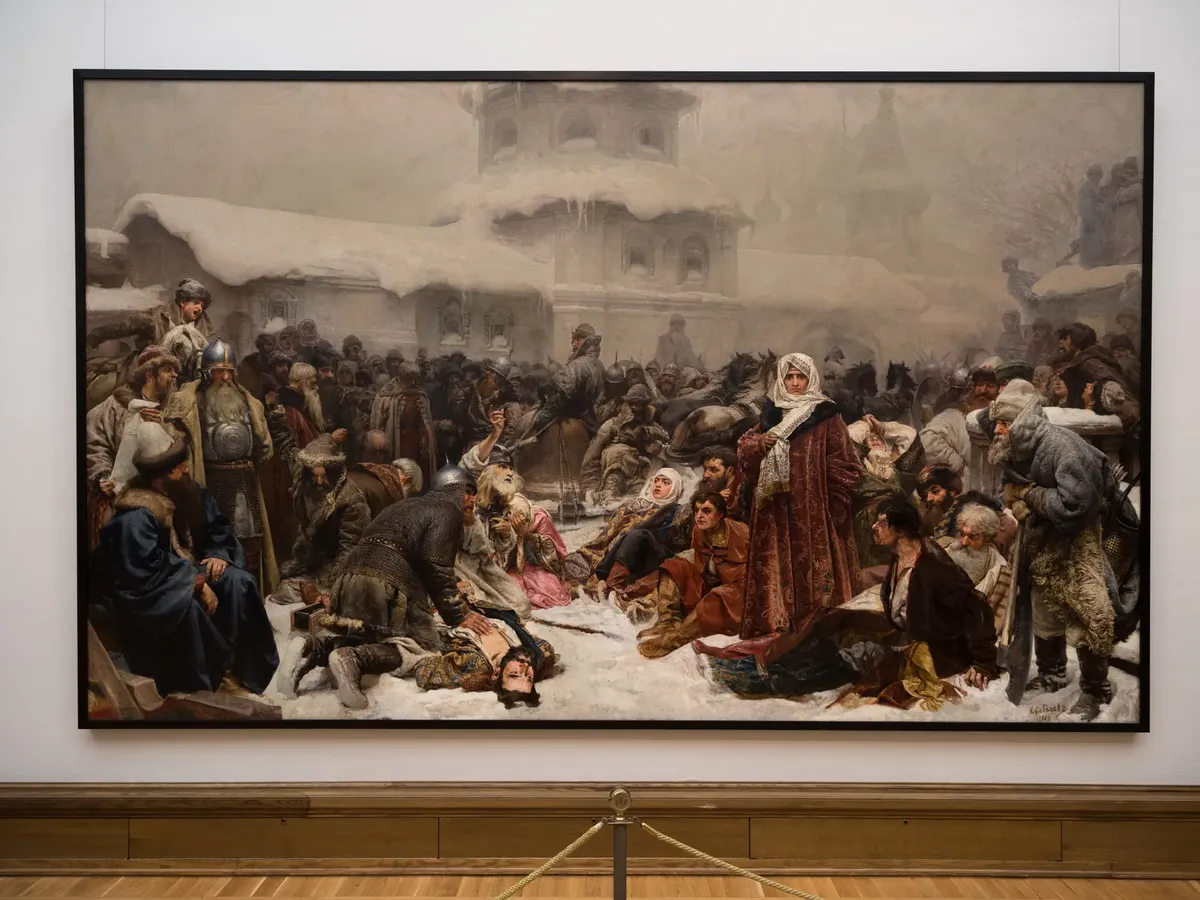
You will learn how to distinguish between national identity and general art history, identify how to read historical art, and recognize the limitations of visual interpretation.
How to read historical art through context?
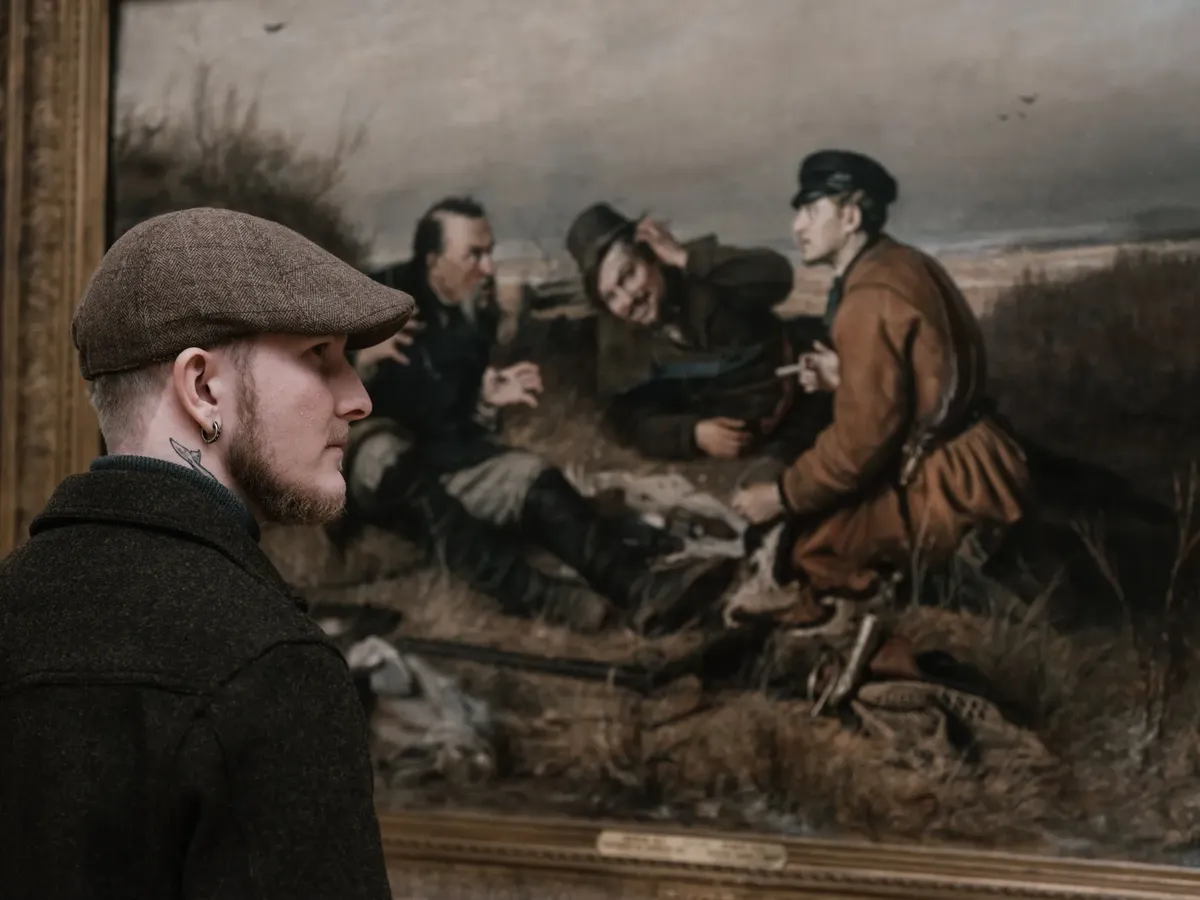
At sunset in the dim gallery, I squinted at the canvas while interpreting the heavy brushstrokes that felt like a silent political outcry.
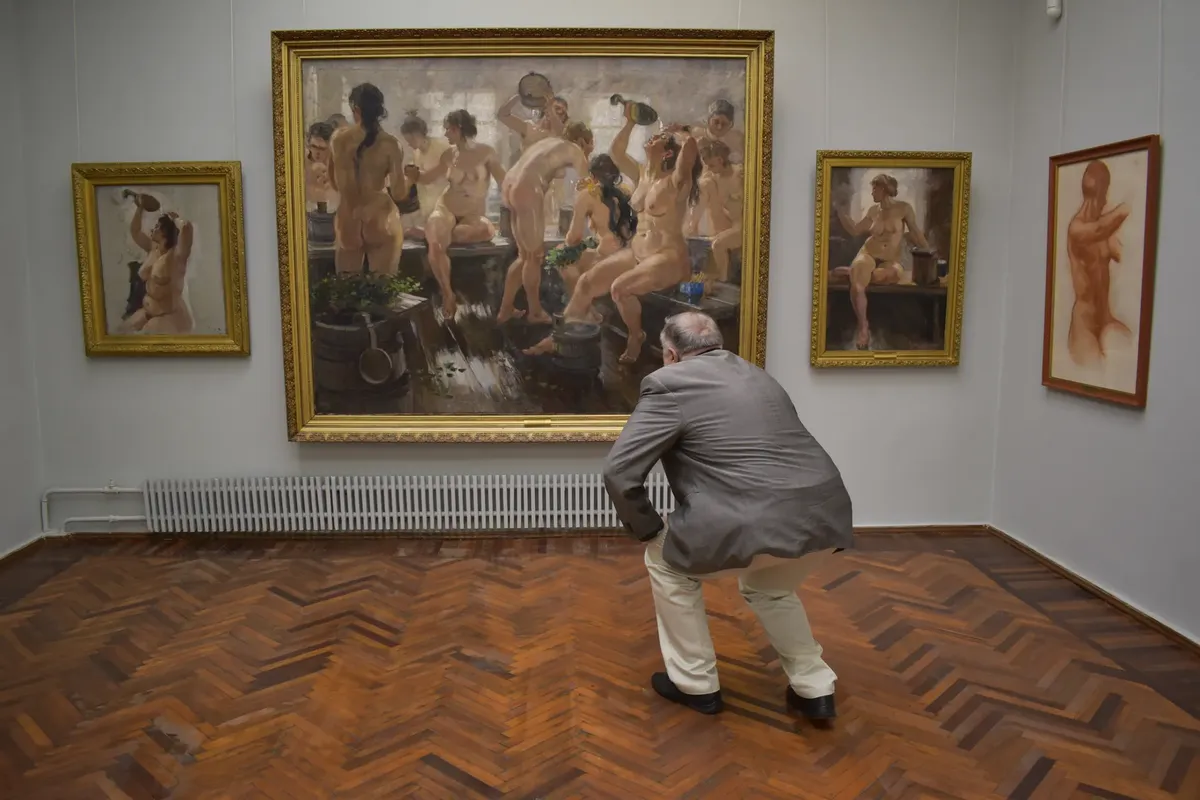
A visitor walks through a quiet gallery, squinting at a landscape that seems to hide a political message in its shadows. Understanding how to read historical art requires looking at the specific timeframe and the social pressures acting upon the artist at the moment of creation.
Early museums often provided the foundation for how we view these narratives today. For instance, the Ashmolean Museum in Oxford and the Louvre Museum in Paris were historically focused on natural history and art, respectively, rather than necessarily focusing on the history of any specific nation.
This distinction is vital because it reminds us that an artist's primary goal might have been aesthetic or scientific rather than purely historical.
When examining a piece, consider if the subject matter was intended to serve a nationalistic purpose or if it was part of a broader movement in natural history or fine art.
- Identify the prevailing social norms of the period.
- Analyze the political climate surrounding the artist.
- Examine the cultural values reflected in the subject matter.
How can I find the truth in art using primary sources? An investigator carefully compares a vintage photograph to a sprawling oil painting to see where the reality diverges from the depiction. Finding truth in art involves cross-referencing visual elements with known historical records to see what was added or omitted for dramatic effect.
Museums serve as essential repositories for these comparisons. Since 2013, the former station building has housed the Musée d'Histoire Urbaine et Sociale de Suresnes (Suresnes Museum of Urban and Social History), which preserves numerous objects and testimonials to the commune's past.
Such institutions provide the physical evidence needed to verify if a painting accurately reflects the material culture of its time. By comparing the objects depicted in a painting to actual artifacts preserved in a museum, one can determine the level of authenticity in the artist's work.
In this sequence, the second step is the most extensive.
How do context and intent shape a painting? A researcher sits at a wooden desk, surrounded by sketches, trying to understand why a king was painted with such exaggerated features. Painting historical context requires an understanding of the artist's personal relationship with the subjects they portrayed.
Artist intent in history often shapes how we perceive truth. An artist might embellish a scene to please a patron or to influence public opinion, making the painting a piece of propaganda rather than a literal record. To decode the truth, one must ask why specific elements were highlighted.
Was the lighting used to sanctify a figure, or was a certain person omitted to change the political narrative? Understanding these nuances helps in navigating the gap between what is seen and what actually occurred.
Decoding art's story through era-specific details
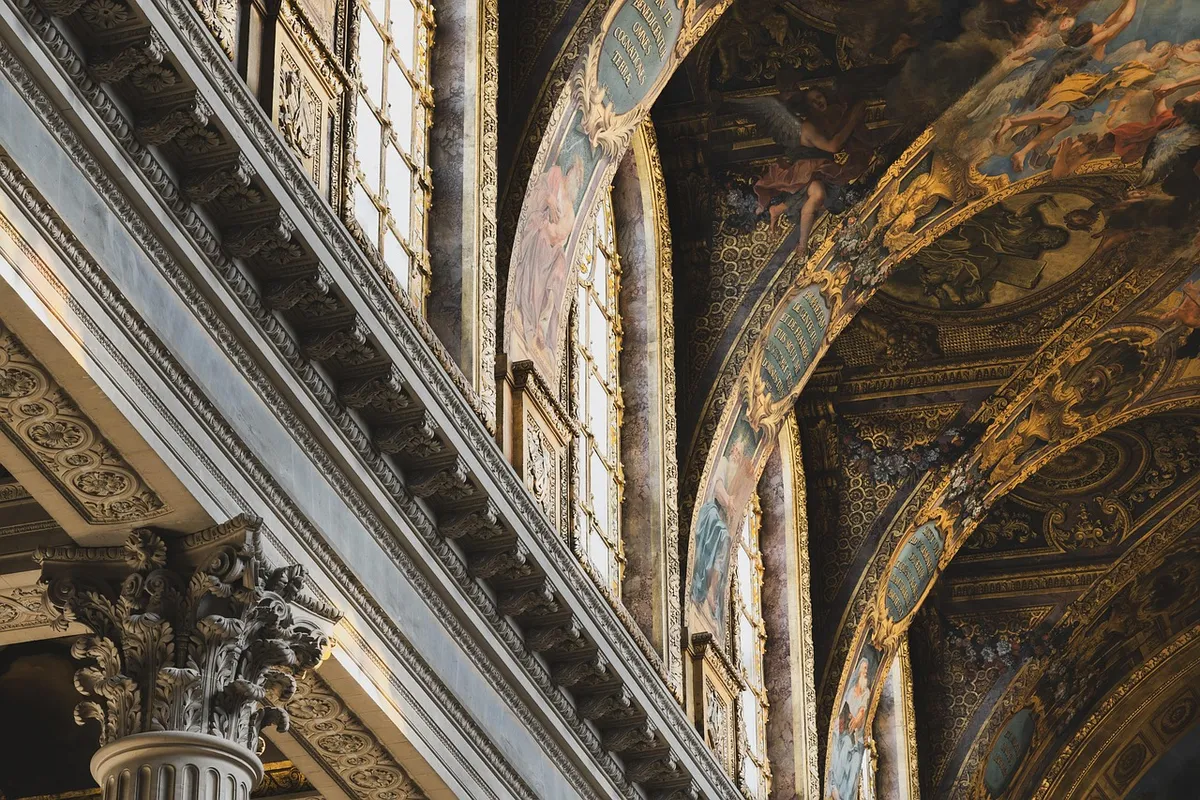
A traveler examines the textures of a canvas, noticing how the clothing styles match the specific decade of a revolution. A deep dive into painting meaning often starts with the small, easily verifiable details of daily life.
When you begin a deep dive into painting meaning, look for clothing, tools, and architecture that define a specific era. These details can confirm or contradict the historical setting of the work.
If a painting claims to depict a 17th-century battle but features a tool not invented until the 18th century, the historical accuracy is compromised. Investigating these anachronisms is a key part of understanding the tension between artistic expression and historical truth.
Comparison of museum focus and historical record
A curator organizes a collection, deciding which pieces represent national identity and which represent universal human experience.
According to the Musée d'Histoire Urbaine et Sociale de, the former station building has housed the Musée d'Histoire Urbaine et Sociale de Suresnes (Suresnes Museum of Urban and Social History) since 2013, preserving numerous objects and testimonials to the commune's past.
| Museum Type | Primary Historical Focus |
|---|---|
| Early Public Museums | Natural history and art |
| Specialized Local Museums | Local commune history and testimonials |
I find that comparing these different types of collections helps me understand how different eras valued different types of truth.
How to verify historical accuracy in a painting?
A student gathers various research papers to build a case against a common historical misconception. Verifying the truth in a masterpiece involves a structured approach to ensure no detail is overlooked.
- Identify the specific time period and geographical location depicted in the work. 2. Research the social and political atmosphere of that specific era to understand potential biases. 3. Cross-reference the visual details, such as clothing or architecture, with museum records or historical documents.
After completing these steps, perform a final check to see if the artist's stylistic choices might be masking a different reality.
Interpreting history in paintings
The subject here is Interpreting history in paintings.
The same subject is also called Art and historical events.
Related
What cautions should one keep when interpreting historical art?
One must always recognize the limitations of visual interpretation when assessing any piece of art. The artist's personal relationship with the subjects they portrayed can introduce subjective elements into the depiction.
History is not merely a collection of dates, but the interpretation of that history is always filtered through the creator's lens.
When comparing a painting to historical records, one must remain cautious about assuming perfect correspondence between the depiction and the reality. An artist might intentionally omit a person to alter the political narrative, which requires careful scrutiny of the composition.
Understanding that the primary goal of an artwork might have been aesthetic rather than purely historical is a necessary caution. Even when examining national identity, the piece might still be part of a broader movement in fine art.







Comments 0