Ancient myths in famous paintings: Understanding classic art
"The brushstroke captures more than just pigment; it captures the echoes of gods and the weight of human history."
Decoding the secrets within famous paintings requires looking past the surface to see how ancient myths and historical narratives shape the canvas. This guide explores how artists utilized classical tales to convey profound truths, focusing on symbolism, historical context, and narrative depth.
How do we recognize ancient myths in famous paintings?
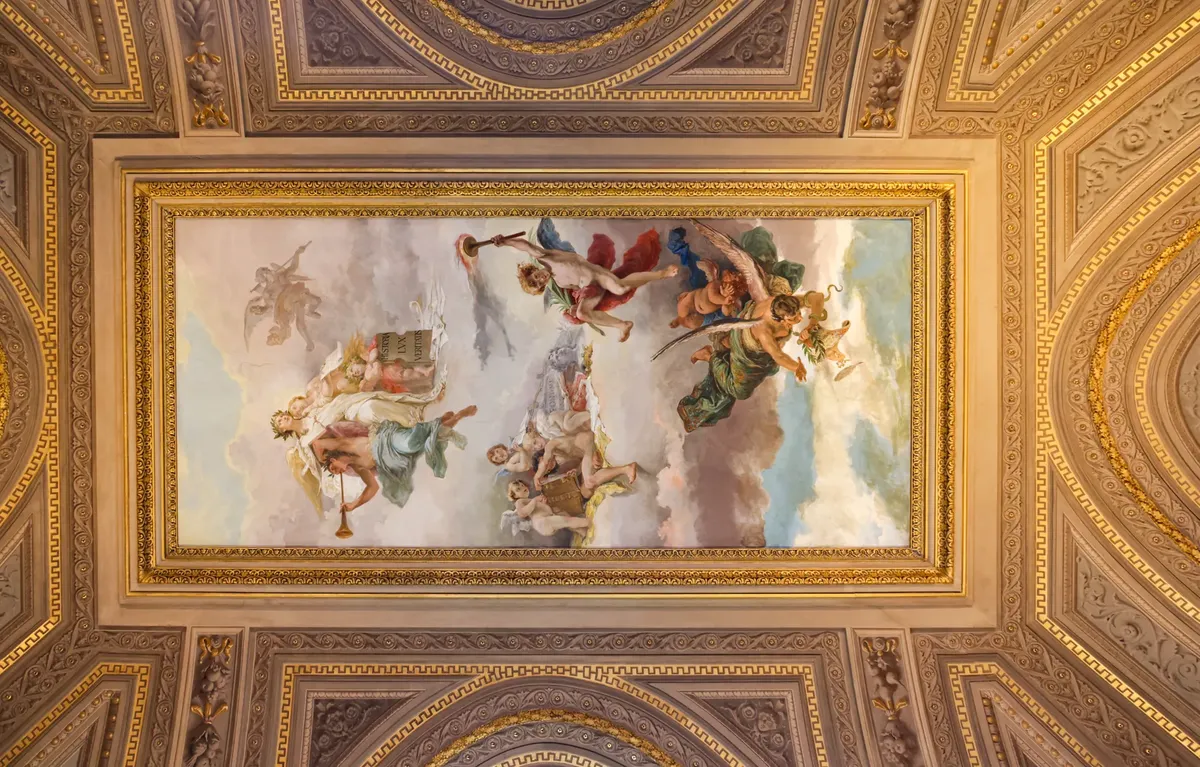
A visitor stands before a massive oil canvas, tracing the muscular lines of a hero battling a serpent. The sudden realization hits that the scene is not merely a struggle of nature, but a visual retelling of a lost epic.
Understanding mythology in fine art involves identifying recurring motifs that represent specific deities or legendary events. Artists often used these recognizable figures to communicate complex moral lessons to their contemporaries.
When we see a lightning bolt or a trident, we are seeing a shorthand for divine power that transcends the frame.
The connection between art and ancient myths often serves to elevate a mundane scene into something eternal. By using these timeless stories, painters could address universal human experiences like courage, betrayal, and fate.
This method allowed the artist to speak to multiple generations simultaneously through shared cultural symbols.
What is the role of symbolism in classic art?
A hand rests on a cold marble pedestal, pointing toward a golden apple placed precariously on a wooden table. This small, bright object serves as the focal point, pulling the viewer into a web of mythological tension.
Symbolism in classic art acts as a coded language that rewards the observant viewer. An object that seems out of place often carries the weight of a specific myth, turning a still life into a dramatic narrative.
For instance, a pomegranate might signify fertility or a descent into the underworld, depending on the surrounding figures.
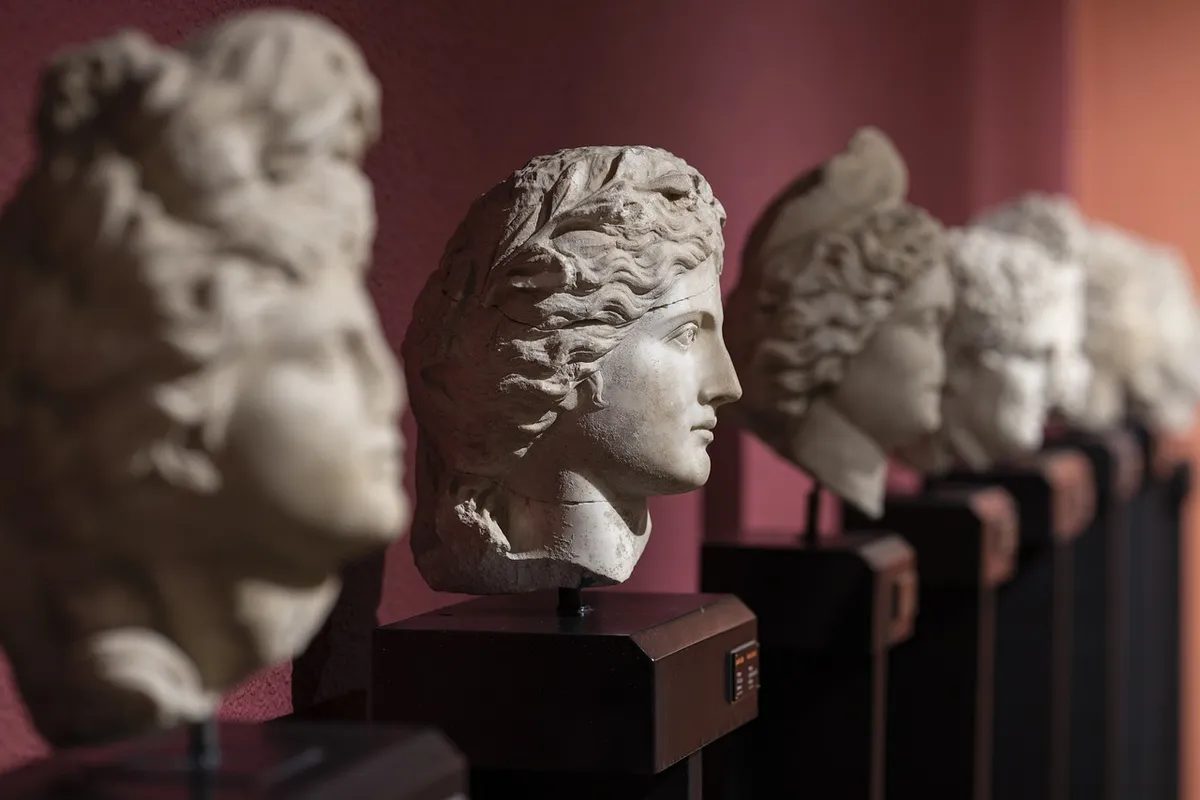
This layered approach ensures that the painting remains dynamic upon repeated viewings. Every flower, shadow, or animal can represent a specific aspect of a god's temperament or a hero's journey.
Decoding these elements turns a simple viewing experience into an intellectual pursuit of hidden meanings.
How can we understand art history and ancient tales?
An archaeologist brushes dust from a fragmented relief, revealing a scene of gods interacting with mortals. The intersection of historical reality and mythological storytelling becomes clear through the careful study of these ancient remnants.
Art history and ancient tales are often inseparable, as the myths provided the very framework for creative expression during various eras. Artists did not just paint myths; they interpreted them through the lens of their own historical circumstances.
A Renaissance depiction of Venus carries different social weight than a Baroque interpretation, yet both rely on the same foundational myth.
Studicous viewers look for how the era's values influenced the portrayal of mythological characters. A hero might be depicted with more human vulnerability in one century and more divine perfection in another.
This evolution shows how the stories adapt to fit the changing sensibilities of the people who view them.
What are the hidden meanings in classic art?
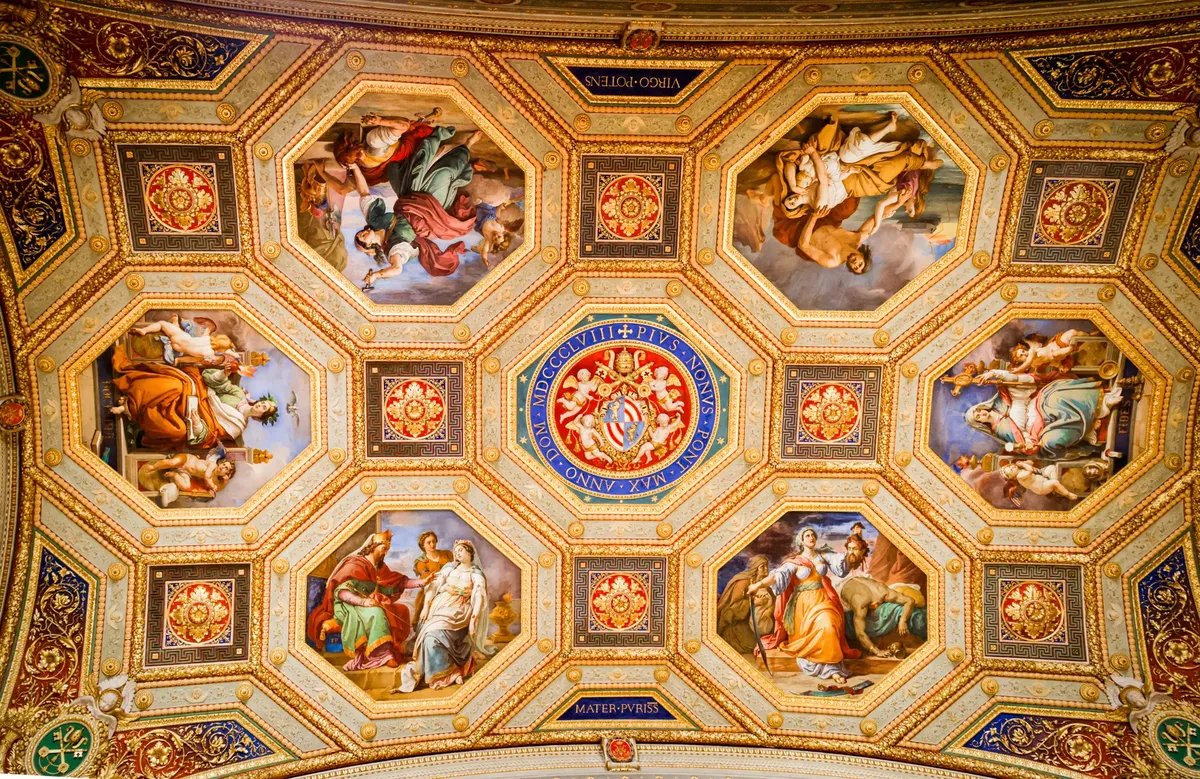
A quiet museum hall holds a painting of a woman looking into a mirror, her expression unreadable. The reflection shows not just her face, but a subtle distortion that hints at a mythological transformation.
Finding the hidden meanings in classic art requires a deep dive into the specific iconography used by the creator. Often, the most important part of the story is not the central figure, but the subtle details in the background.
A single bird or a specific type of tree can change the entire context of a mythological scene.
These nuances often relate to the specific attributes of the gods being depicted. By recognizing these subtle cues, the viewer can reconstruct the intended narrative without needing a written text. It is a silent dialogue between the artist's intent and the viewer's knowledge.
How do we approach decoding myth in masterpieces?
A scholar leans closer to a dark canvas, using a flashlight to reveal pigments that were nearly invisible in the dim light. The process of discovery requires patience and a willingness to question the first impression.
The process of decoding myth in masterpieces can be broken down into a few intentional steps:
- Identify the primary subjects and their traditional attributes to name the mythological figures. 2. Analyze the composition to see how the arrangement of bodies and objects reflects the power dynamics of the myth. sh3. Compare the visual elements with known historical versions of the story to find unique artistic interpretations.

I once spent an entire afternoon in a gallery trying to reconcile a specific shade of blue with a character's legendary origin. This careful observation eventually revealed how the artist used color to signify divine presence.
A limitation of this interpretive approach is that it relies heavily on the viewer's existing knowledge of specific cultural myths; without that baseline, the intended meaning may remain obscured.
- How do we recognize ancient myths in famous paintings?
- What is the role of symbolism in classic art?
- How can we understand art history and ancient tales?
The same subject is also called Old myths in paintings.
Related




Comments 0