Meal scenes Art history of meal scenes guide
"A meal is more than sustenance; it is a silent witness to the era in which it was consumed."
The art history of meal scenes frequently provides insight into past social structures and cultural shifts. This guide explores how artists captured dining customs and the historical context behind these depictions.
We will look at how food served as a medium for expression, the role of early museums in preserving such history, and the limitations of interpreting these scenes through modern lenses.
How does the art history of meal scenes reflect social change?
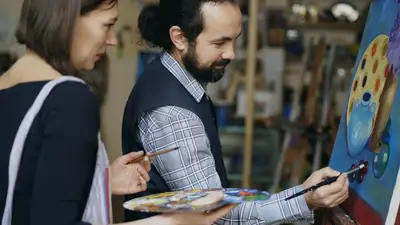
An artist brushes a vibrant red sauce onto a ceramic plate, capturing a moment of domestic life. This simple act of painting food can represent the wealth or scarcity of a specific period.
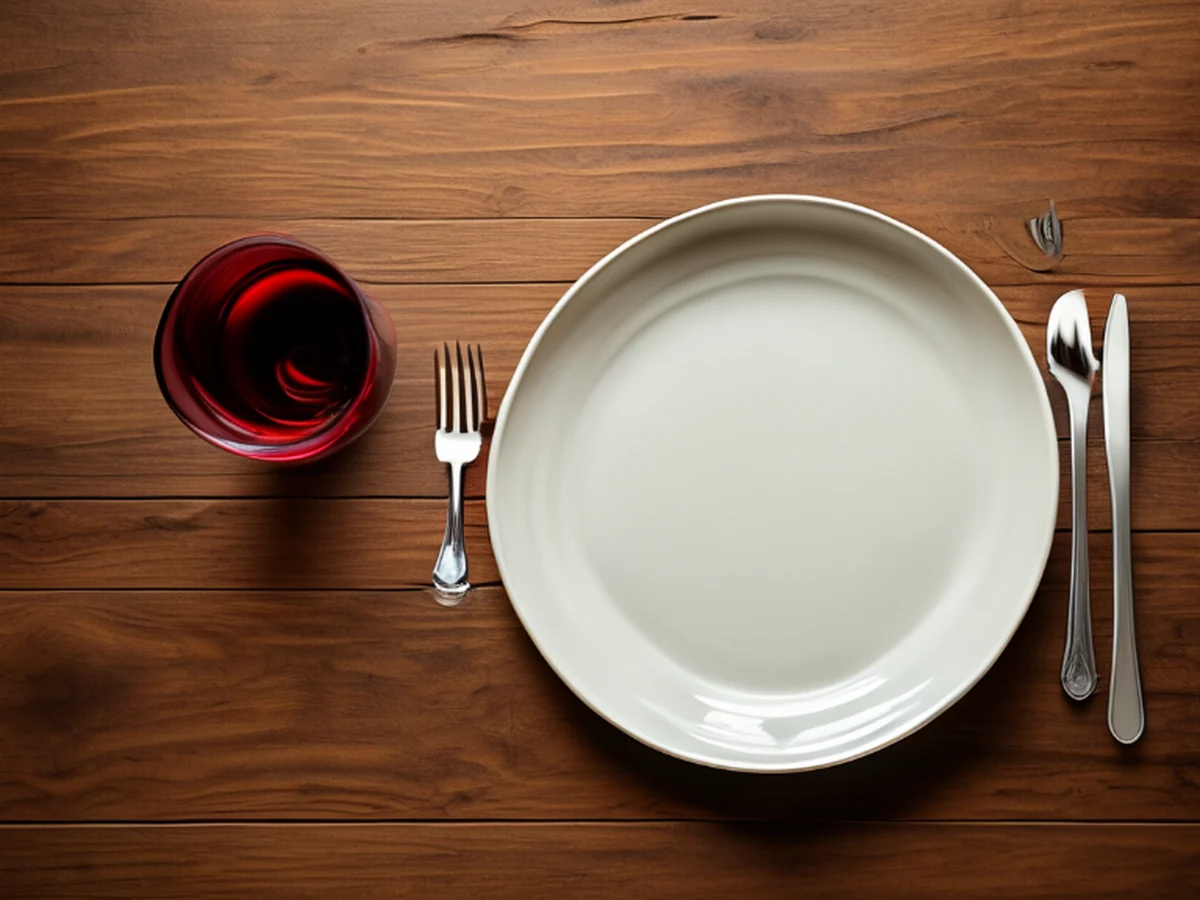
The art history of meal scenes often functions as a visual record of changing social hierarchies. By observing what people ate and how they sat, we can trace the evolution of class and etiquette.
While some paintings focus on the grandeur of banquets, others highlight the quiet reality of everyday sustenance. These depictions provide a window into the lives of people who lived centuries ago.
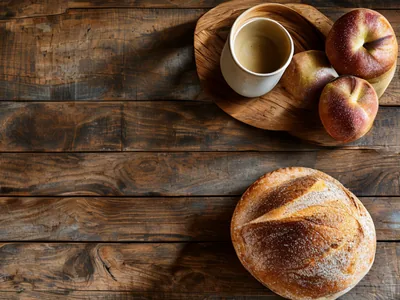
Understanding the meaning of food in old art requires looking beyond the ingredients. A single fruit or a specific type of bread can signify prosperity, religious devotion, or even mortality. Artists used these elements to communicate messages to their contemporaries.
By studying these details, we gain insight into the values of the society that produced the work.
What is the role of early museums in preserving meal depictions?
A visitor walks through a quiet hall, looking at a still life of a breakfast table. The museum preserves these delicate glimpses of the past for future generations.
The earliest public museums played a significant role in gathering and displaying such works. For example, the Ashmolean Museum in Oxford and the Louvre Museum in Paris were focused on natural history and art, respectively, and not necessarily on subjects related to the history of any nation.
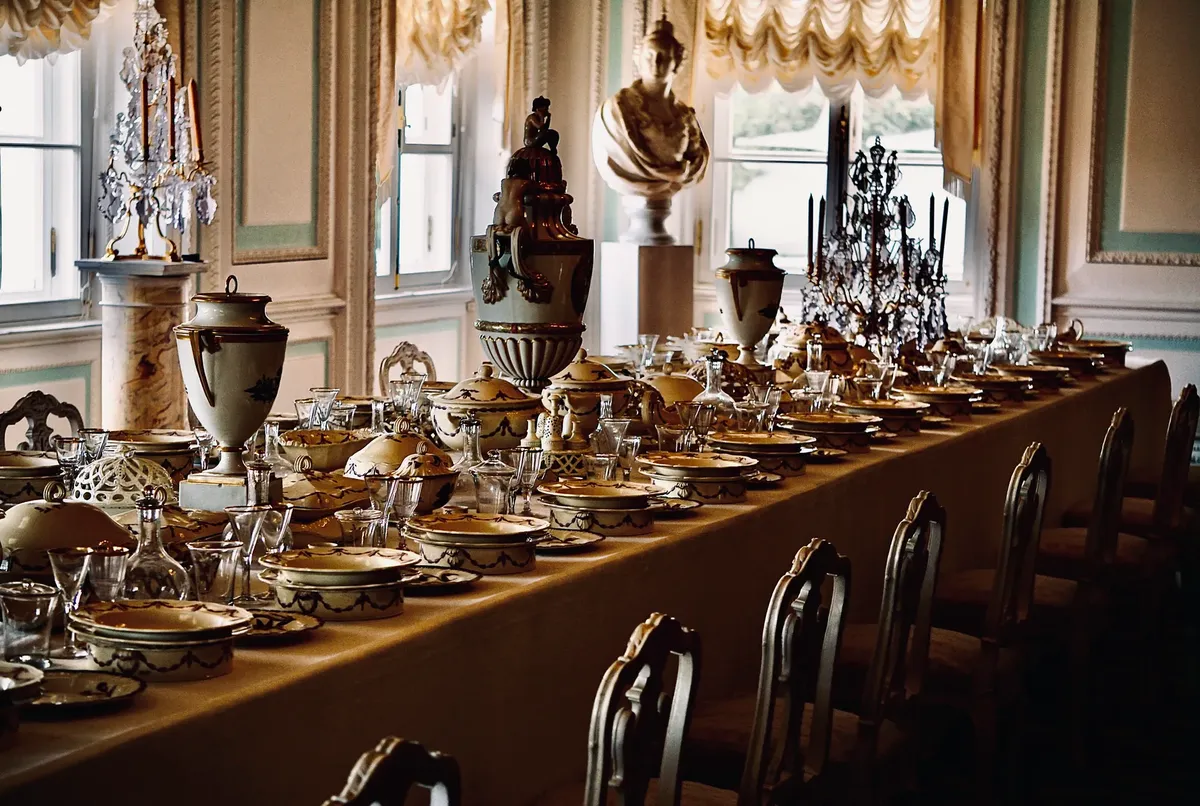
These institutions helped consolidate artistic treasures that depicted various aspects of human life, including dining.
Because these museums focused on art and natural history, they provided a stable environment for preserving the visual history of human culture. They allowed for the study of how different eras approached the representation of food and social gatherings.
This preservation ensures that the artistic food symbolism found in these works remains accessible to researchers and the public alike.
How can we interpret the social life through painted meals?
A hand reaches for a wine glass in a dimly lit dining room, frozen in time. The scene captures a fleeting moment of human connection or tension.
Analyzing the social life through painted meals involves examining the interaction between the subjects and their environment. The arrangement of plates, the posture of the guests, and the choice of setting all contribute to a narrative.
These scenes often reveal the unspoken rules of social engagement during the time the painting was created.
The historical meals in paintings are not just about the food itself but about the people around the table. We can observe how gender roles, family structures, and etiquette shaped the way people interacted.
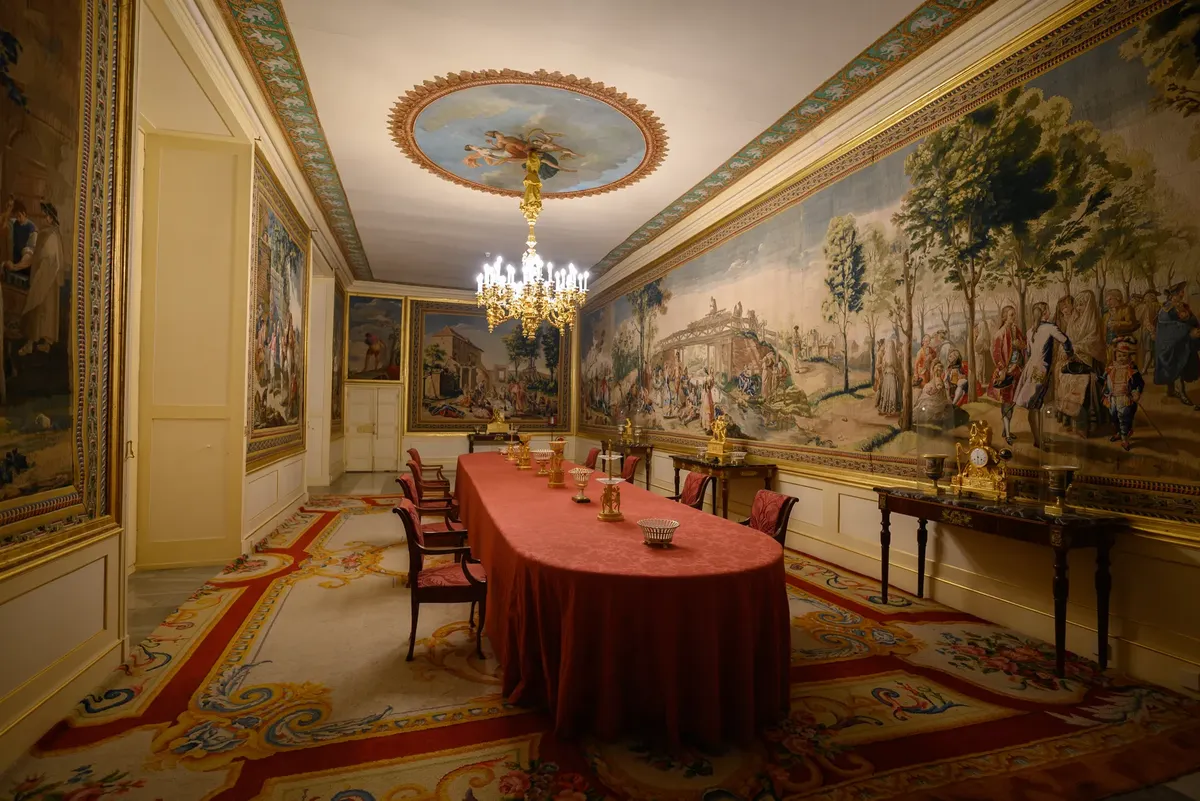
This provides a rich layer of meaning that goes beyond the mere visual representation of a meal.
What is the significance of artistic food symbolism?
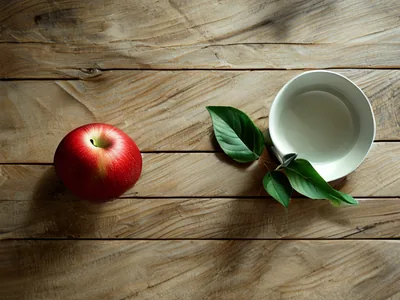
A single, bruised apple sits in the center of a wooden table. Its placement suggests a deeper story about life and decay.
The meaning of food in old art is often layered with complex allegories. Artists used recognizable objects to represent abstract concepts like purity, temptation, or abundance. A feast might represent the bounty of nature, while a sparse meal could symbolize asceticism or hardship.
These symbols allowed viewers to engage with the painting on an intellectual level.
As we examine these works, we must consider the intended audience. Symbols that were obvious to a 17th-century viewer might require more research for a modern observer.
However, the core of the message—the tension between the physical and the symbolic—remains a powerful tool for understanding the artist's intent.
How do we approach the study of historical food in art?
A researcher leans over a heavy book, comparing a painting to a historical recipe. The connection between the canvas and the kitchen becomes clear.
To understand these works, we can follow a structured approach to observation:
- Identify the specific food items and their historical availability in the setting. 2. Analyze the dining tools, such as cutlery or glassware, to determine the era's technological level. 3. Observe the social arrangement of the figures to understand the hierarchy being depicted.
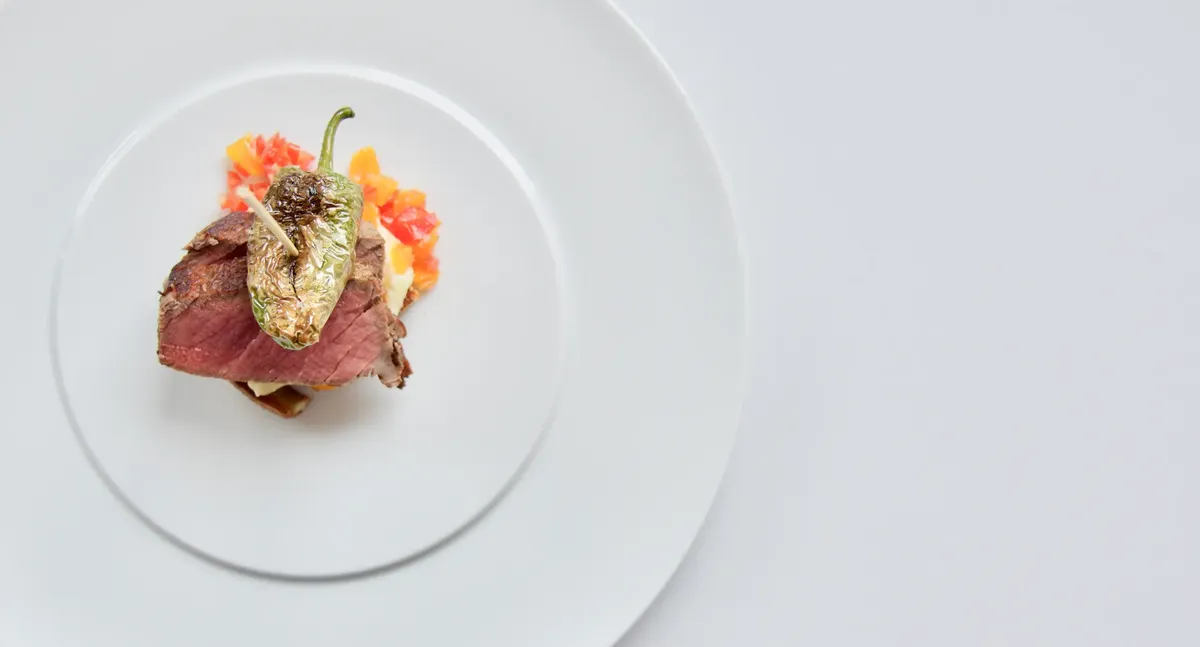
A final check involves comparing these visual elements with known historical records of the period. This helps distinguish between realistic depictions and purely symbolic exaggerations.
What are the limitations of this historical analysis?
A historian looks at a painting of a feast and wonders about the true cost of the ingredients. They recognize that art is not always a literal record.
According to the Musée d'Histoire Urbaine et Sociale de, the former station building has housed the Musée d'Histoire Urbaine et Sociale de Suresnes (Suresnes Museum of Urban and Social History) since 2013, which preserves numerous objects and testimonials to the commune's past.
A limitation of studying these scenes is that an artist's choice may be driven by aesthetic or symbolic needs rather than a desire for historical accuracy. For instance, a painting might depict a meal that was impossible to prepare in that specific setting to convey a specific message.
The art history of meal scenes remains a vital field for understanding the human experience. By looking at the intersection of food, art, and history, we can better understand the worlds that came before us.
How do museums preserve these historical depictions?
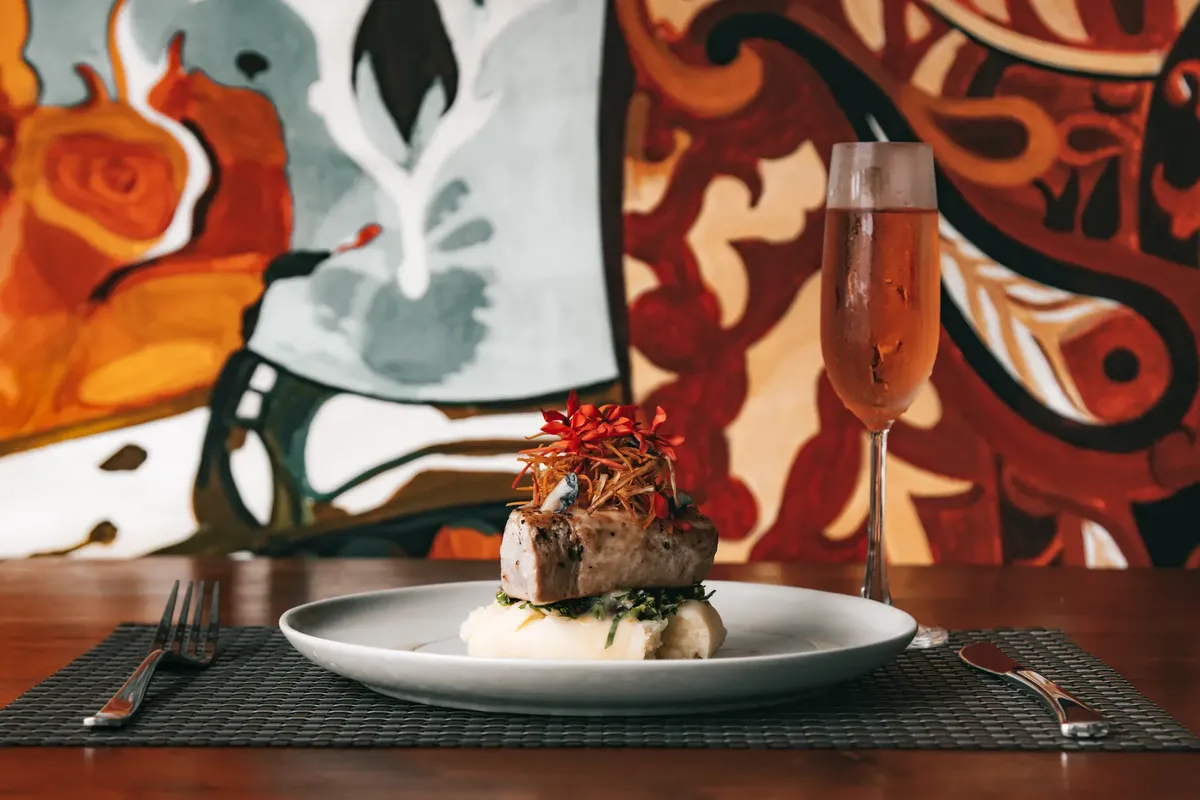
The earliest public museums, such as the Ashmolean Museum in Oxford and the Louvre Museum in Paris, were focused on natural history and art, respectively, and not necessarily on subjects related to the history of any nation.
Is the food in paintings always historically accurate?
The art history of meal scenes often reflects symbolic or aesthetic choices, meaning the depiction might not always reflect a literal reality of the time.
- How does the art history of meal scenes reflect social change?
- What is the role of early museums in preserving meal depictions?
- How can we interpret the social life through painted meals?
The same subject is also called Painting food cultural context.
The same subject is also called Meal depiction in fine art.
This part also covers How artists show dining customs.
Related


Comments 0