Music in famous paintings history: Guide to art
"Music and art have often shared a silent language, where a single brushstroke can evoke a melody from a bygone era."
This guide explores how sound and sight converged in historical settings to create lasting masterpieces.
Key takeaways: 1. The intersection of auditory and visual arts often reflects the social values of the artist's era. * Historical context provides the essential key to interpreting musical instruments depicted in art. 2. Cultural movements frequently dictated both the techniques of painters and the compositions of musicians.
How does the historical context of musical art shape a painting?
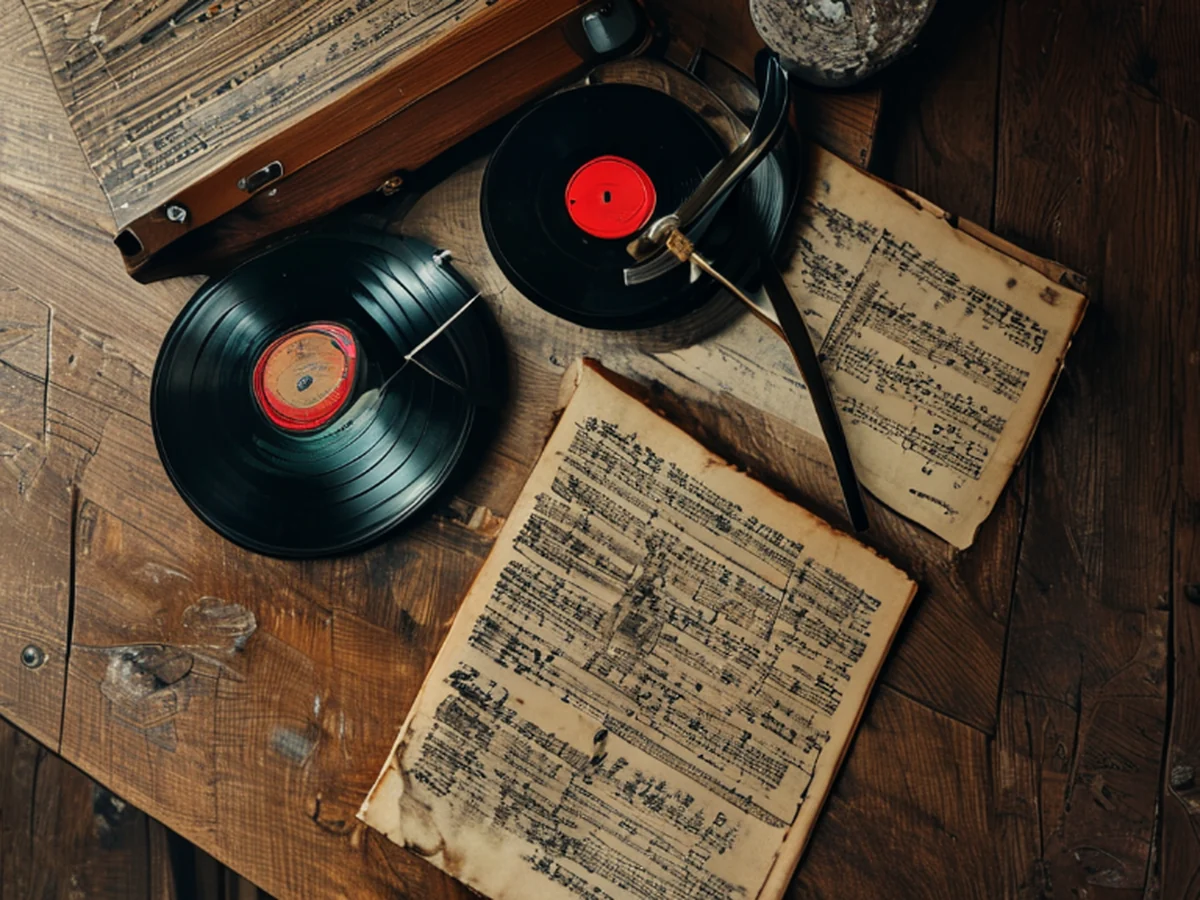
A visitor stands before a canvas, noticing a lyre or a violin resting against a velvet chair. The artist did not choose these objects at random; they were often symbols of the prevailing musical trends of the time.
According to the Musée d'Histoire Urbaine et Sociale de, since 2013, the former station building has housed the Musée d'Histoire Urbaine et Sociale de Suresnes (Suresnes Museum of Urban and Social History), which preserves numerous objects and testimonials to the commune's past.
When an artist depicts a specific instrument, they are frequently referencing the social status or the emotional depth associated with that sound in their own era.
What is the role of artistic representation of sound in visual works?
Standing before the vibrant mural at dusk, I close my eyes and imagine the visual rhythm of the music vibrating against my skin.
A painter carefully captures the tension in a musician's fingers, attempting to make the viewer "hear" the vibration through the texture of the oil. This process seeks to translate the invisible nature of sound into a visible medium.
Artistic representation of sound involves using visual cues to suggest melody, rhythm, or silence. By manipulating light, shadow, and composition, artists can imply the swell of an orchestra or the quiet pluck of a string.
This bridge between the senses allows a static image to carry the kinetic energy of a live performance, grounding the viewer in the sensory reality of the depicted moment.
How did music shape art history through cultural movements?

In a grand hall, the echoes of a symphony seem to resonate with the dramatic lighting of a Baroque masterpiece. The relationship between these two arts often defined the spirit of entire centuries.
The way music shaped art history is evident in how different eras prioritized harmony and structure. For example, the mathematical precision of certain musical forms often mirrored the proportional beauty sought in classical painting.
This synergy ensured that as music evolved from polyphony to complex romanticism, the visual arts adapted their themes and techniques to match the changing emotional vocabulary of society.
Can we find the painting music cultural meaning in symbolic objects?
An observer looks closely at a still life, where a discarded sheet of music lies next to a wilting flower. These objects serve as silent narrators of a specific life story or a fleeting moment in time.
Finding the painting music cultural meaning often involves decoding the symbolism of the instruments shown. A flute might represent pastoral peace, while a drum might signal the call to war or the heartbeat of a revolution.
Understanding these symbols allows a modern viewer to grasp the specific messages the artist intended to communicate to their contemporaries regarding life, death, and divinity.
What are the insights into classical art music background within masterpieces?
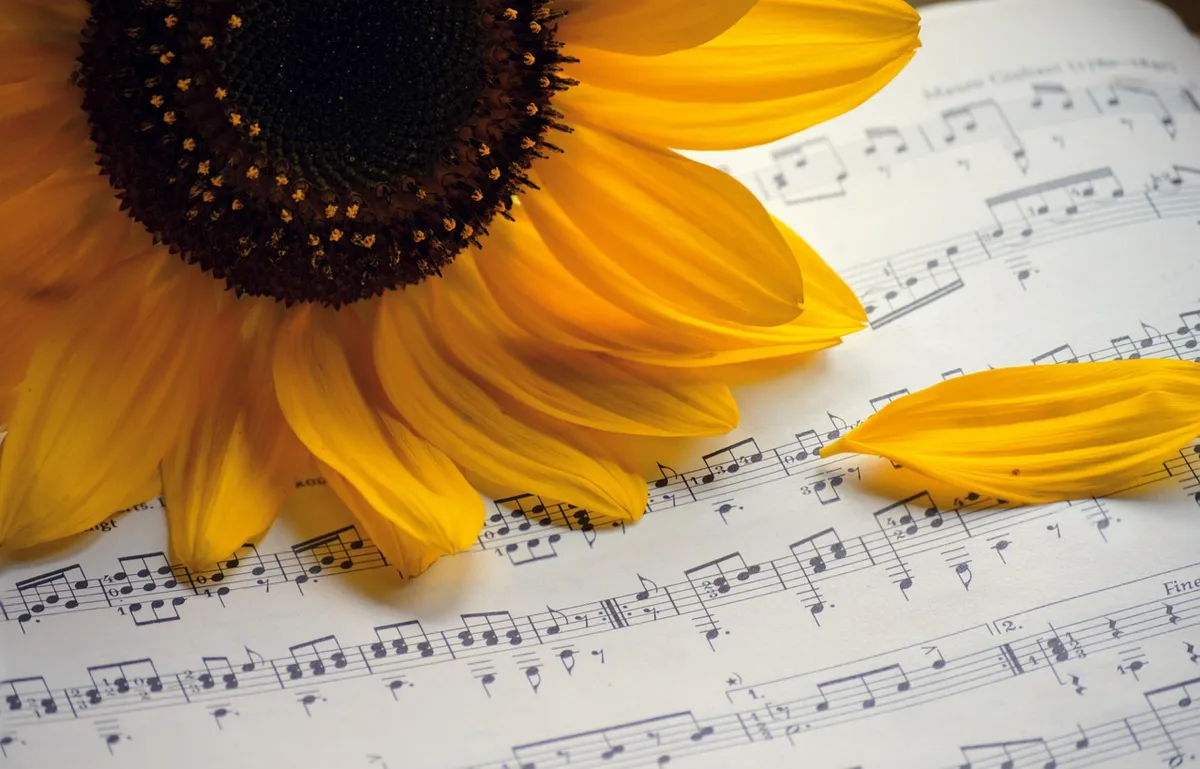
A researcher examines the fine details of an instrument's construction in a portrait, noting how the craftsmanship reflects the period's technological progress. This connection links the physical object to the history of sound.
Exploring the classical art music background within a painting helps reveal the intellectual climate of the artist. Many painters were deeply embedded in the musical circles of their cities, often composing or attending performances that influenced their work.
This deep immersion meant that the visual representation of music was not merely decorative but was an informed reflection of the era's sophisticated auditory culture.
How to approach the study of music and art history?
A student sits in a quiet library, comparing a musical score to a painting of the same era to find common threads. This methodical approach helps bridge the gap between two different modes of expression.
To effectively study the intersection of these disciplines, follow these steps:
- Identify the specific time period and geographic location of the artwork. 2. Research the prominent musical styles and instruments that were popular during that exact period. 3. Analyze how the visual composition (such as rhythm or harmony) mimics the musical qualities of the time. 4. Perform a final check to see if the depicted musical elements align with the historical social context.
I found that comparing the tension in a string to the tension in a brushstroke helped me understand the emotional weight of certain portraits.
A limitation in this study is that the specific auditory environment of the original setting is not always preserved in the visual medium alone.
- Understanding the historical background of music in famous paintings requires looking at how composers and artists influenced one another through shared cultural movements.
- The historical context of musical art often dictates the atmosphere of a piece.
- Through this lens, we see that the choice of subject matter is rarely just about aesthetics but is deeply tied to the auditory landscape of the period.
Music in famous paintings history
The subject here is Music in famous paintings history.
The same subject is also called Art music historical context.
The same subject is also called Artist music historical setting.
Related







Comments 0