Great works shape culture: Masterpiece artist legacy
"The legacy of a great artist is not merely found in the finished canvas, but in the structures built to protect their truth and the schools that shaped their vision."
A masterpiece artist legacy is maintained through institutional oversight and the preservation of early developmental works. This guide explores how heirs manage authenticity and how early training influences a lifetime of creation.
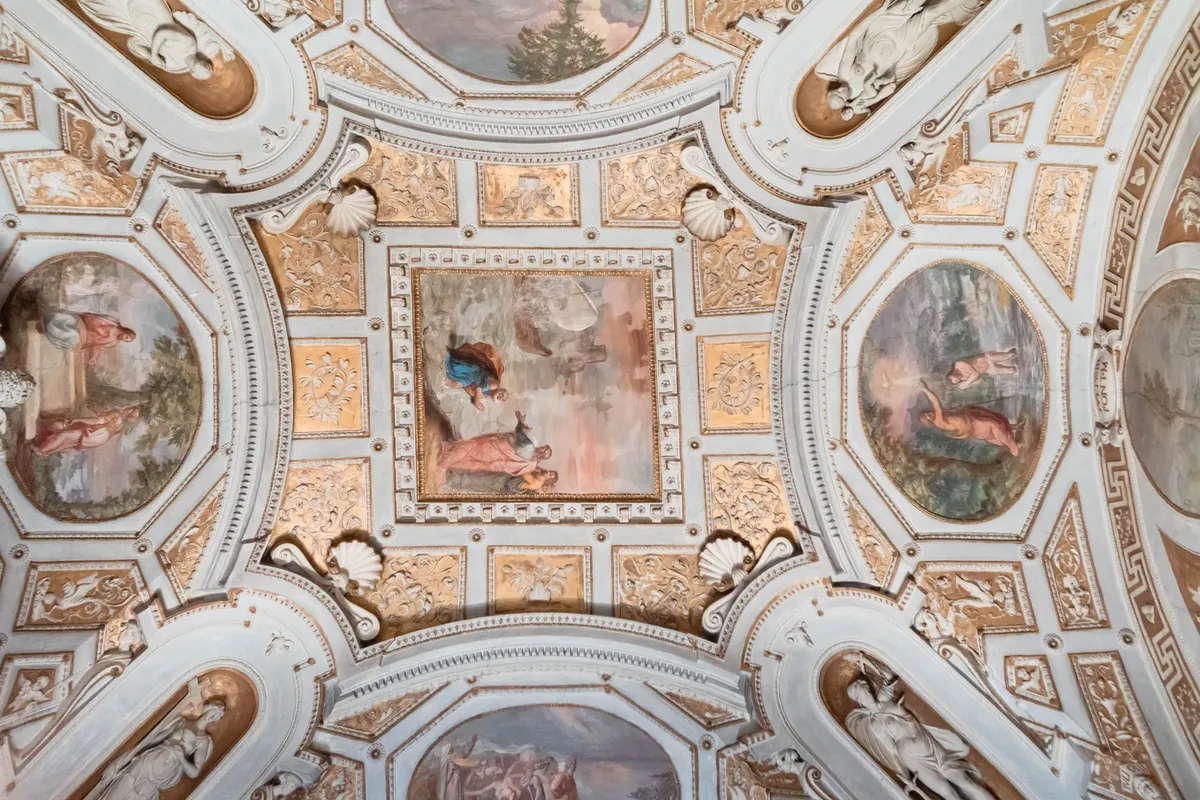
Key takeaways include the role of family-led administrations, the importance of academic foundations, and the value of tracing an artist's early progress through museum collections.
How do heirs protect a masterpiece artist legacy?
A group of family members sits in a quiet office, reviewing documents to ensure every signature matches the historical record.
In 2012, four of Picasso's five surviving heirs—Claude, Paloma Picasso, Bernard Ruiz-Picasso, and Marina Ruiz-Picasso—established the Picasso Administration to authenticate works by the artist. This specialized group ensures that only genuine pieces are recognized under the artist's name.
The establishment of such an organization serves to prevent forgery and maintains the integrity of the artist's market value. By centralizing the authentication process, the heirs provide a clear lineage for collectors and museums.
This administrative structure acts as a shield against questions regarding provenance.
However, the effectiveness of these measures can be limited if the heirs lack a deep understanding of the artist's original vision.
What role did early education play in shaping an artist?
A young student sits at a wooden desk in a sunlit classroom, practicing sketches under the watchful eye of a master. Picasso's father and uncle decided to send the young artist to Madrid's Real Academia de Bellas Artes de San Fernando, the country's foremost art school.

This academic foundation provided the technical rigor necessary for his later innovations.
Such formal training often dictates the trajectory of a professional career. The skills learned in a prestigious academy allow an artist to break rules effectively later in life. This early immersion in classical technique creates a baseline for all future experimentation.
How can we trace an artist's early development?
A researcher walks through a quiet museum hall, looking at sketches that show the first sparks of genius.
His progress can be traced in the collection of early works now held by the Museu Picasso in Barcelona, which provides one of the most comprehensive extant records of any major artist's beginnings. These early pieces offer a window into the artist's evolving style.
Studying these early works allows historians to see the transition from student to master. The collection serves as a roadmap of artistic growth. By examining these foundational pieces, scholars can better understand the mechanics of creative evolution.
How does an artistic heritage story remain relevant?
A curator carefully places a white glove on a canvas, preparing to move a piece into a permanent exhibition. The preservation of an artist's work requires both physical care and intellectual management. Without a clear record of an artist's journey, their impact on history might become blurred.
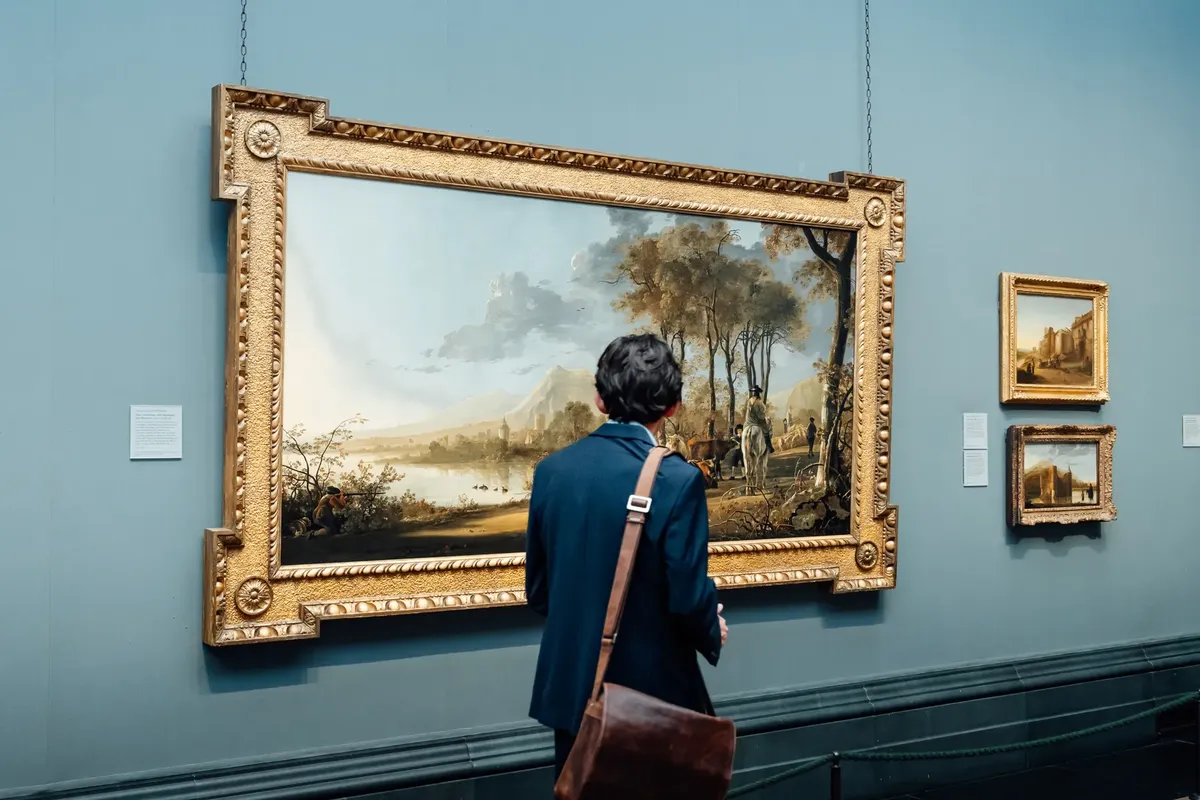
Maintaining a legacy involves a balance of protecting the physical object and the intellectual property. The work of heirs and museums ensures that the artist's voice remains distinct. This continuity allows future generations to engage with the original intent.
What is the significance of a famous painter's impact on history?
A student stands before a massive painting, feeling the weight of a century of influence. The impact of a great artist is measured by how their work changes the way people see the world. This influence persists long after the artist has left the studio.
Great works shape culture by challenging existing norms and introducing new visual languages. The legacy is not just about the objects, but about the questions they continue to ask. This lasting meaning is what keeps an artist's name in the public consciousness.
How do we bridge the gap between past and present?
A historian compares a modern reproduction to an original sketch, looking for the soul of the creator. Connecting a historical figure to a modern audience requires careful curation and storytelling. We bridge this gap through museums and academic study.

The journey of an artist is a continuous thread that links different eras. By understanding the roots of a movement, we can better appreciate its modern manifestations. This connection ensures that the artist's life and art remain a living part of human history.
- How do heirs protect a masterpiece artist legacy?
- What role did early education play in shaping an artist?
- How can we trace an artist's early development?
The subject here is Masterpiece artist legacy.
The same subject is also called Art history influence.
The same subject is also called Great work lasting meaning.
This part also covers How art shapes culture.
This part also covers Tracing art's historical path.
How art shapes culture
Related
- 4 cm diameter: Early image production constraints guide
- Art guide: How to interpret art metaphors and hidden symbols
What are the limitations of protecting a great artist's legacy?
The effectiveness of administrative measures can be constrained if the family members involved lack a profound comprehension of the artist's original artistic vision. This oversight means that even authenticated pieces might not fully convey the intended meaning of the great artist's work. Museum collections, while vital for tracing development, only preserve what was physically created, not the entire intellectual scope of the legacy.
How does academic training compare to self-taught genius?
Formal instruction, as seen with Picasso's enrollment in the Real Academia de Bellas Artes de San Fernando, imparts a structured set of techniques. This rigorous academic foundation provides a baseline against which later deviations from convention can be measured. Conversely, an artist without such early training might develop a unique style, but the comparison shows the difference between learned mastery and innate breakthrough.
The preservation of a great artist's legacy requires a dual focus: safeguarding the physical artifacts and interpreting the intellectual framework behind them. This careful balancing act ensures that the public engages with the work as intended by the artist. Without this dual approach, the impact of the great artist could diminish over time.



Comments 0