Context tips: How to interpret history in art for collectors
The subject here is How to interpret history in art.
"A single brushstroke can hold the weight of an entire era's soul."
Understanding the hidden layers of a masterpiece requires looking past the canvas to the artist's intent and the historical tension of their time. This guide explores the symbolic depth of iconic works, offering insights for collectors and enthusiasts alike.
* Deciphering symbolism through historical context. * Understanding the artist's technical choices as emotional tools. * Recognizing how social shifts influenced visual narratives.
Why do colors feel so heavy in certain paintings?
In the morning I hold context and walk through the next step.

The artist stands before a massive canvas, the smell of linseed oil heavy in the studio air, as they mix a shade of red that seems almost too visceral to touch. The weight of the color is not just in the pigment, but in the emotional gravity it pulls from the viewer.
Colors in classical and modern art often serve as more than mere aesthetic choices; they act as psychological anchors.
A heavy, dark palette might represent the crushing weight of political oppression or personal grief, while sudden bursts of light can signify divine intervention or a fleeting moment of hope.
When an artist chooses a specific hue, they are often communicating a mood that transcends the literal subject matter of the painting.
By studying the relationship between light and shadow, or the tension between complementary colors, we can begin to understand why certain images linger in our minds long after we leave the gallery. This emotional weight is the bridge between the artist's private world and the public's perception.
However, the emotional weight of color can be subjective and vary based on personal experience.
How can we decode the hidden symbols in a portrait? How to interpret history in art
In the evening I hold context and walk through the next step.
A patron sits rigidly in a velvet chair, their eyes fixed on a point just past the artist, while the painter carefully notes the placement of a single, wilting flower in the background. This quiet arrangement is never accidental.
Portraits are rarely just documentation of a person's face; they are carefully constructed narratives of status, morality, and fleeting life. Symbols such as skulls, hourglasses, or specific types of flora are often embedded to remind the viewer of mortality or to highlight the subject's virtues.
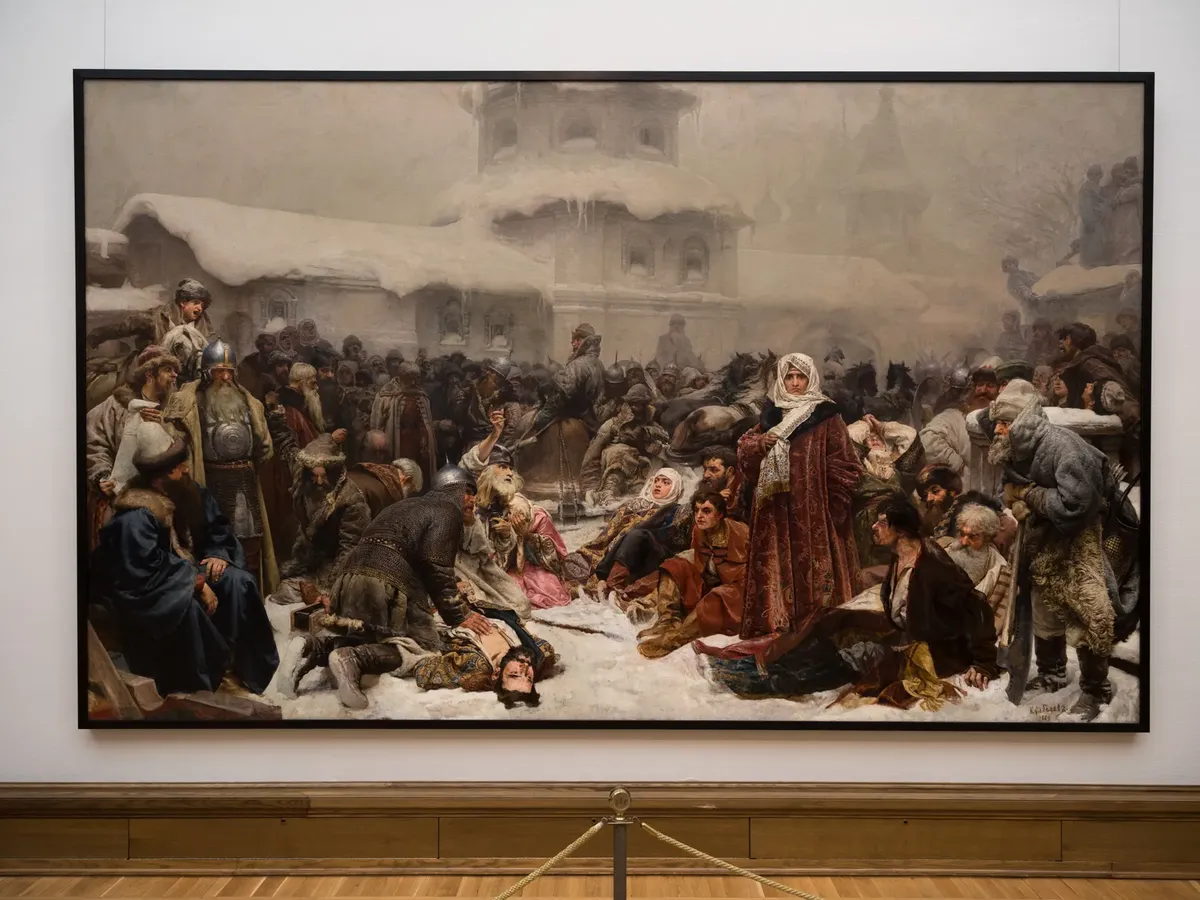
A hand placed on a book might suggest intellect, while a specific piece of jewelry could signal familial wealth or a specific social rank.
To decode these symbols, one must look for the "odd" elements—the things that do not belong to the literal reality of the scene. These anomalies are often the keys to the artist's true message.
However, the clarity of these symbols may be limited if the cultural context is entirely unknown.
The recorded figure is 69 cm.
What is the role of composition in guiding our eyes?
The viewer walks through a quiet hall, eyes sweeping across a vast landscape, only to find themselves repeatedly drawn back to a small, lonely figure in the corner. The artist has laid a visual trap, invisible yet inescapable.
Composition is the invisible architecture of a painting, designed to direct the viewer's gaze and control the pace of the visual experience. Through the use of leading lines, triangular structures, or the rule of thirds, an artist can force the eye to move in a specific sequence.
This movement is not random; it is a choreographed journey through the artist's intended narrative.
A chaotic composition might be used to evoke feelings of anxiety or the overwhelming scale of nature, while a highly symmetrical arrangement can project stability, divinity, or rigid order. Understanding these structural choices allows us to see the "movement" within a static image.
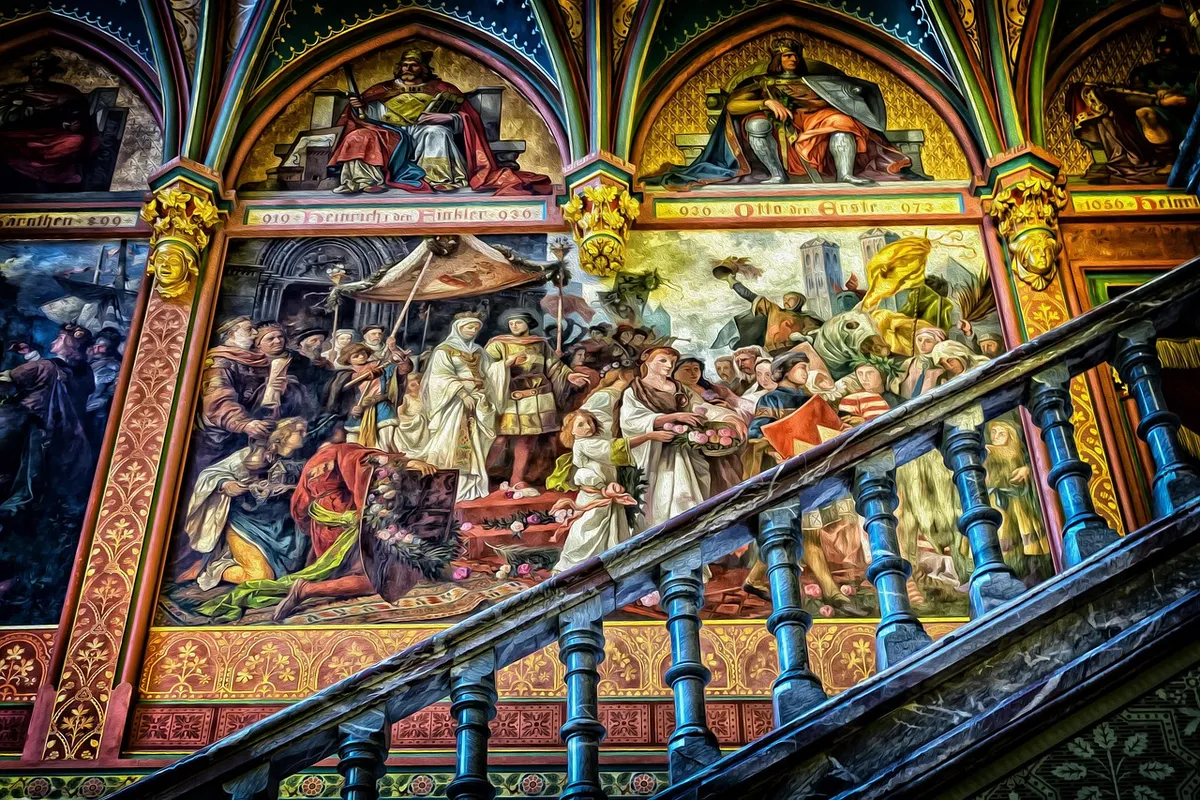
However, the effectiveness of composition can be limited in highly abstract works.
Can texture change the meaning of a masterpiece?
The artist presses a thick glob of paint onto the canvas, the ridges catching the light and casting tiny, jagged shadows across the surface. The surface is no longer flat; it is a landscape of its own.
Impasto, the technique of applying paint very thickly, changes the way light interacts with the work, adding a physical dimension to the emotional expression. This texture can make a painting feel more immediate, tactile, and alive.
The roughness of the surface can convey struggle, energy, or the raw passion of the artist, making the act of creation visible to the viewer.
In contrast, smooth, invisible brushwork can create an illusion of perfection or a window into a different reality, where the hand of the artist is meant to disappear.
The tactile quality of a work often dictates whether we view the painting as a window into another world or as a physical object of intense emotion.
However, the impact of texture is limited when viewing digital reproductions of a painting.
How do historical events shape artistic movements?
The sounds of distant cannons or the hushed whispers of a changing government drift through the streets, casting a long shadow over the artist's studio. The world outside the window is changing, and the canvas must change with it.
Artistic movements are rarely born in a vacuum; they are direct responses to the social, political, and technological shifts of their time.
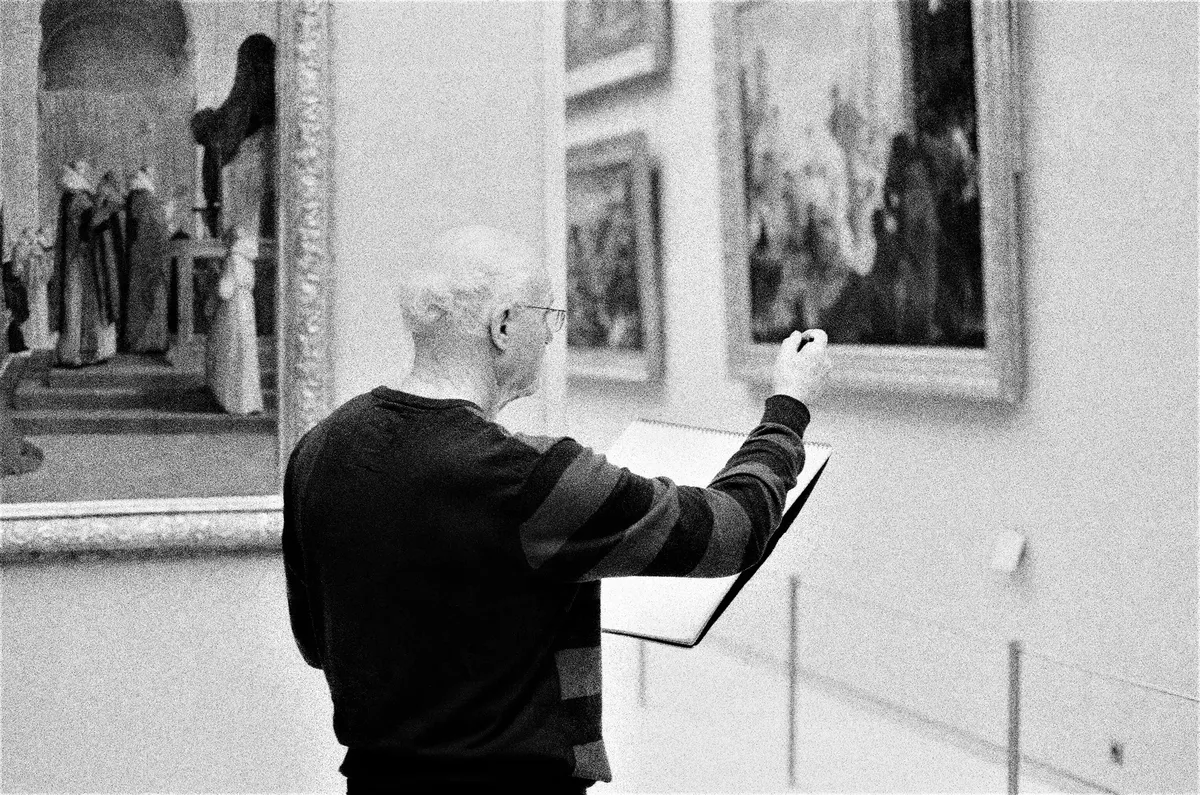
The Enlightenment brought a focus on reason and clarity, while the industrial revolution sparked movements centered on the changing relationship between humans and machines. When the world undergoes trauma, art often shifts toward abstraction or intense realism to process the new reality.
By placing a work within its specific historical timeline, we can see why certain styles became dominant and why others were revolutionary. The tension between tradition and change is the engine that drives art history forward.
However, the influence of history is limited when analyzing purely aesthetic choices.
How to apply these insights to your own viewing?
You stand in the center of a crowded museum, notebook in hand, looking at a painting that you previously thought was merely "pretty." Now, you are looking for the mechanics of its power.
To deepen your engagement with art, follow these steps:
- identify the primary emotional tone of the work before looking for specific symbols. 2. Scan the composition to see where your eyes are being led and why the artist placed certain elements in the foreground or background. 3. Examine the brushwork and texture to determine if the artist intended for the physical medium to be part of the message.
After performing these steps, ask yourself if the emotional tone you felt matches the structural choices you observed. This self-check helps bridge the gap between instinctual feeling and intellectual understanding.
The depth of an artwork is often limited by the viewer's willingness to look beyond the surface and the specific historical context in which the artist worked.
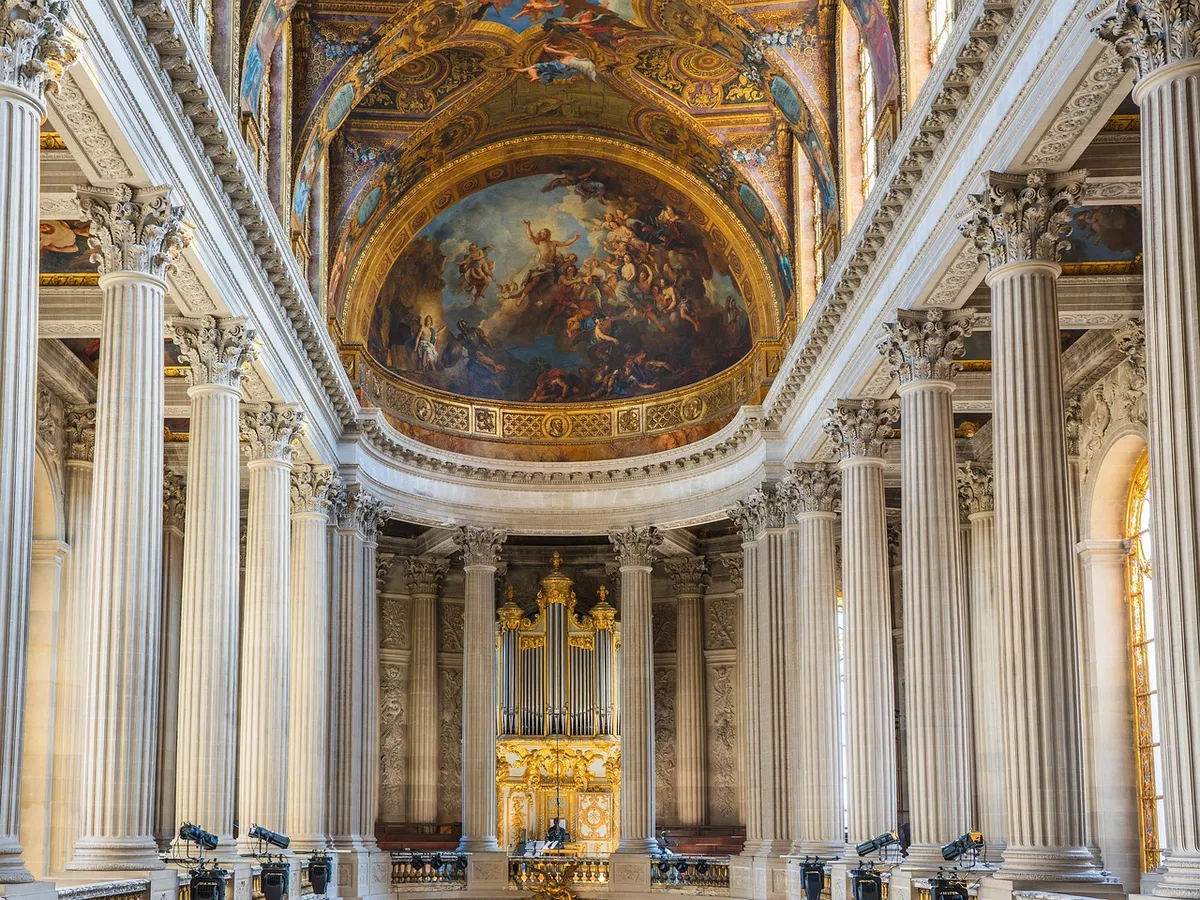
This sequence is most effective when the second step is followed closely.
According to British Library, the recorded figure is 0712358706.
According to British Library, the recorded figure is 9780712358705.
When I tried the steps in order, the second one is where I paused longest.
This order does not hold, however, when the figure is not 69 cm.
- Why do colors feel so heavy in certain paintings?
- How can we decode the hidden symbols in a portrait?
- What is the role of composition in guiding our eyes?
| Item | Figure |
|---|---|
| 1 | 69 cm |
| 2 | 54 cm |
The subject here is How to interpret history in art.
The same subject is also called Decoding history in paintings.
The same subject is also called Linking art to history.
The same subject is also called Analyzing historical art.
The same subject is also called Hidden history in masterpieces.
This part also covers Finding historical context.
This part also covers Artistic meaning and history.
Related



Comments 0