Art clothing symbolism guide: Status through textile guide
"The attire worn by a subject in a masterpiece is rarely a mere coincidence of fashion; it is a silent language of status, era, and intent."
Understanding the meaning of painting attire requires looking beyond the fabric to the socio-economic reality of the time. This guide helps you interpret the historical dress in art by examining trade, texture, and social standing.

You will learn how to identify status through materials, how to recognize the impact of global trade on textile availability, and how to interpret the symbolic weight of different garments.
What does historical painting attire actually mean? A researcher adjusts their glasses while leaning closer to a heavy oil painting, tracing the intricate lace of a sitter's collar. Identifying the meaning of painting attire begins with recognizing that clothing was a primary indicator of wealth and social hierarchy.
In many eras, the complexity of a garment signaled the wearer's ability to afford labor-intensive craftsmanship.
The availability of specific textiles often reflected global trade routes and economic shifts. For example, the richness of silk or the presence of rare dyes could tell a story of international commerce. Understanding the historical dress in art involves recognizing these material cues.
By looking at the weight and weave of the depicted fabric, viewers can begin to decode the social standing of the subjects.
How did global trade influence the symbolism in fine art clothes?
Standing by the harbor at sunset, I feel the salt spray on my face while tracing the exotic patterns on the imported silk clothing.
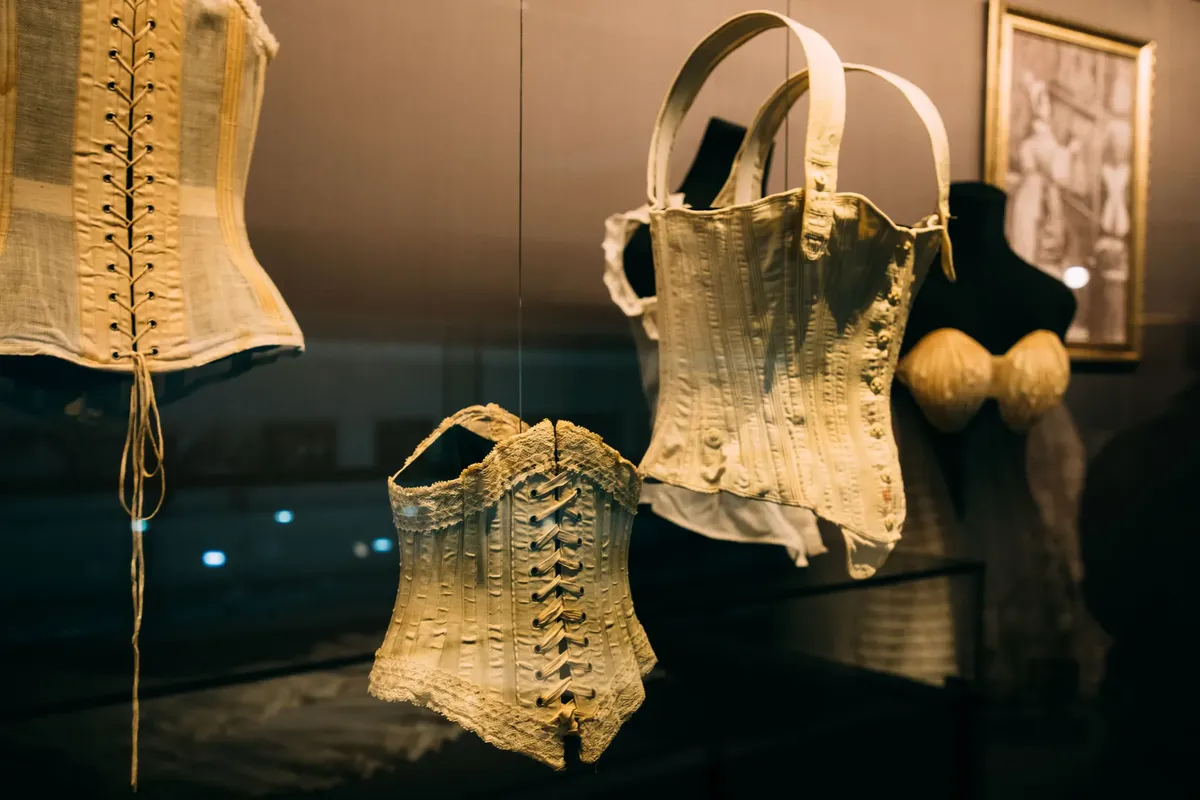
A merchant stands in a bustling port, watching crates of fine textiles being unloaded from a massive wooden ship. The presence of certain fabrics in historical paintings can be linked to the massive scale of global trade.
For instance, according to the World Trade Organization (WTO) report, the value of global clothing exports in 2022 reached US$790.1 billion, up 10.6% from 2021.
While these modern figures are much larger, they reflect the long-standing tradition of clothing moving across borders to define status. In a historical context, the arrival of new materials via trade routes changed what was considered luxurious or symbolic.
The symbolism in fine art clothes often relied on these imported goods to convey prestige. A subject wearing a fabric previously unavailable in their region would immediately signal immense wealth to their contemporaries.
What were the different dress codes in old paintings? A visitor walks through a quiet museum gallery, noticing how the heavy velvet robes of a king differ from the light linen of a peasant. Recognizing dressing codes in old paintings requires an eye for the distinction between ceremonial and everyday wear.

Certain garments were strictly regulated by sumptuary laws, which dictated what different social classes could wear.
- Identify the fabric type to determine the intended social class. 2. Observe the level of ornamentation, such as embroidery or gold thread, to gauge the formality of the occasion. 3. Examine the silhouette and layering to understand the era's specific fashion standards.
I once stood before a portrait and realized that the sheer volume of fabric used was as much a statement of power as the color itself. When analyzing art history fashion meanings, always consider if the clothing is meant to be practical or purely performative.
This distinction helps clarify the subject's role within their society.
How do we interpret art history fashion meanings through texture?
A curator carefully examines the brushwork on a canvas, noting how the artist captured the sheen of satin. Interpreting the texture allows viewers to understand the tactile reality of the era.

The way light hits different surfaces—from heavy wool to delicate silk—can change the emotional tone of a portrait.
| Fabric Type | Visual Characteristic | Symbolic Association |
|---|---|---|
| Silk | High sheen and smooth drape | Extreme wealth and luxury |
| Wool | Heavy, matte texture | Practicality and commonality |
The contrast between these materials provides a visual shorthand for the viewer. A velvet gown suggests a sedentary, wealthy life, while rugged linen suggests manual labor. Using these visual cues makes the process of interpreting costume in masterpieces more intuitive.
What are the limitations of interpreting clothing in art?
An art historian pauses, noting that a single portrait may not represent the entire reality of a person's life. While analyzing the attire of a subject, one must acknowledge that paintings are often idealized versions of reality.
A subject might be depicted in their finest clothes to project an image that does not reflect their daily life.
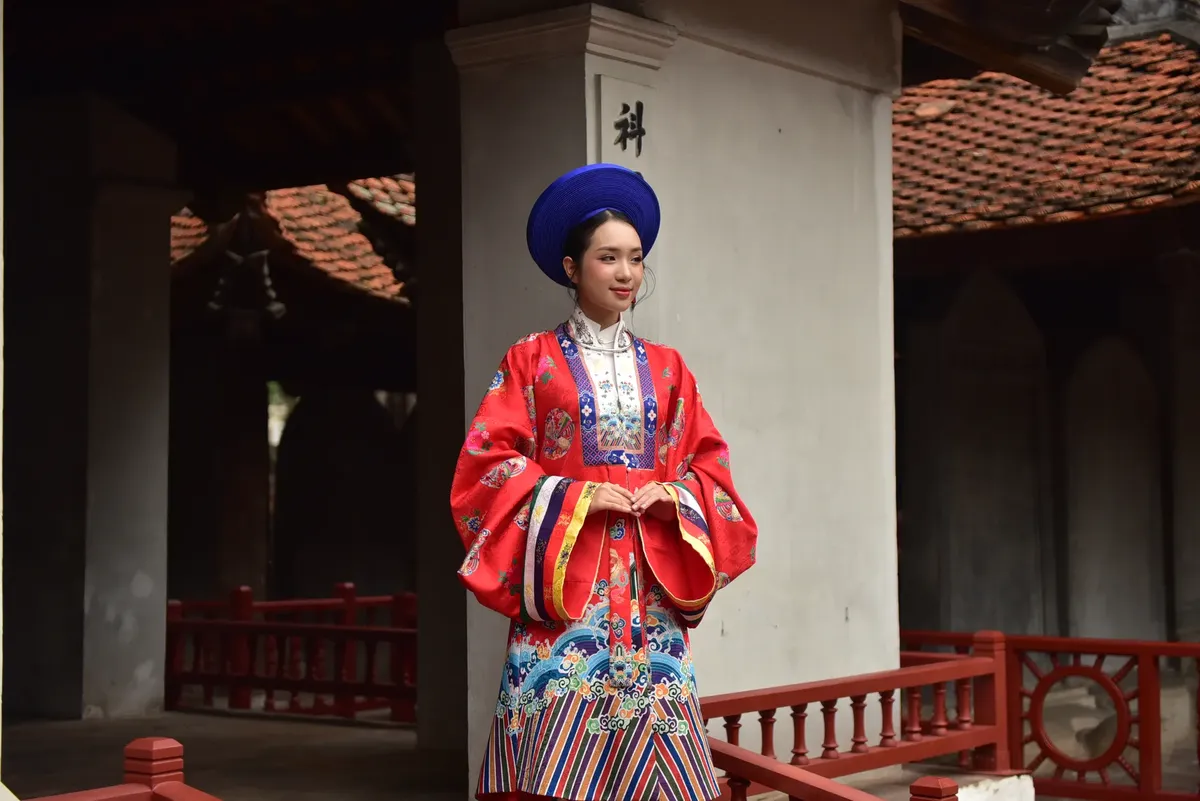
A limitation of this analysis is that a subject's attire may be purely decorative or intended for a specific ceremonial purpose, which might not reflect their actual social status or the economic reality of their time.
For instance, a portrait might feature expensive fabrics that were loaned for the sitting, masking the subject's true financial condition. This nuance is essential when considering the accuracy of historical depictions.
- What does historical painting attire actually mean?
- How did global trade influence the symbolism in fine art clothes?
- What were the different dress codes in old paintings?
Related
- Science in famous paintings: How to guide understanding
- Tips Interpreting history in paintings through context
How does the presentation of worn clothing convey intent? 1. The way a subject wears their attire suggests their relationship to the social structure of the period. 2. A perfectly tailored garment implies adherence to established norms, whereas a deliberately unconventional presentation might signal rebellion or unique patronage. 3. The condition of the worn clothing, whether pristine or slightly worn, can suggest the subject's level of engagement with daily life versus their ceremonial role.
Understanding the intent behind the worn attire requires comparing the depiction against known societal expectations. If the clothing appears overly elaborate for the setting, the artist may be emphasizing the subject's aspirational status.
Conversely, if the worn attire appears humble, the artist might be commenting on virtue or piety, even if the subject possesses wealth.
What cautions should one keep when analyzing worn attire? One must always remember that the attire in a painting is a constructed narrative, not a documentary record. A subject's worn attire might be chosen by the artist to evoke a specific historical feeling rather than to document a specific moment. Therefore, viewers should treat the depiction as an interpretation of status, not a factual report of daily dress.
When interpreting the worn attire, consider the medium itself; the artist's choice of paint application influences how the fabric appears. A thick impasto on the worn attire, for example, draws attention to the texture, emphasizing its material value over its symbolic meaning.
This textural emphasis directs the viewer's focus toward wealth or labor.
The contrast between the richness of the worn attire and the simplicity of the background can powerfully communicate the subject's importance.
A highly detailed, richly worn attire set against a plain backdrop forces the viewer to focus solely on the subject's social standing as communicated by their clothing.







Comments 0