Art environment historical meaning: How to view art best
"The canvas captures a specific moment, but the background tells the story of an era."
Understanding the art environment historical meaning requires looking beyond the brushstrokes to the physical world artists inhabited.
This exploration covers how early museum focuses shaped our view of art, the reality of natural resource management, and how historical settings influence modern interpretation.
Key takeaways: 1. Early museums prioritized natural history and art over national history. * Environmental changes in art often reflect real-world resource pressures. * Historical context provides the foundation for understanding visual art landscape meaning.
How did early museums shape the art environment?
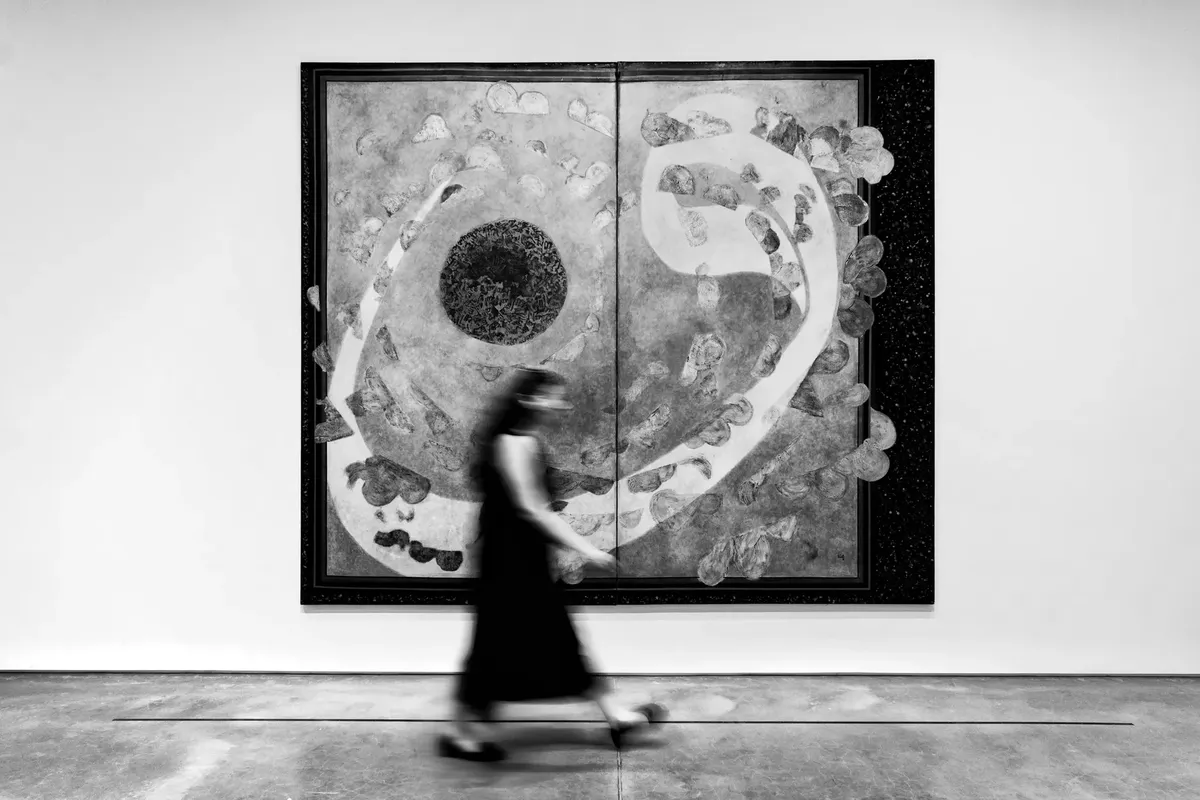
I stepped through the heavy oak doors of the dim museum at noon, feeling the cool air settle against my skin as I contemplated how these halls shaped the art environment.
Walking through the silent halls of an ancient museum, one realizes that the setting was often more about discovery than patriotism. The early public institutions did not focus on building a national identity through imagery.
The earliest public museums, such as the Ashmolean Museum in Oxford and the Louvre Museum in Paris, were focused on natural history and art, respectively, and not necessarily on subjects related to the history of any nation.
This distinction means that the setting in famous art was often framed by scientific curiosity or aesthetic tradition rather than political messaging.
The historical focus of these institutions provided a baseline for how we view the art environment historical meaning today. By studying these collections, we see how natural history and fine art were once seen as parallel pursuits of human knowledge.
What role does the natural world play in painting? Art environment historical meaning
As sunset bled crimson across the valley, I squinted at the canvas to see how the artist captured the shifting environment.
Standing before a sprawling landscape, an observer might wonder why certain elements dominate the frame. The relationship between the artist and their surroundings often reflects the availability of materials and the state of the natural world.
The Illustrated Library of Art: History, Appreciation, and Tradition suggests that the evolution of painting is deeply tied to the tools and environments available to creators.
For example, ancient Roman wall-painting techniques, as noted in the Metropolitan Museum of Art Timeline of Art History, show how specific environments influenced artistic expression.
Analyzing art's historical setting helps us understand how artists utilized their surroundings. A painter's choice of subject often stems from the immediate reality of their landscape.
How do resource shifts affect visual art?

Looking at a forest scene in a painting, one might consider the real-world pressures that shaped such depictions. Changes in the environment often dictated the themes found in various artistic movements.
According to New Society, the challenge of complete recycling of non-renewable materials and wastes remains a significant issue.
These environmental shifts often changed the visual landscape that artists were tasked with recording.
The tension between human survival and the natural world is a recurring theme. Understanding these pressures helps in analyzing art's historical setting.
Is the environment just a backdrop?
Observing a still life, it becomes clear that the objects chosen are often products of their environment. The setting is rarely just a passive space; it is an active participant in the narrative.
The history of painting shows that the materials used are as much a part of the environment as the subjects themselves. Artists have always been limited or inspired by the natural resources available in their specific geography.
The interaction between the subject and the setting provides a deeper layer of meaning. This connection is essential for anyone studying the art environment historical meaning.
How do we preserve the history of art?
Visiting a preservation lab, one sees the delicate balance of maintaining both the art and the history it represents. Protecting these works is a way of protecting the record of our environment.
The preservation of art involves managing the physical materials that comprise the work. While modern technology helps, the stability of the art depends on controlled environments that mimic or protect against natural changes.
A structured approach to understanding these shifts includes: 1. Identifying the original natural setting depicted. 2. Comparing the depicted resources to historical availability. 3. Evaluating the artist's intent regarding the environment. 4.
Checking for modern environmental influences on the work's survival.
I found that comparing these historical settings to modern preservation needs makes the art feel much more immediate.
What are the limitations of historical analysis?
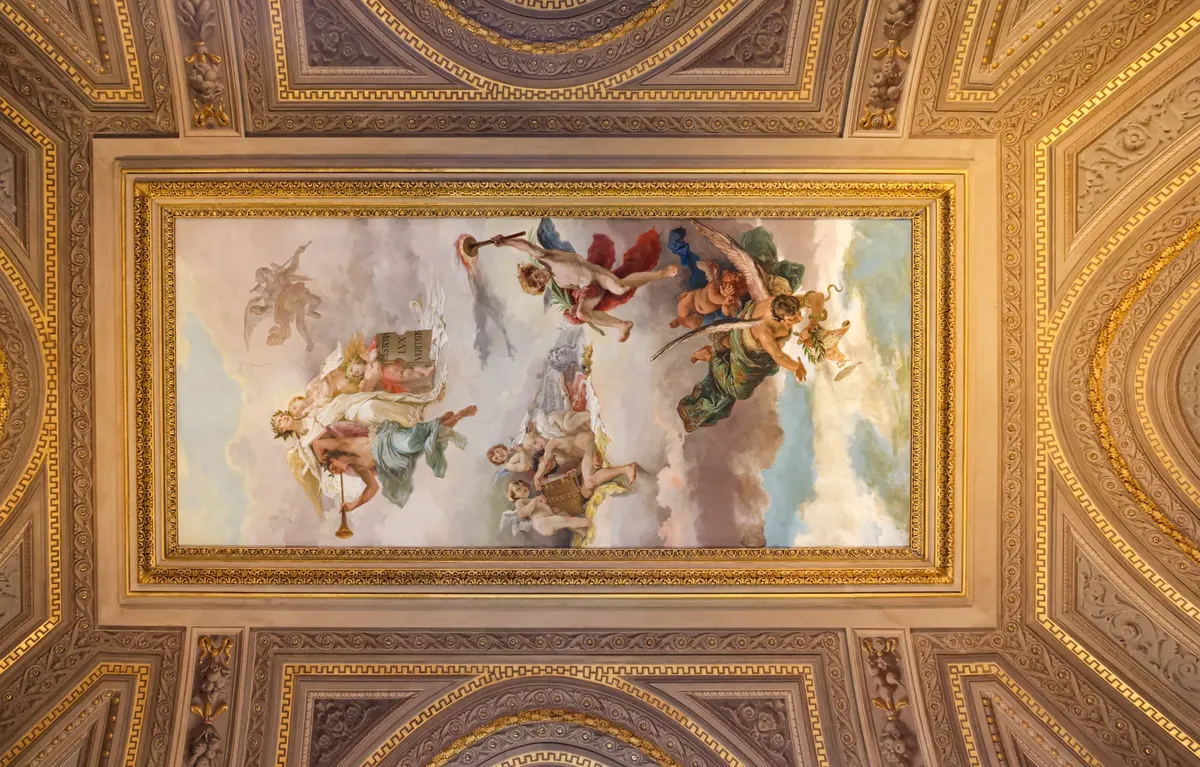
Studying a single painting can lead to broad generalizations if not handled carefully. We must acknowledge that a single frame cannot capture the entirety of a global environmental shift.
A limitation of analyzing a specific work is that it may only reflect a localized condition, such as the specific resource availability in a single region at one time.
- How did early museums shape the art environment?
- What role does the natural world play in painting?
- How do resource shifts affect visual art?
The same subject is also called Painting setting context.
The same subject is also called Art history environment.
This part also covers Artist's intent in nature scenes.
This part also covers Environmental themes in fine art.
Analyzing art's historical setting
Related
- Art philosophy structure analysis: Why light shapes art
- Art reflecting social change: How artists show change
How does the canvas relate to the era's resources?
The canvas captures a specific moment, yet the materials used in its creation speak volumes about the era's resource availability. The choice of pigment or the type of support itself reflects the trade routes and local geology of the time.
This comparison shows how the physical object embodies the economic realities of its making.
When examining the canvas, one must consider the materials that were accessible to the artist. If the painting depicts a lush landscape, the pigments used might derive from minerals abundant in that region, illustrating a direct link between the setting and the artistic output.
This relationship between the canvas and its material context provides a tangible link to the historical pressures discussed previously. The subtle variations in the paint itself can serve as evidence of environmental constraints on the artist's palette.




Comments 0