Why Famous painting historical event reveals history
"Art provides a window into the past, capturing moments that mere text cannot convey."
Exploring the historical context behind masterpieces reveals the true depth of an artist's intent and the reality of the era. This guide examines how to look beyond the canvas to find the pulse of history.
Key takeaways involve grasping the link between art and social shifts, spotting symbolic hints about actual events, and realizing how historical precision influences how we view the past.
How can we identify a famous painting historical event?
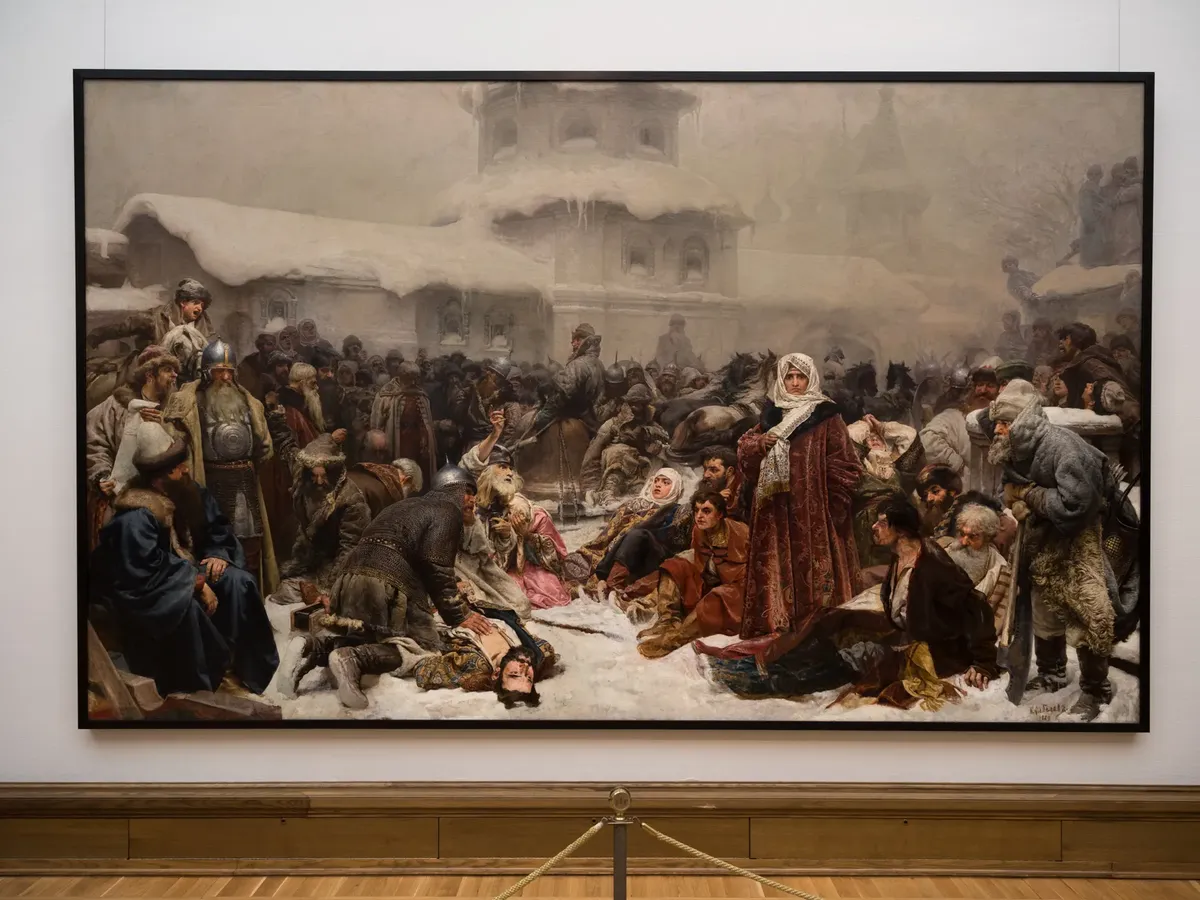
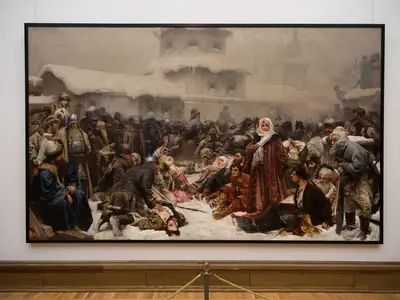
Standing before a large oil painting, a visitor often wonders if the scene depicts a specific moment in time or a generalized emotion. Identifying a famous painting historical event requires looking for specific period details, such as clothing, architecture, or political symbols.
Art historians often look for subtle clues within the composition to determine if a scene represents a documented moment. Analyzing the brushwork and the subject's gaze can reveal whether the artist intended to record a specific occurrence.
This process involves cross-referencing the visual details with historical records of the time.
The first step involves researching the artist's life to see if they lived through the era they depicted. Next, one should examine the stylistic elements to see if they align with the political climate of that period.
Finally, a comparison with written historical accounts helps verify the accuracy of the depicted scene. I once spent an afternoon in a quiet gallery comparing a landscape to old maps to see if the terrain matched.
What are the secrets behind real art history events? In the cold museum at midnight, I felt a sudden chill while uncovering the secrets of art history real events through a famous portrait.
A traveler walks through a quiet museum hallway, where the air feels heavy with the weight of centuries. Seeking the truth behind art history real events means digging into the socio-political environment that influenced the creator.
Often, a painting serves as a silent witness to a revolution or a change in social structure. By understanding the tensions of the era, viewers can see why certain colors or figures were chosen to represent power or suffering.
These historical layers turn a simple image into a profound narrative of human experience.
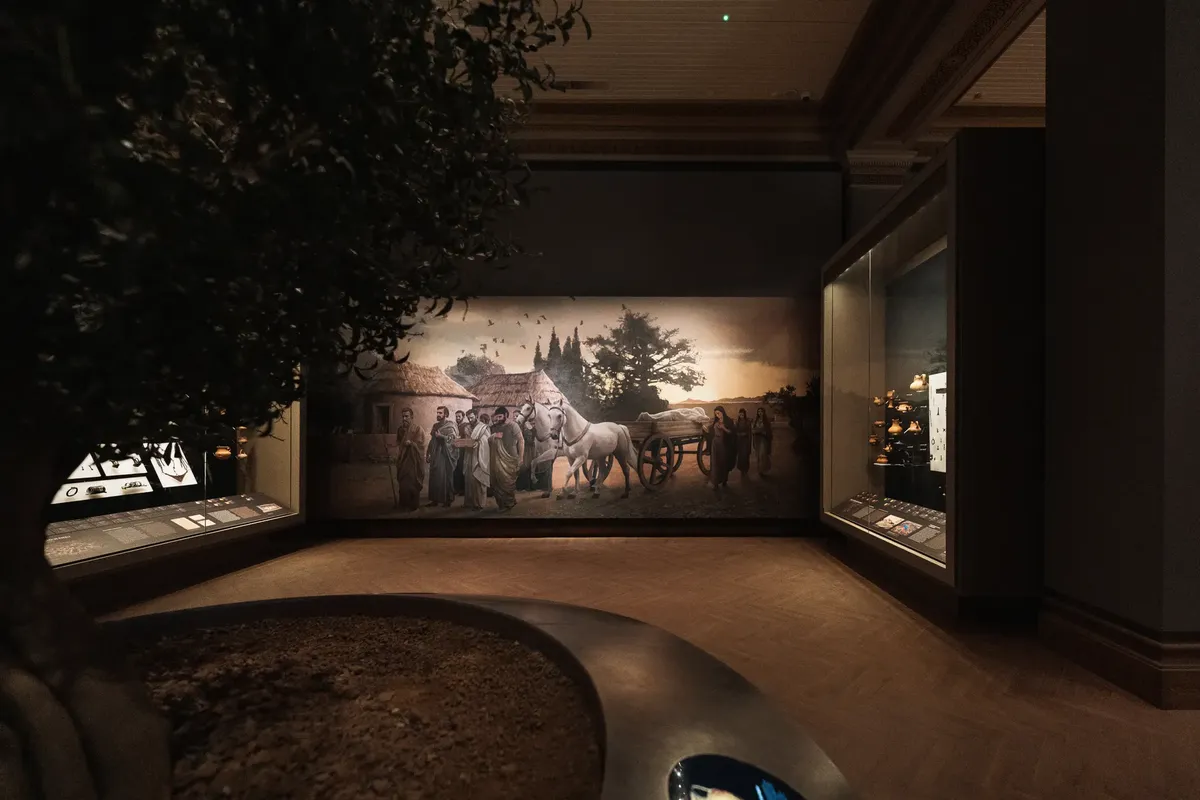
One might investigate the patronage behind a work to see if political figures influenced the subject matter. Another method is to look at the geographic setting to see if it corresponds to known historical sites.
A final check involves checking for hidden allegories that might represent specific leaders or movements.
Can symbolism reveal the truth behind paintings? A researcher leans over an old manuscript, trying to match a symbol in a painting to a specific historical figure. Understanding paintings and past facts often requires decoding symbols that were once common knowledge but are now obscure.
Symbolism allows an artist to communicate complex messages without using words. A single object, such as a specific flower or a type of weapon, can signify a treaty, a death, or a victory. These elements bridge the gap between the visual medium and the documented reality of the past.
| Aspect | Symbolism Purpose | Historical Connection |
|---|---|---|
| Allegory | Represents abstract ideas | Connects to political movements |
| Iconography | Uses traditional imagery | Reflects cultural values |
I found that once I learned the meaning of specific floral arrangements, the portraits in the gallery began to tell much more personal stories.
How do masterpieces historical context and reality differ?
An investigator looks at a portrait of a king and wonders if the crown or the background is purely decorative. Examining how masterpieces historical context and reality differ helps distinguish between artistic license and factual documentation.
Artists frequently used exaggeration to glorify their subjects or to emphasize the gravity of an event. While the setting might be accurate, the scale of the figures or the intensity of the light might be manipulated for emotional impact.

Recognizing this distinction is vital for a clear understanding of historical truth.
The scope of these differences depends on the artist's primary goal, whether it was portraiture, propaganda, or pure expression. In some cases, the reality of the event is entirely secondary to the emotional truth the artist wished to convey.
What are the techniques for analyzing painting and past facts?
A student sits in a lecture hall, sketching the details of a battle scene to understand the tactical layout. To master the skill of analyzing painting and past facts, one must develop a systematic approach to visual evidence.
The process of deep analysis involves several layers of inquiry. You can follow these steps to improve your understanding:
- Identify the specific time period and geographic location depicted. 2. Catalog the objects, clothing, and architectural styles present in the work. 3. Correlate these elements with known historical data and eyewitness accounts.
A final check involves questioning why the artist chose to include or omit certain elements of the event.
Can we find symbolism in historical art in everyday objects?
A visitor pauses at a small still life, noticing how a simple skull or a broken glass tells a story of mortality. Finding symbolism in historical art can なt always require grand battles; often, it is found in the smallest details of domestic life.
According to the Musée d'Histoire Urbaine et Sociale de, since 2013, the former station building has housed the Musée d'Histoire Urbaine et Sociale de Suresnes (Suresnes Museum of Urban and Social History), which preserves numerous objects and testimonials to the commune's past.
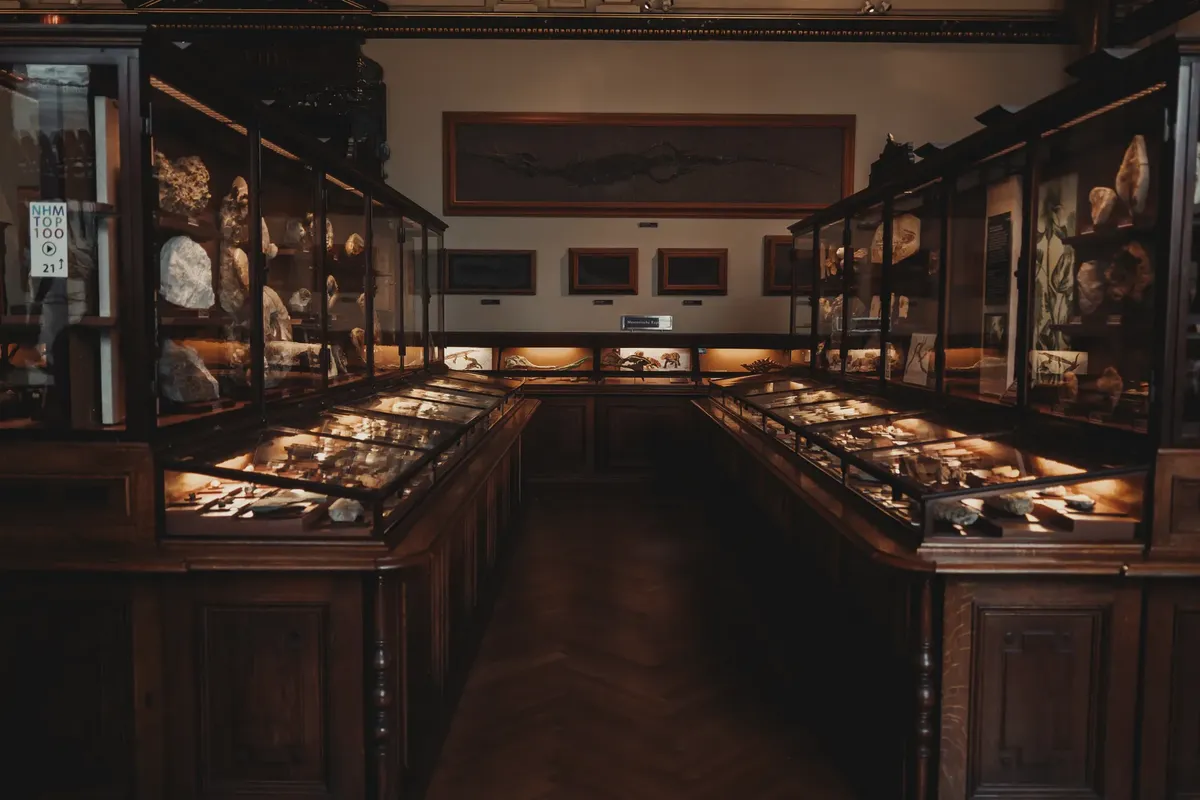
These subtle cues provide a window into the values and fears of the people of that time. By recognizing these motifs, we can better understand the mindset of the era. This connection makes the past feel much more tangible and immediate.
The limitation of this approach is that certain symbols are highly specific to their own time and may not be easily interpreted without specialized historical knowledge.
- How can we identify a famous painting historical event?
- What are the secrets behind real art history events?
- Can symbolism reveal the truth behind paintings?
The same subject is also called Art depicting real history.
This part also covers Analyze painting historical setting.
This part also covers Artist's view of past events.
Related



Comments 0