4 cm diameter: Early image production constraints guide
A sense of depth and dimension has long defined the evolution of visual art, moving from flat surfaces to immersive experiences. This exploration examines how technical breakthroughs in imaging and painting create the illusion of space and reality for the viewer.
Understanding the technical characteristics of masterpieces involves looking at how artists manipulate light, perspective, and medium to engage the human eye.
This guide covers the history of stereoscopic imaging, the evolution of photographic formats, and how modern digital tools have resh constant visual input.
How did stereoscopic imaging change the way we perceive art?
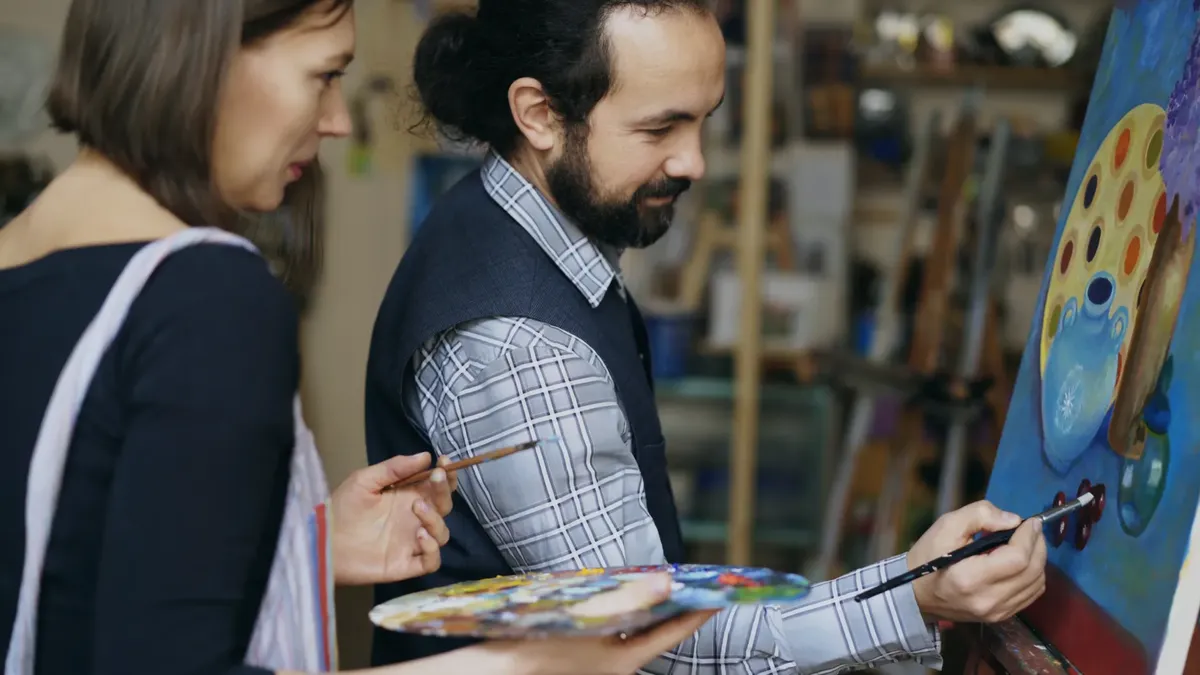
Walking through a museum gallery, one might encounter works that seem to jump forward from the wall. This sense of depth was a primary focus of historical studies regarding how humans perceive three-dimensional space through two-dimensional media.
The history of stereoscopic imaging as an artistic and cultural phenomenon was the subject of 3D: Double Vision (2018–2019) at the Los Angeles County Museum of Art, described as the first survey of stereoscopic and three-dimensional imaging in a North American art museum.
This exhibition highlighted how specialized techniques could bridge the gap between flat images and human vision. Such studies help us understand how the brain processes visual data to create a sense of volume.
In this sequence, the second point is the most significant.
The perception of volume is directly influenced by the brain's ability to interpret depth cues provided by the visual data. The specialized techniques used in stereoscopic imaging provided the necessary visual information for this interpretation. The process of creating a sense of volume requires the brain to reconcile two slightly different viewpoints.
What were the early technical constraints of image production?
In the dim studio, I felt the cold metal of the vintage lens while measuring its small diameter by hand.
A photographer in the nineteenth century might adjust a heavy wooden camera to capture a single, fleeting moment. Early imaging methods often resulted in unique shapes and specific physical constraints that dictated the composition of the art.
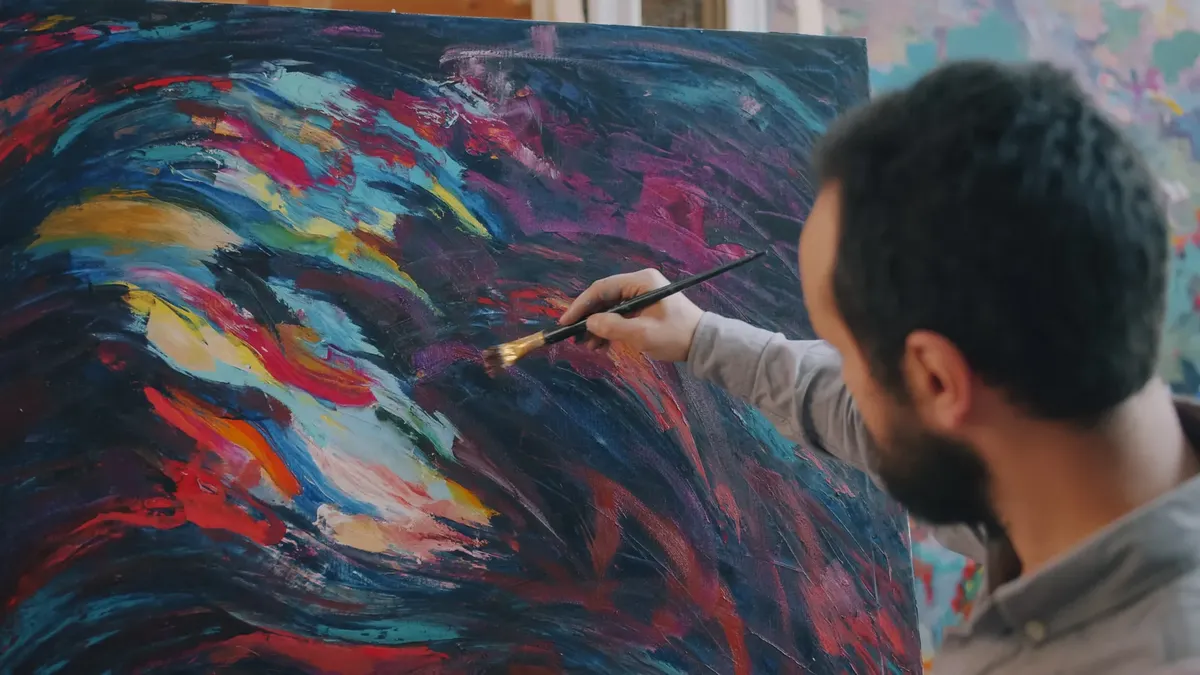
The pictures produced were round with a diameter of 4 cm, the method was later named the "Steinheil method". This specific measurement shows how the physical limitations of early lenses and plates defined the boundaries of the visual field.
Such constraints forced artists to work within tight geometric parameters to achieve clarity.
- Aligning dual lenses to match human ocular distance.
- Managing light sensitivity across two separate plates.
- Developing stable mounting hardware for viewing devices.
The alignment of dual lenses was a critical procedure to ensure the resulting image accurately mimicked natural human sight. Managing light sensitivity across two separate plates required careful exposure timing for both images. Developing stable mounting hardware was necessary to maintain the precise relationship between the two plates for the viewer. The small diameter of the resulting pictures limited the scope of the subject matter that could be captured.
How does the shift to digital change the nature of visual art?
A person holding a smartphone today captures images with a single tap, a stark contrast to the manual processes of the past. This transition from physical plates to digital sensors has fundamentally altered the accessibility and volume of visual content.

More than 99% of photographs taken around the world are through digital cameras, increasingly through smartphones. This massive shift means that the technical mastery of light and shadow is now happening at a scale never seen before in human history.
While the tools have changed, the fundamental goal of capturing a moment remains constant.
Digital sensors allow for immediate capture, which contrasts sharply with the lengthy chemical development required for physical plates. The accessibility provided by digital cameras allows for a much greater volume of content to be created and shared. The technical mastery of light and shadow, while still fundamental, is now achieved through algorithmic processing in addition to traditional artistic skill.
How can we apply these technical insights to modern viewing?
When standing before a masterpiece, one can look for the specific ways the artist manipulated the medium to create depth. Applying these historical lessons to modern viewing helps bridge the gap between old techniques and new technology.
- Observe the sense of depth to see if the work utilizes stereoscopic principles or forced perspective. 2. Examine the physical boundaries of the image to understand how the frame influences the composition. 3. Compare the lighting and texture to the digital clarity we expect in modern photography.
I once stood in front of a large-scale installation and realized how much the diameter of the projected image affected my sense of immersion. This realization helps in understanding how the physical scale of an artwork interacts with the viewer's environment.
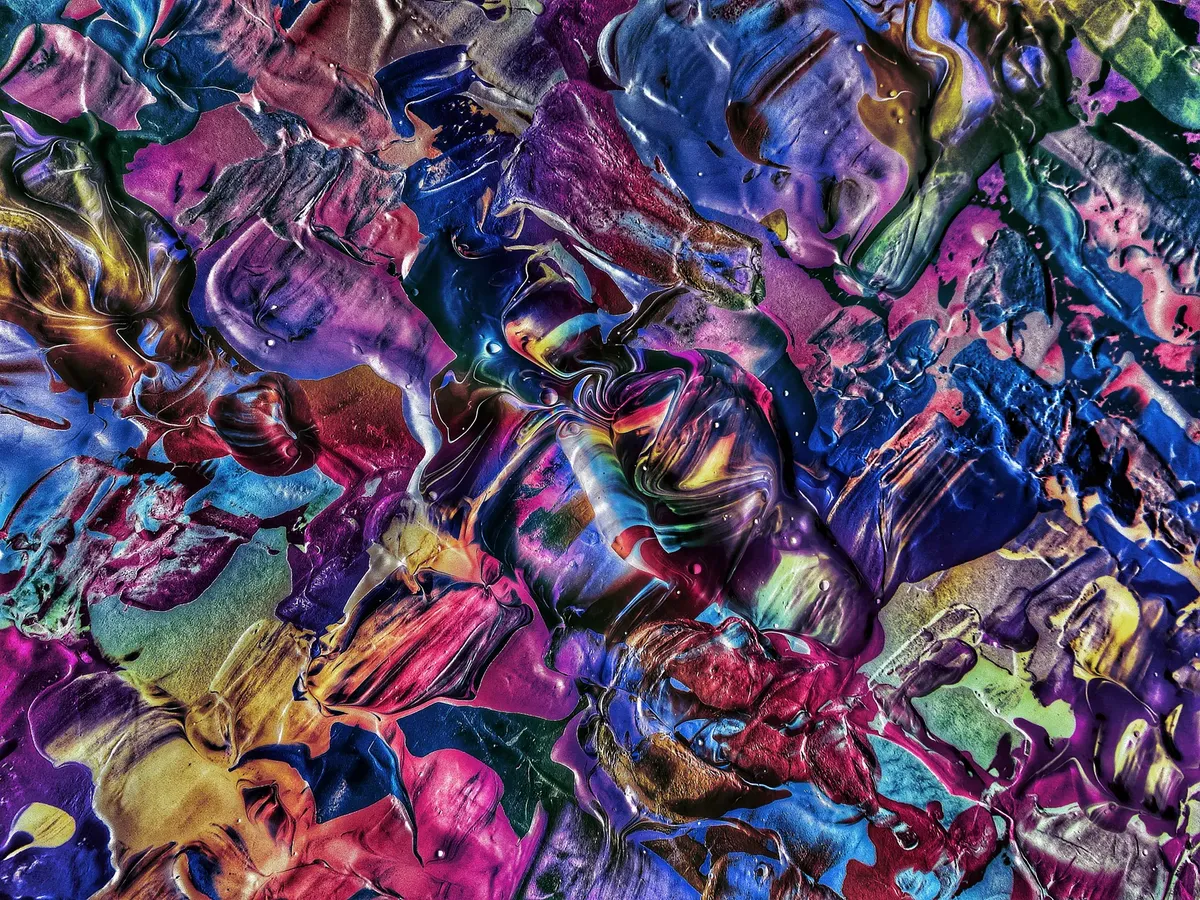
A limitation of studying these historical techniques is that they are often tied to specific, outdated hardware that cannot be perfectly replicated with modern digital sensors.
The comparison of lighting and texture to modern digital clarity requires recognizing the inherent differences in how older mediums record light versus how digital sensors capture it. Observing the sense of depth involves identifying whether the illusion of space was achieved through deliberate stereoscopic principles or through the calculated use of forced perspective. Examining the physical boundaries of the image reveals how the chosen frame restricts or directs the viewer's focus within the composition.
Related





Comments 0