Art guide: How to interpret art metaphors and hidden symbols
The subject here is How to interpret art metaphors.
"A single brushstroke can hold the weight of an entire era's soul."
To understand the true depth of a masterpiece, one must look past the canvas to the artist's intent and the historical tension of their time.
This guide explores the layers of meaning within iconic works, offering insights into symbolism, technique, and the human stories that breathed life into paint.
* Deciphering hidden symbols and allegories. * Understanding the artist's emotional state during creation. * Connecting historical context to visual choices. * Applying new perspectives to future gallery visits.
Why do colors feel so heavy in certain paintings?
In the morning I hold interpret and walk through the next step.

The artist stands before a massive canvas, the smell of linseed oil thick in the air, as they mix a shade of red that seems to pulse with its own heartbeat. The weight of color is not just a visual phenomenon but a deliberate psychological tool used to steer the viewer's emotion.
Colors in fine art often serve as a silent language, conveying moods that words cannot reach. A heavy, dark pigment might represent grief or the crushing weight of mortality, while a sudden burst of yellow can signify divine light or fleeting joy.
Artists use saturation, value, and temperature to manipulate the viewer's physical response to the work.
By understanding how light interacts with pigment, you can begin to see the "weight" of a piece. A thick application of paint, known as impasto, creates physical texture that catches real light, adding a sculptural dimension to the emotion.
This tactile quality makes the colors feel more present and heavy in the viewer's mind.
Saturation and value can create a physical sensation of weight within a frame.
How can we find hidden meanings in portraits? How to interpret art metaphors
In the evening I hold interpret and walk through the next step.
A patron sits rigidly in a velvet chair, their eyes fixed on a point just past the artist's shoulder, while a single, misplaced object rests on the table beside them. Portraits are rarely just snapshots of a face; they are carefully constructed narratives of status, identity, and hidden truth.
According to the Smithsonian Institution, the painting was on display with "Hide/Seek: Difference and Desire in American Portraiture" from October 30 through February 13, 2011.
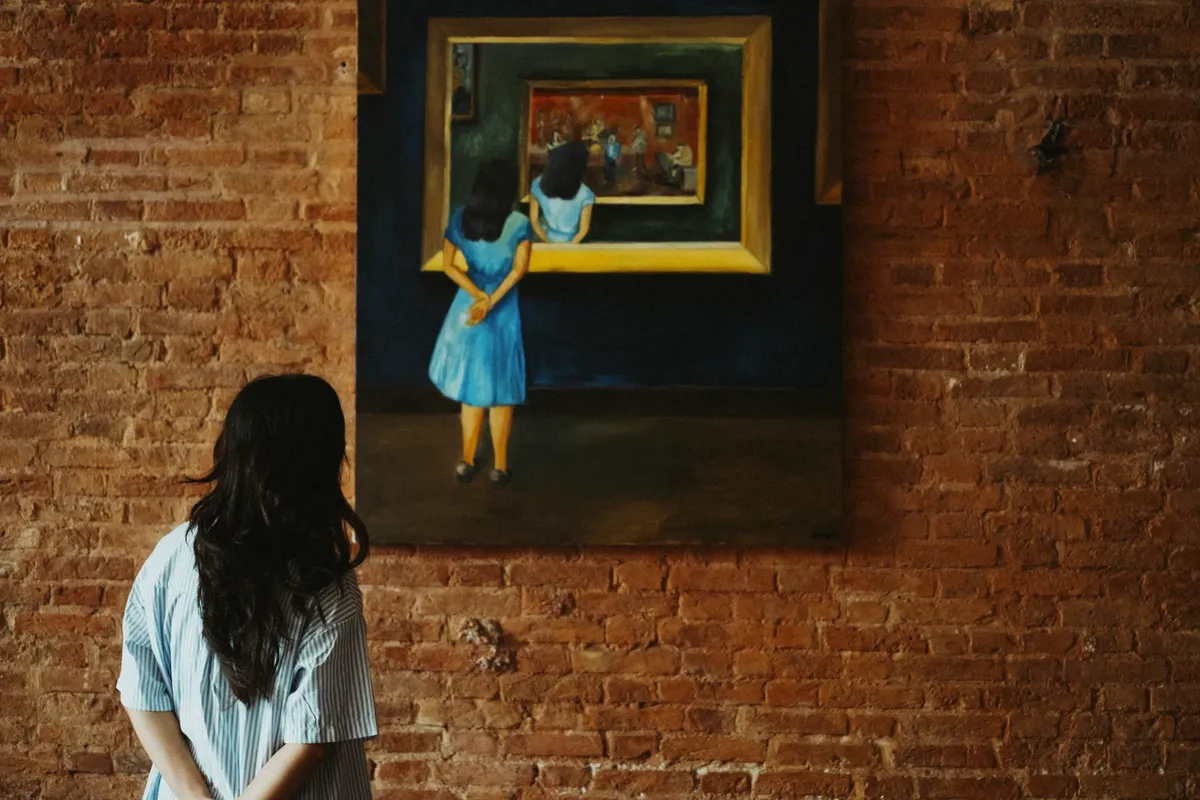
The meaning of a portrait is often buried in the "attributes" included in the composition. A skull, a wilting flower, or a specific type of book can change a simple likeness into a profound meditation on life and death.
These symbols allow the artist to communicate complex ideas about the subject's character or the artist's own philosophy without saying a word.
To find these meanings, look at the relationship between the subject and their surroundings. The clothing, the background, and even the direction of a gaze provide clues to the social standing or the internal conflict of the person depicted.
This layering of meaning turns a static image into a living conversation between the subject and the observer.
- Observe the subject's gaze to establish an emotional connection.
- Analyze symbolic objects held by the sitter.
- Examine the interplay of light and shadow on facial features.
What role does historical context play in artistic expression?
The sounds of marching boots or the distant ringing of church bells drift through an open window, casting a shadow over the artist's easel as they work. Art does not exist in a vacuum; it is a direct reaction to the political, religious, and social upheavals of its time.
Danish artist Eva Helene Pade channels ideas of traditional pagan ritual in Forårsofret (The Rite of Spring), on view at the ARKEN Museum of Contemporary Art in Denmark through August 31, 2025.
History provides the "why" behind the "what" of an artwork. A period of war might lead to more fragmented, chaotic compositions, while an era of peace and prosperity might favor symmetry and classical proportions.
The artist is often a witness to their era, using their work to critique power, celebrate change, or mourn lost traditions.

When you view a masterpiece, consider the world the artist inhabited. The tools available, the patronage systems in place, and the prevailing scientific discoveries all shaped the visual language of the period.
Recognizing these external pressures helps you understand why certain styles became dominant or why certain subjects were chosen.
In this sequence, the second step is the most extensive.
Can technique change the way we perceive a story?
The artist's hand moves with frantic energy, sweeping wide strokes across the canvas to capture a fleeting moment of light before the sun dips below the horizon. Technique is the physical manifestation of an artist's thought process, turning abstract ideas into tangible visual experiences.
The way paint is applied—whether through smooth, invisible transitions or violent, visible strokes—dictals the "voice" of the painting. A smooth finish might suggest order, divinity, or perfection, while visible brushwork can convey raw emotion, movement, and the artist's own physical presence.
This tension between the subject and the medium creates the unique energy of a work.
Understanding technique involves looking at the artist's relationship with their materials. The choice of medium, the layering of glazes, or the use of unconventional tools can completely alter the intended narrative.
A technique that was revolutionary in its time often serves as a marker of an artist's unique contribution to the history of art.
Brushwork can dictate the pacing and emotional temperature of a visual narrative.
How do we apply these insights to our own viewing?
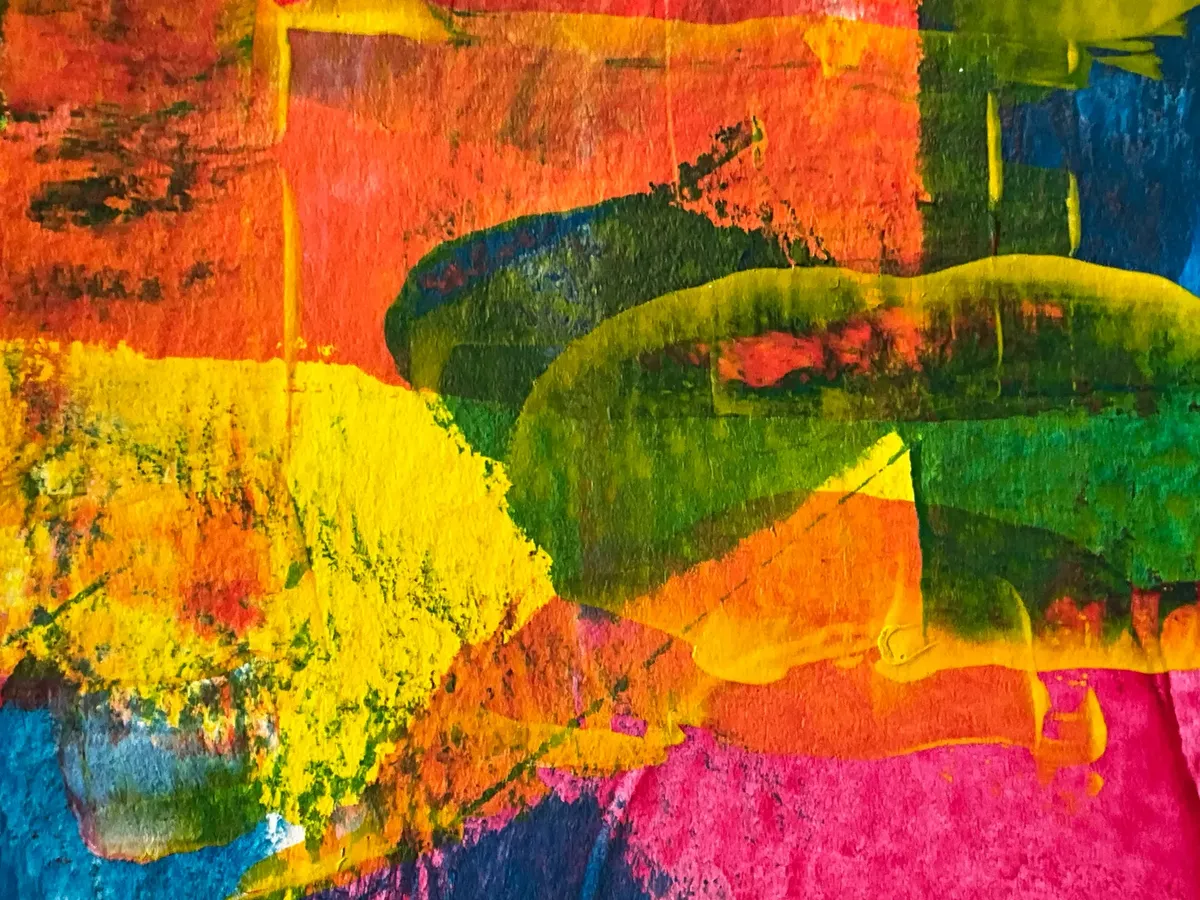
You walk through the hushed halls of a quiet museum, the cool air hitting your skin as you pause in front of a painting that seems to watch you back. Applying these layers of understanding turns a passive glance into an active, intellectual engagement with the art.
To deepen your engagement with any masterpiece, follow these steps:
- Observe the formal elements first, such as color, light, and composition, to establish your immediate emotional response. 2. Search for symbolic clues within the frame, looking for objects or gestures that might contradict or enhance the primary subject. 3. Research the specific historical period to see how the artist's environment might have dictated the style or subject matter.
By following this process, you move from merely seeing a picture to experiencing a complex intersection of history, emotion, and craft. This approach ensures that you are not just looking at paint on canvas, but engaging with the human spirit caught in a moment of time.
Active observation transforms a passive glance into a meaningful dialogue.
Is there a limit to interpreting art?
The artist sets down their brush, looking at the completed work with a mix of exhaustion and quiet satisfaction, knowing that some parts of the vision will remain forever private. While interpretation is a powerful tool, it is important to recognize the boundaries of our understanding.
Interpretation is an ongoing dialogue, but it must remain grounded in the reality of the work itself. We cannot project modern values or impossible narratives onto a piece without losing the artist's original intent.

The goal is to expand our understanding, not to rewrite the history of the artist's hand.
One limitation to consider is the specific material reality of the work. The original colors of a painting may have changed due to the aging of pigments or the degradation of varnish over centuries, meaning our current visual experience may differ from what the artist originally intended.
Meaning remains fluid as long as the viewer brings their own perspective to the canvas.
When I tried the steps in order, the second one is where I paused longest.
The subject here is How to interpret art metaphors.
The same subject is also called Decoding hidden art meanings.
The same subject is also called Understanding art symbolism.
The same subject is also called Finding depth in paintings.
The same subject is also called Analyzing artist intentions.
This part also covers Artistic insight through metaphor.
This part also covers Cultural metaphors in paintings.
This part also covers Literary meaning in fine art.
Artistic insight through metaphor
Related



Comments 0