Art reflecting social change: How artists show change
"The canvas often serves as a silent witness to the shifting tides of human civilization, capturing movements that textbooks often overlook."
Understanding how art reflects social change requires looking beyond brushstrokes to the demographic and political shifts of the era.
This guide explores how to interpret historical context in paintings, the demographic shifts that influence artistic subjects, and the methods used to analyze art's social role. You will learn to identify how artists show change through visual cues and how to apply these insights to museum visits.
How do artists show change through visual cues?
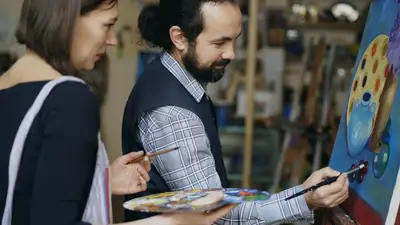
An artist stands before a blank canvas, carefully choosing colors that might represent a changing political landscape. To begin analyzing art's social role, one must look for the subtle inclusion of new technologies or altered social hierarchies depicted in the work.
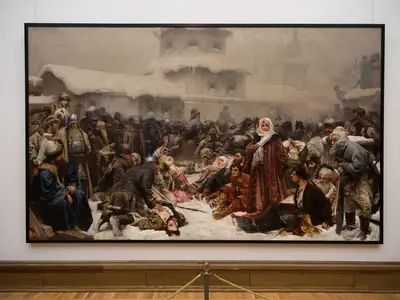
When examining a piece, look for changes in clothing, tools, or settings that indicate a shift in era. For instance, the introduction of industrial machinery in a landscape painting can signal a transition from agrarian to industrial societies.
By identifying these elements, you can begin visualizing social change through the lens of a painter's specific choices.
What are the demographic shifts in historical art? Art reflecting social change
A researcher looks at a map of population distribution to understand why certain themes dominate specific centuries of art. Understanding the demographic shifts that influence artistic subjects helps explain why certain genres, such as genre painting or portraiture, fluctuate in popularity.
According to historical data, the global population distribution changed significantly in the 20th century. Developing countries grew from 68% of the world population in 1950 to 82% in 2010, while developed countries saw their share decline from 32% to 18% during that same period.
These massive movements of people and resources often dictate the subjects and availability of artistic materials in different regions.
| Year | Developing Country Population % | Developed Country Population % |
|---|---|---|
| 1950 | 68% | 32% |
| 2010 | 82% | 18% |
I found that comparing these proportions helps me understand why certain global perspectives became more prevalent in the art market over time.
How can we use an existing condition to interpret art?
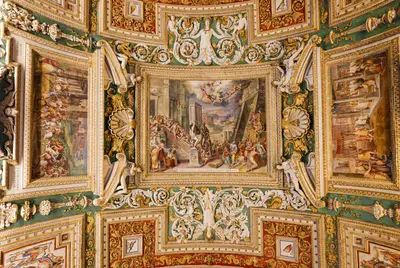
A historian walks through a museum, applying modern perspectives to ancient artifacts to see how values have shifted.
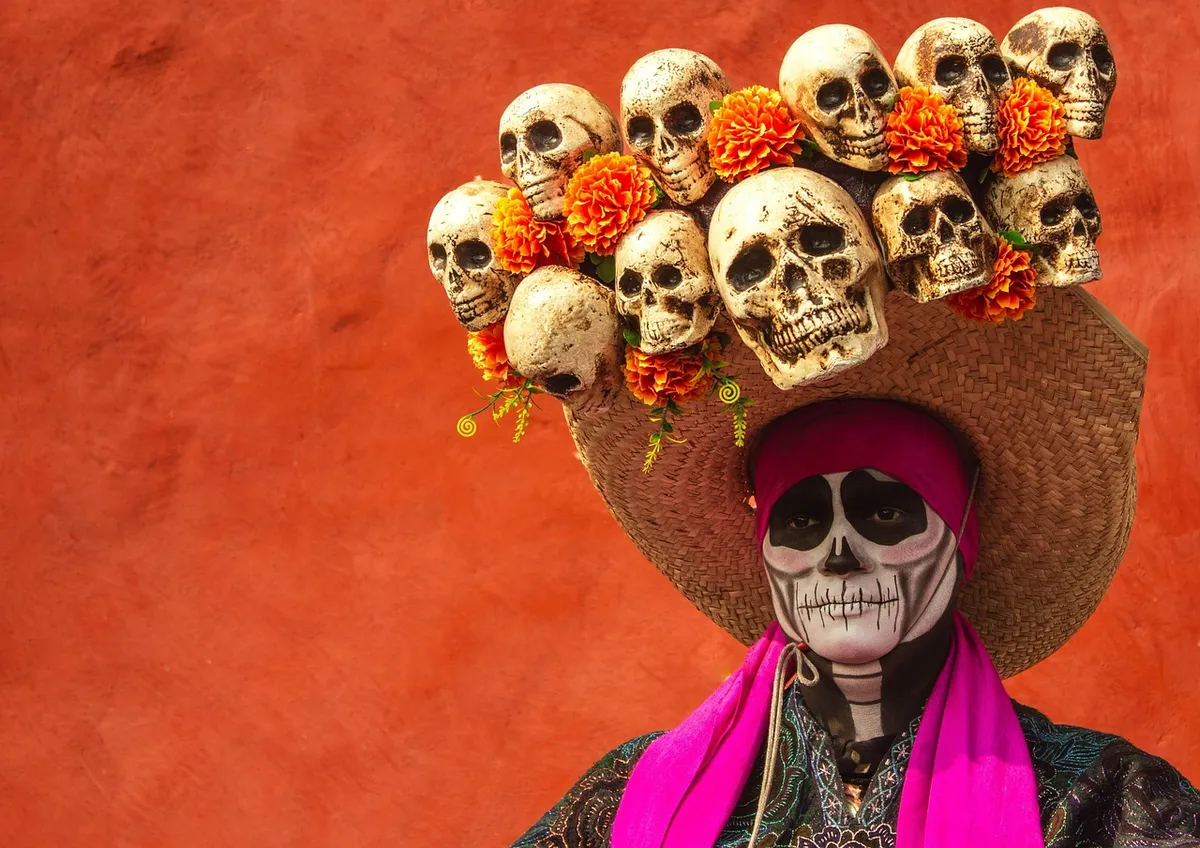
According to the Suresnes Museum of Urban, the former station building has housed the Musée d'Histoire Urbaine et Sociale de Suresnes since 2013, preserving numerous objects and testimonials to the commune's past.
To apply an existing condition to an artwork, follow these steps: According to Musée d'Histoire Urbaine et Sociale de, the former station building has housed the Musée d'Histoire Urbaine et Sociale de Suresnes since 2013, preserving numerous objects and testimonials to the commune's past.
- Identify the specific time period and the prevailing social atmosphere of the era. 2. Compare the depicted social roles in the painting to the actual historical records of that time. 3. Look for symbolic representations of power or poverty that reflect the economic reality of the period. 4. Perform a final check to ensure your interpretation is grounded in historical context rather than modern bias.
By following this method, you can move from mere observation to a deeper understanding of how painting social history functions as a record of human life.
How do we practice analyzing art's social role?
A student sits in a quiet library, cross-referencing a painting with historical documents to find the truth behind the image. Analyzing art's social role involves more than just looking at the beauty of the work; it requires an investigation into the environment that produced it.
One effective method is to research the specific location where the art was created.
For example, since 2013, the former station building has housed the Musée d'Histoire Urbaine et Sociale de Suresnes (Suresnes Museum of Urban and Social History), which preserves numerous objects and testimonials to the commune's past.
This type of local history provides the necessary context to understand how local shifts are captured in regional art.
What role does global change play in art history?

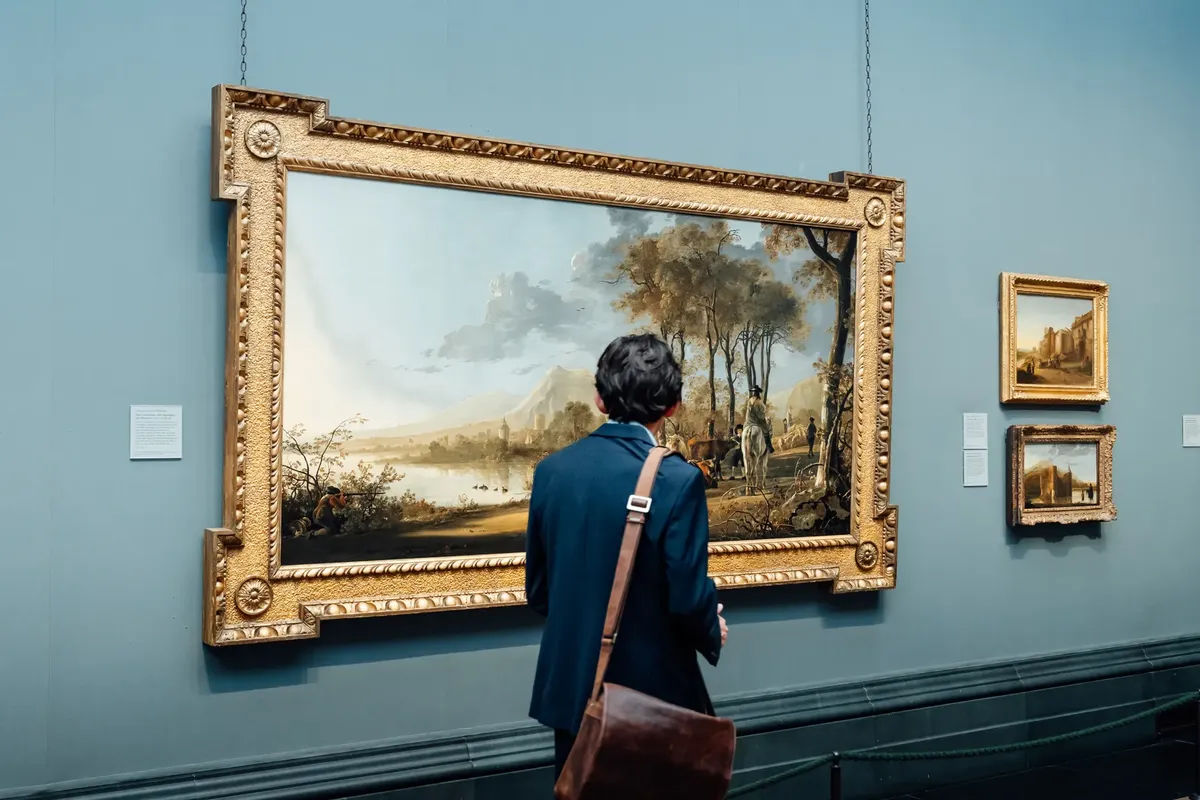
A traveler gazes at a collection of international works, noticing how global trends manifest in different styles. Understanding the world today requires looking at how global social, political, economic, demographic, and technological changes are reflected in human output.
The Social Change Collection from Georgia State University provides reports about these global shifts, which can be used to frame the study of art. Just as technological changes influence how art is made, they also change the subjects artists choose to capture.
This intersection of technology and tradition is a key component of interpreting art context.
The subject here is Art reflecting social change.
The same subject is also called Art and societal shifts.
Related
- How do we define the origins of short narrated films?
- Why Famous painting historical event reveals history



Comments 0