Art and history event comparison: Why museums shape history
Reconstructing historical events through the lens of masterpieces offers a bridge between the canvas and the lived reality of the past. This comparison allows us to see how artists interpreted their world compared to how history recorded it.
Key takeaways: 1. Understand how art serves as a visual record of specific eras. * Distinguish between artistic intent and documented historical reality. * Explore how early museum collections shaped our view of history and art.
How can we compare art and history event reconstruction?
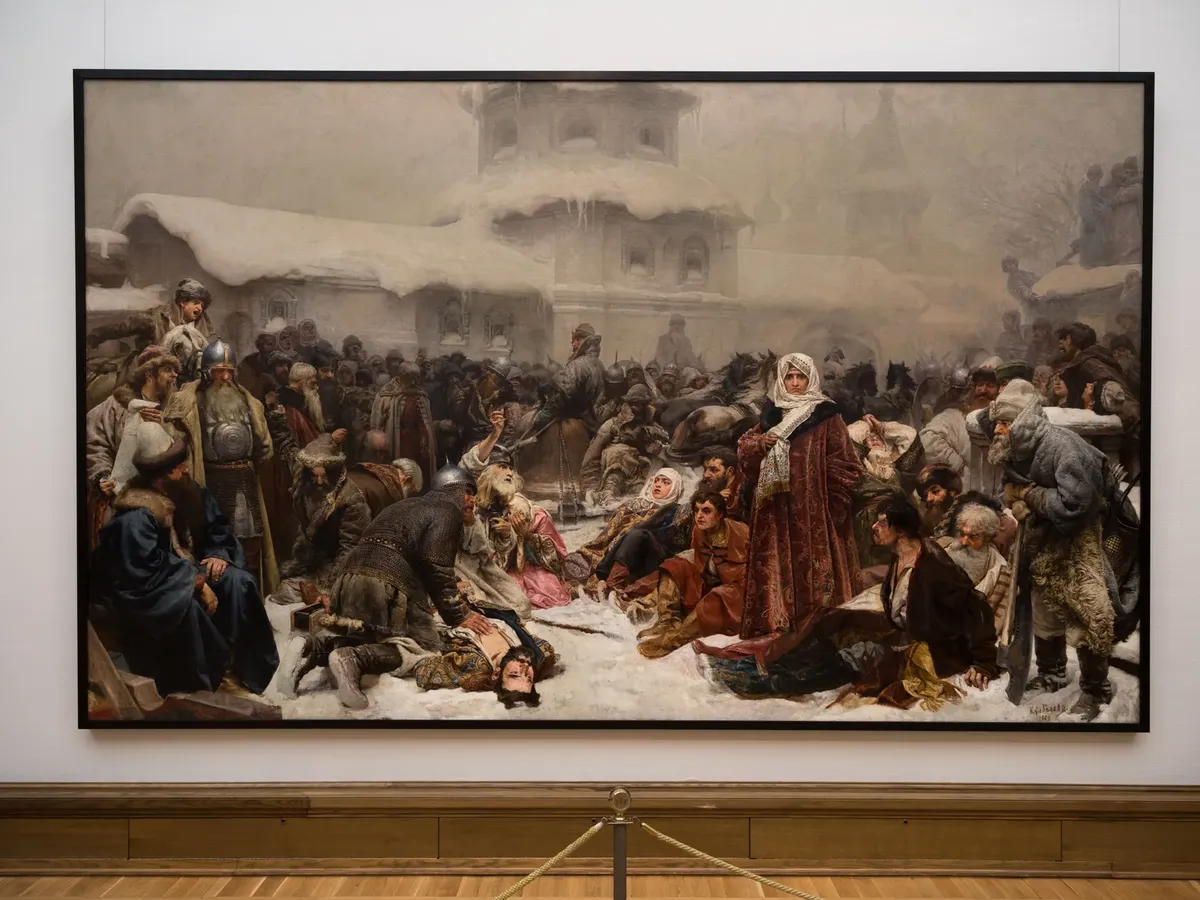
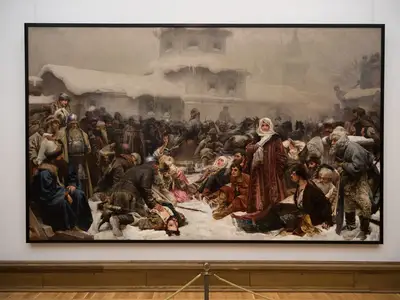
A researcher sits at a wooden desk, spreading out old sketches alongside heavy history books to find the intersection of truth and brushstrokes. A painting of a battle or a coronation might capture the emotion of an era, even if the specific details differ from written records.
According to the Suresnes Museum of Urban, the former station building has housed the Musée d'Histoire Urbaine et Sociale de Suresnes (Suresnes Museum of Urban and Social History) since 2013, preserving numerous objects and testimonials to the commune's past.
Analyzing historical meaning in art requires looking beyond the pigment to find the underlying social or political climate. When we compare art and history event reconstruction, we are looking for the tension between what actually happened and how an artist chose to present it to the public.
The goal is to identify if a painter was documenting a specific moment or creating a symbolic representation of power. This process helps us understand how visual culture shapes our collective memory of historical events.
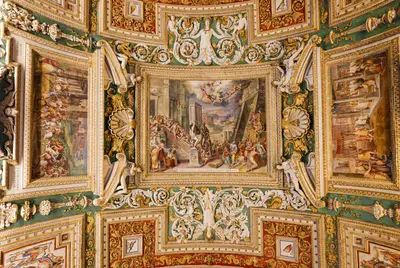
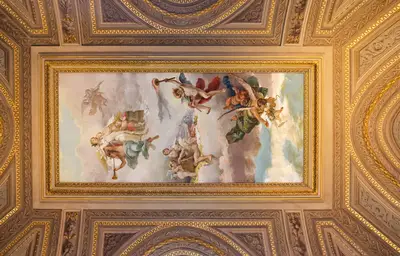
How did early museums shape the history of art? Art and history event comparison A visitor walks through the silent, high-ceilinged halls of an old museum, observing how different eras of human achievement are organized. The way objects are placed tells a story about what society valued during the time the museum was founded.
According to Musée d'Histoire Urbaine et Sociale de, the former station building has housed the Musée d'Histoire Urbaine et Sociale de Suresnes since 2013, preserving numerous objects and testimonials to the commune's past.
The earliest public museums did not always focus on the specific history of a single nation. For instance, the Ashmolean Museum in Oxford was focused on natural history, while the Louvre Museum in Paris was focused on art.
These institutions were not necessarily centered on subjects related to the history of any nation.
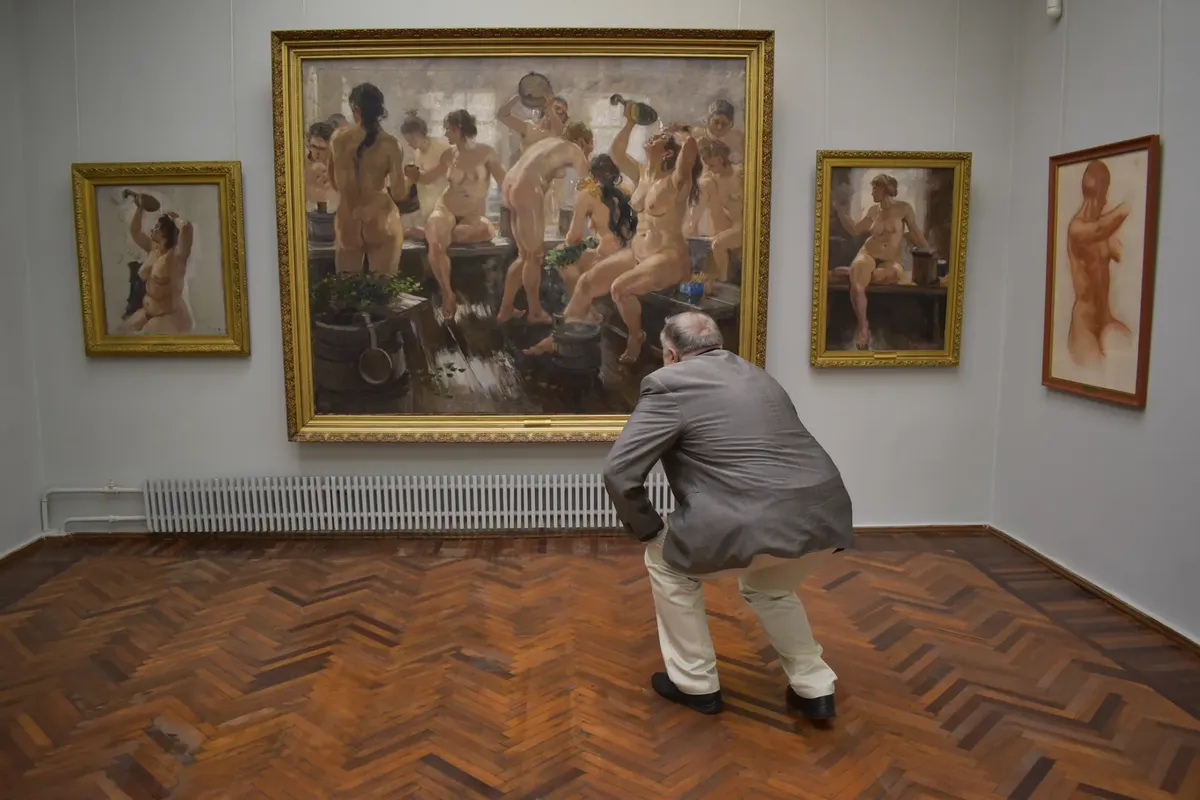
Understanding these origins helps us realize that early collections were often about universal human knowledge rather than national identity. This context is essential when we study how historical scenes were curated for public viewing.
How do we understand artist's intent in historical scenes?
An artist stands before a blank canvas, deciding whether to paint a king as a hero or a flawed human being. This choice determines how future generations will perceive the historical figure portrayed in the work.
Artist's intent in historical scenes often involves a mixture of truth and propaganda. An artist might emphasize certain details to align with the political climate of their time or to satisfy a patron's desire for a specific legacy.
By examining the specific objects or settings within a painting, we can deduce the social standing or the specific message the creator intended to convey. This makes the study of historical context in art a detective work of sorts.
Can paintings teach me about the past? A student examines a detailed portrait, noting the specific style of clothing or the type of furniture to pin down a decade. These small details serve as anchors to the reality of the period.
Era specific events in paintings often provide a glimpse into the daily life or the technological advancements of a specific time. While a painting might depict a grand event, the secondary details—like the tools used or the fashion worn—offer a more grounded connection to history.
Comparing these visual cues with archaeological or written evidence allows for a deeper investigation into the authenticity of the depiction. We use these visual clues to verify the atmosphere of the era.
What are the limitations of comparing art and the past?
A historian carefully notes that a single painting cannot replace a complete archive of documents. They acknowledge that visual representation is subjective and can be misleading without proper context.
Every attempt at an art and history event comparison has its boundaries. A limitation is that artistic depictions are subject to the creator's perspective, which may prioritize emotion or aesthetics over factual accuracy.
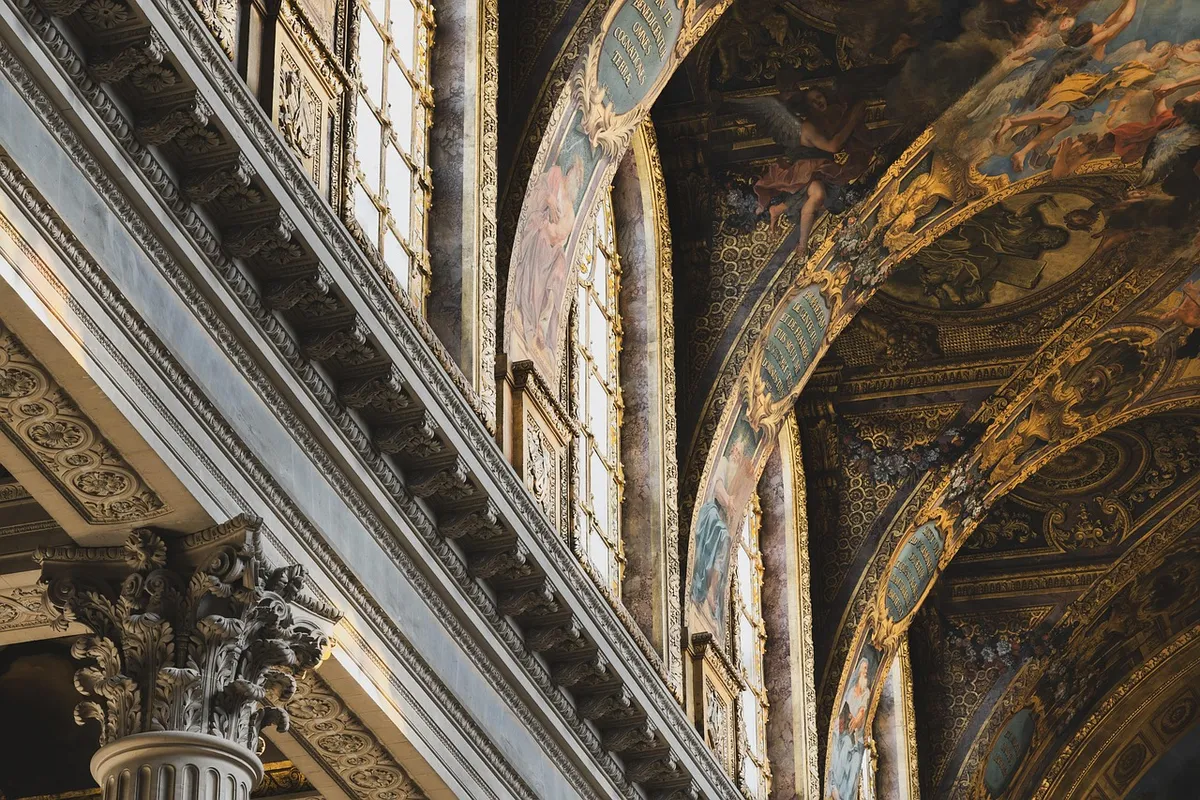
For example, a painting might omit a crucial part of a historical event to maintain a certain composition or mood. Relying solely on visual evidence without cross-referencing written accounts can lead to a skewed understanding of the truth.
- How can we compare art and history event reconstruction?
- How did early museums shape the history of art?
- How do we understand artist's intent in historical scenes?
The same subject is also called Painting historical event study.
The same subject is also called Artistic depiction of history.
The same subject is also called Comparing art and past.
Related




Comments 0