Art communication in paintings: Why art shows connection
"Art serves as a silent dialogue, where every brushstroke and gaze captures the complexities of human connection across centuries."
Understanding the meaning of communication in famous paintings allows us to decode the social interactions and interpersonal relationships of the past. This guide explores how visual elements reveal historical social dynamics and provides tips for interpreting these silent exchanges.
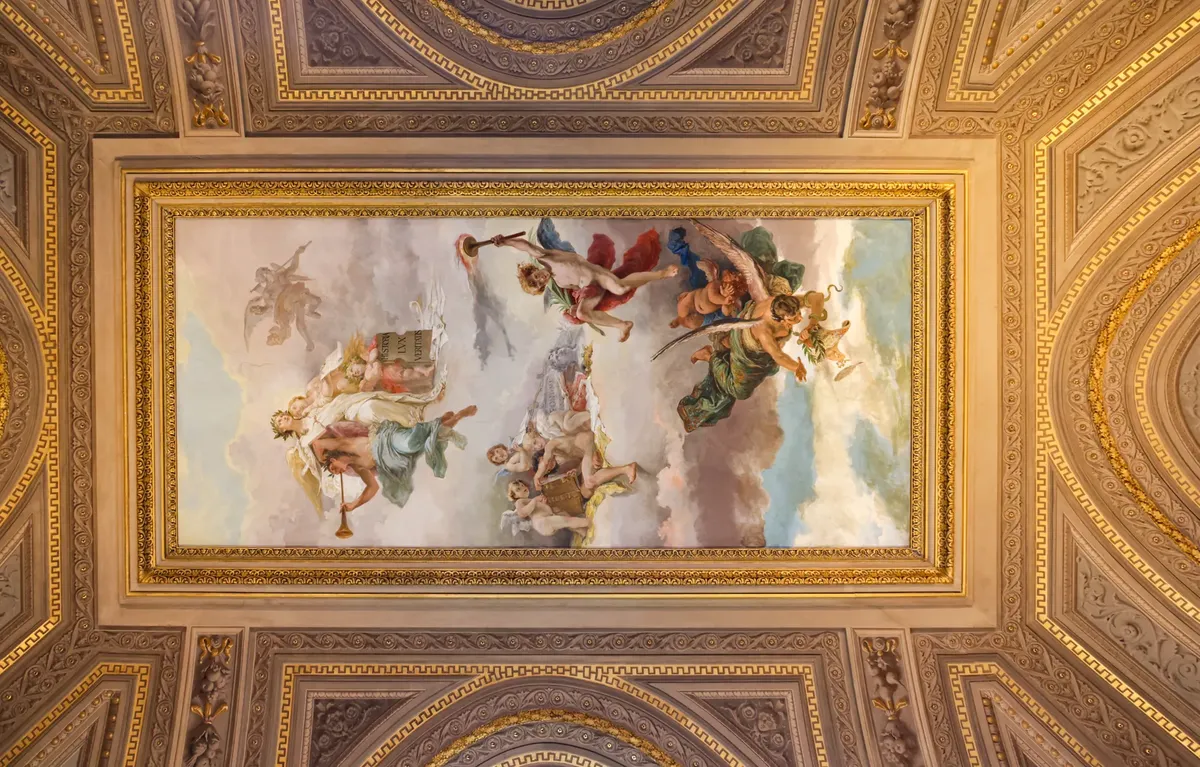
We will look at how art captures human connection, recognize the historical context of these interactions, and identify how symbolic gestures act as a language of their own.
How does art illustrate the history of human relations?
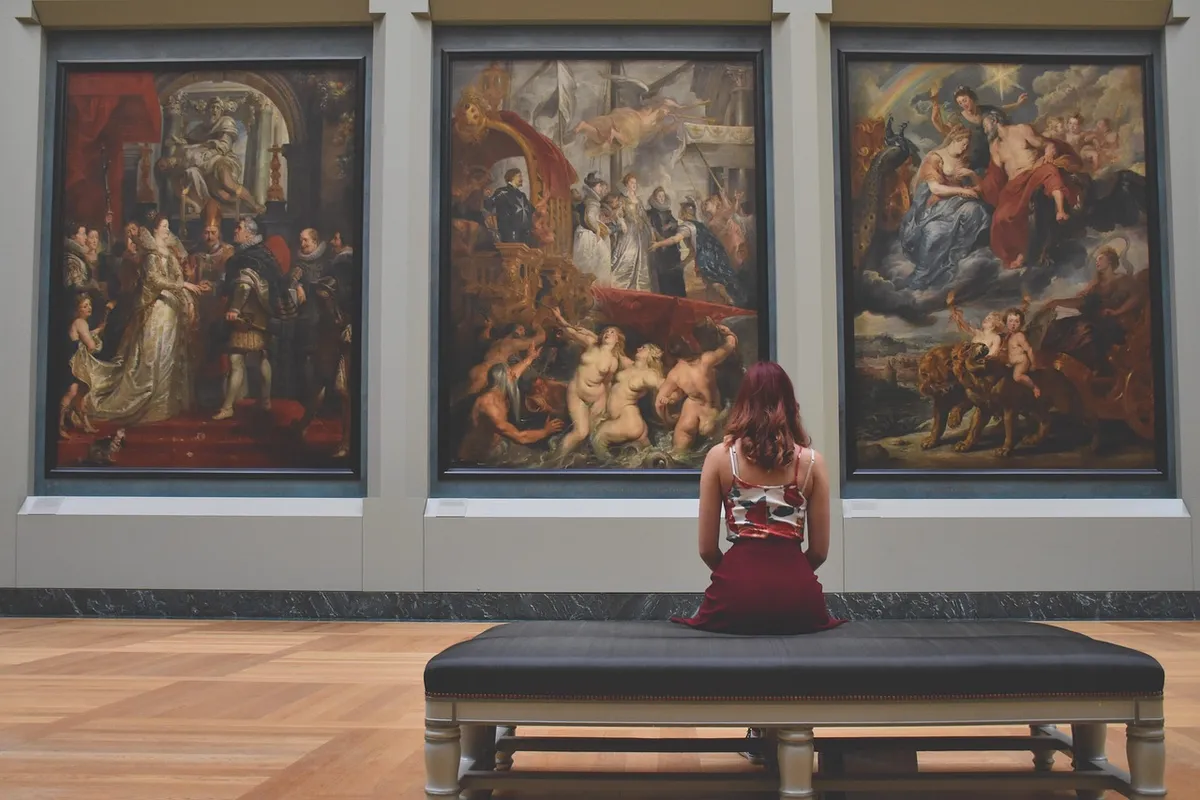
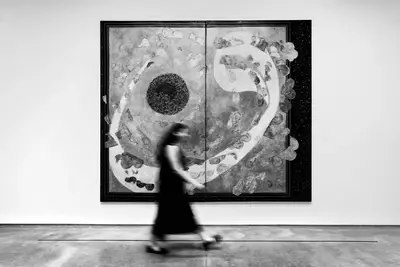
A viewer stands before a massive canvas, observing how two figures lean toward one another in a crowded room. This visual representation of social interaction provides a window into how people expressed intimacy or authority in different eras.
According to UNESCO, Kerala's Koodiyattam is among the oldest surviving theatrical traditions, and UNESCO declared it a masterpiece of human heritage in 2001.
Artistic depictions of communication often reflect the social norms of the period in which they were created. By studying how subjects look at each other or hold their hands, we can see the evolution of human relations through the lens of the artist.
This visual communication history shows us that while technology changes, the fundamental essence of human connection remains a central theme in fine art.
However, this illustrative power may be limited when art is purely abstract and lacks representational subjects.
What can we learn from the history of visual communication?
A hand reaches out toward a companion, frozen in a moment of shared understanding. This specific type of painting social interaction allows us to see the subtle power dynamics that governed historical societies.
The history of art is essentially a history of how humans perceived their own presence within a community. Through the way artists compose scenes, they convey the shifting nature of human connection and the changing rules of social engagement.
Understanding these nuances helps us interpret the dialogue intended by the creator, bridging the gap between the past and the present.
This historical progression shows how visual languages evolve to meet the needs of changing societies.
How to interpret the symbolism in fine art?
A single object, such as a letter or a specific flower, sits on a table between two people in a quiet study. Identifying these elements is key to understanding the deeper layers of meaning within a composition.
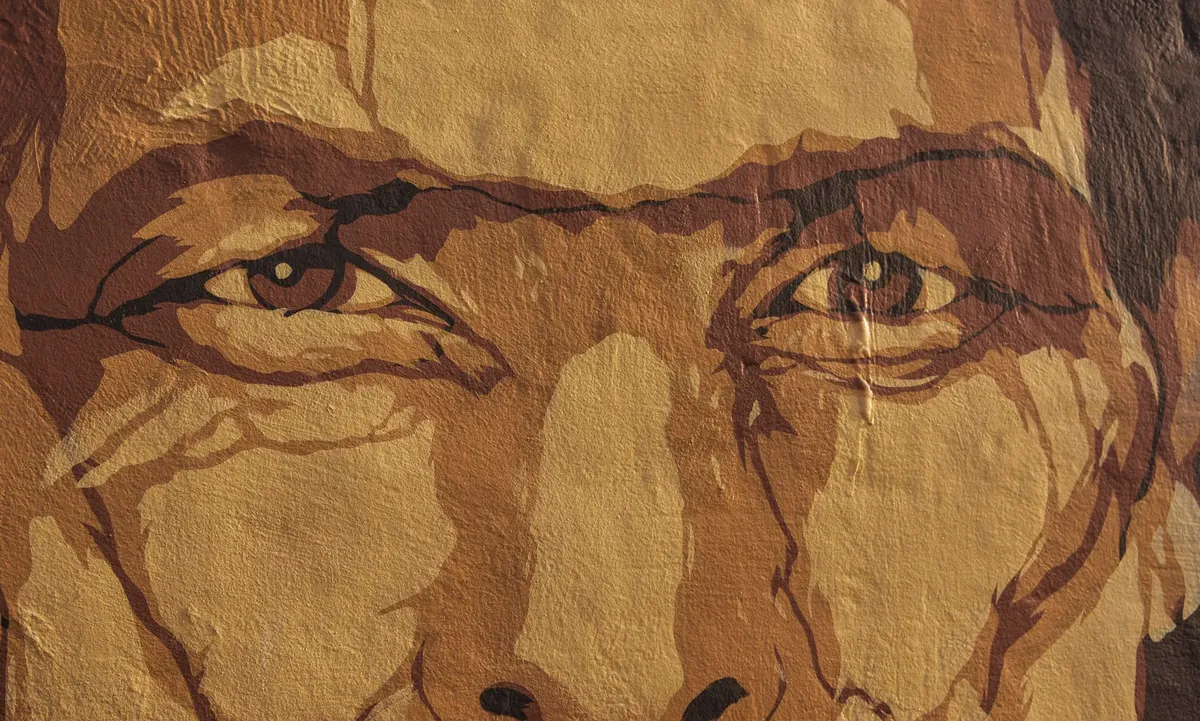
To grasp the depth of these works, we can follow these steps:
- Observe the eye contact and physical distance between subjects to identify the level of intimacy or tension. 2. Analyze the placement of objects to see how they might symbolize a message or a specific social status. 3. Examine the gestures and body language to uncover the emotional tone of the interaction.
I often find myself looking at the hands of subjects in portraits to see what unspoken truths they might be telling. This careful observation allows us to move beyond the surface and engage with the intended narrative of the artist.
This process requires careful observation of the subtle cues left by the creator.
What is the relationship between art and human relations?
A group of people gathers around a central figure, their expressions revealing a complex web of social ties. This scene demonstrates how art can serve as a record of collective human behavior.
The intersection of art and human relations is found in the way artists capture the tension between the individual and the group. By studying these works, we gain insight into the psychological aspects of social interaction and how identity was communicated through visual cues.
This perspective turns a simple viewing into a profound study of human nature.
| Element of Communication | Focus of Interpretation |
|---|---|
| Gestures and Posture | Physicality of interaction |
| Eye Contact and Gaze | Direction of emotional focus |
The connection remains complex and subjective to each individual viewer.
How does the historical context of art talk influence our view?
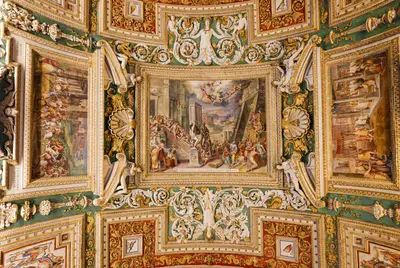
An old masterpiece hangs in a quiet hall, its colors faded but its message still clear to the modern observer. The historical context of the era provides the necessary framework to understand why certain interactions were depicted in specific ways.
The historical context of art talk involves understanding the political, religious, and social pressures that shaped artistic expression.
For example, a formal portrait from a specific century might use rigid poses to communicate status, whereas a more modern work might use fluid movement to show freedom. Recognizing these shifts helps us see how the evolution of society directly influenced the way people were portrayed.
Understanding the era provides the necessary lens to see beyond the canvas.
- How does art illustrate the history of human relations?
- What can we learn from the history of visual communication?
- How to interpret the symbolism in fine art?
Art communication in paintings
The subject here is Art communication in paintings.
This part also covers How art shows social change.
Related
- Machine in famous art history: Guide to social change
- Science in famous paintings: Babylonian π approximation tips
How does the artist's intent affect the interpretation of these silent dialogues?
The artist's intent dictates the primary focus of the visual narrative, guiding the viewer toward a specific understanding of the human connection depicted. Recognizing this intent allows the viewer to appreciate how the artwork serves as a deliberate commentary on its time.
The artist uses the canvas to project a particular view of social dynamics, making the interpretation a dialogue between the creator and the observer.
When the artist intends to convey tension, the composition will likely emphasize negative space or sharp angles between figures. Conversely, if the intent is to show harmony, the elements will likely align in a balanced manner, reinforcing the positive aspects of the human connection.
This understanding helps us move beyond mere description to true analysis of the artwork's message.
In this sequence, the final step of reconciling intent with perception is the most profound.
What cautions should a viewer keep in mind when analyzing art?
One caution is to avoid projecting personal modern assumptions onto historical scenes, as the social norms of the past dictated the visual language. Another caution involves recognizing that symbolism is rarely singular; an object might carry multiple layers of meaning depending on the context.
A viewer must remember that art serves as a record, not necessarily a definitive statement on all human experience.
The interpretation process requires patience, allowing the viewer to absorb the subtle cues that the artist deliberately embedded. When examining the interplay of light and shadow, one must consider how this contrast might serve to highlight or obscure aspects of the relationship being portrayed.
This careful approach ensures that the silent dialogue is respected as the artist intended.




Comments 0