Art of scientific discovery: How resource changes affect art
"Art is not just a mirror of reality, but a canvas where the changing understanding of the physical world is captured through pigment and light."
The intersection of science and art reveals how human discovery shaped the visual language of history. This exploration looks at how breakthroughs in optics, chemistry, and metallurgy have left their marks on masterpieces and the materials used to create them.
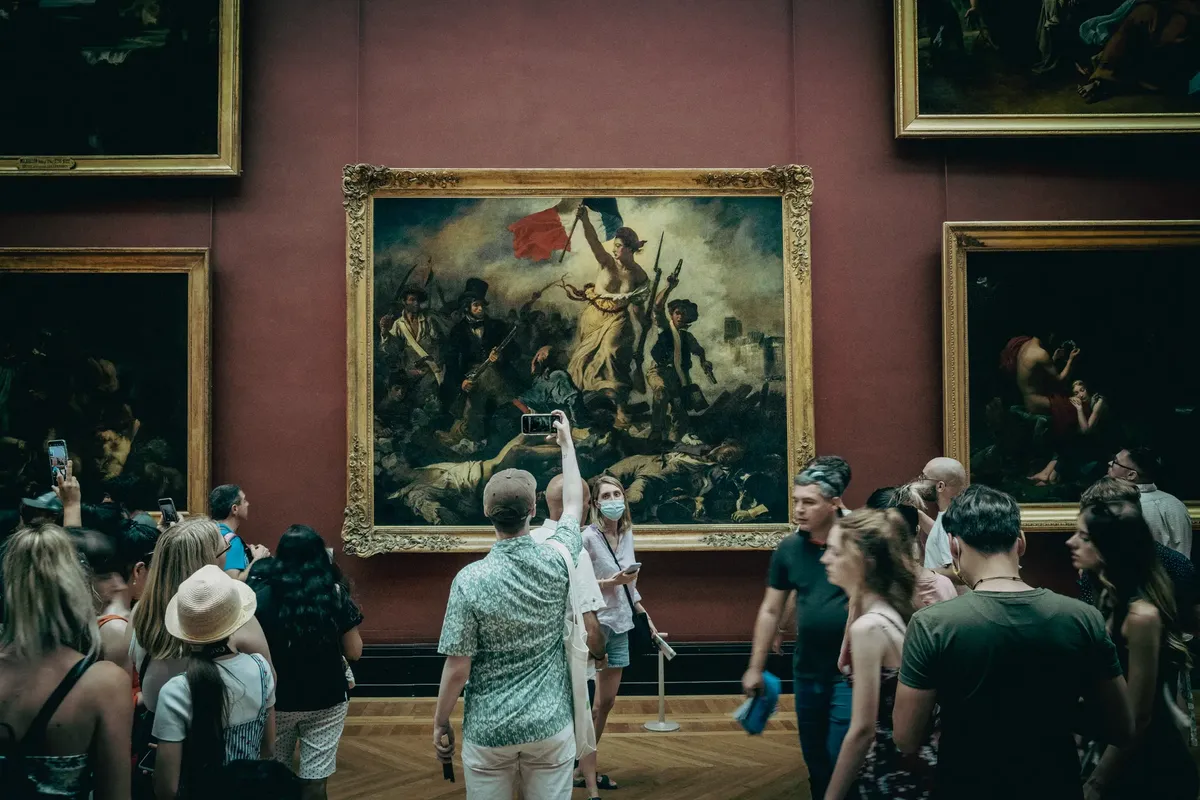
Key takeaways: * Scientific advancements often dictate the techniques and materials available to artists. * Historical shifts in resource availability changed the physical composition of art. * Understanding the science behind the canvas enriches the appreciation of the masterpiece.
How do scientific discoveries influence art?
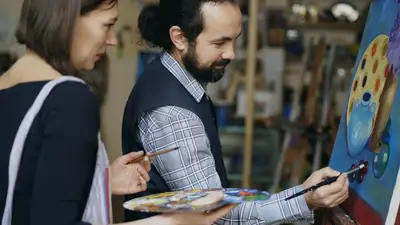
An artist stands before a blank canvas, holding a tube of pigment that was once an impossible dream of chemistry. This interaction between laboratory breakthroughs and studio practice defines the evolution of visual culture.
Science in famous paintings often involves the mastery of light and the chemical stability of colors. Before modern synthetic pigments, artists relied on minerals and organic matter that were difficult to stabilize.
When scientific progress allowed for more consistent color production, the palette of the artist expanded significantly.
The development of new optical tools also changed how painters perceived depth and perspective. Artists began to use their understanding of light refraction to create more convincing three-dimensional spaces.
This marriage of observation and experimentation turned the canvas into a playground for scientific inquiry.
How are art and scientific history linked? Art of scientific discovery A researcher examines an old painting under ultraviolet light to reveal hidden layers of history. This process shows that art is often a living record of the technical knowledge of its time.
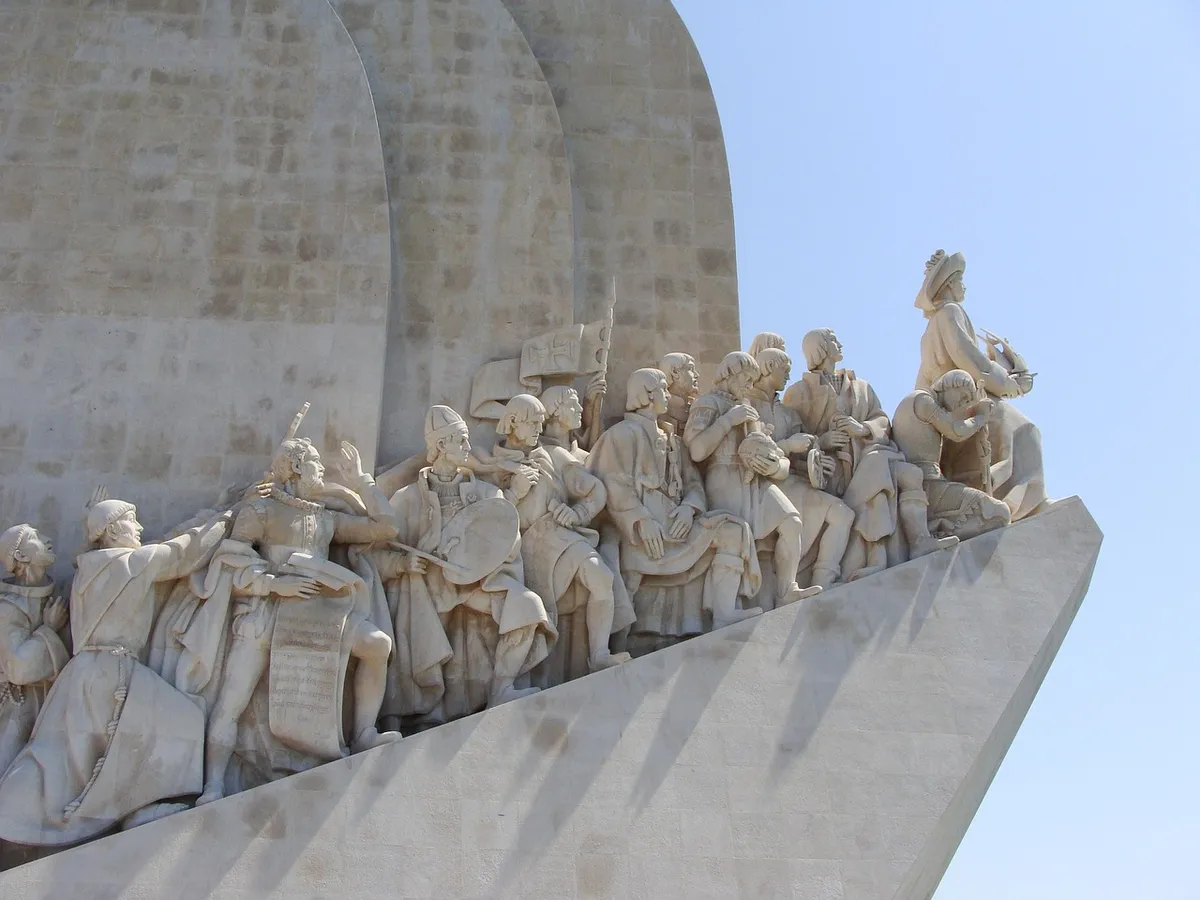
Art and scientific history are deeply intertwined through the evolution of tools and materials. For instance, the transition from natural to synthetic dyes changed the vibrancy and longevity of works. This shift allowed for much broader creative expression across different eras.
Paintings of scientific leaps often reflect the curiosity of the age. When new discoveries in physics or biology occur, they frequently find their way into the symbolism and composition of contemporary works. This cycle ensures that art remains a contemporary witness to human progress.
How can we see the impact of resource changes in art?
A conservator carefully cleans a bronze sculpture, noting the shifts in metal composition over decades. Such work highlights how the availability of materials dictates the durability and style of historical objects.
The physical makeup of art is subject to the availability of raw materials. For example, in the US, in-use copper grew from 73 to 238 kg per capita between 1932 and 1999.
Such shifts in resource availability can change everything from the tools used in sculpture to the pigments used in large-scale installations.
The changing availability of metals and minerals has historically dictated the scale and medium of artistic production. When certain elements become more accessible, artists can experiment with larger or more complex forms.
This constant flux of resources ensures that the medium of art is always evolving alongside human industry.
What scientific secrets are hidden in art? An observer looks closely at a portrait, noticing how the play of shadow suggests a mastery of light physics. These subtle details often point to the scientific understanding held by the artist.
Meaningful artistic expressions often hide scientific truths within their layers. An artist might use a specific type of glaze to mimic the way light travels through water or atmosphere. This demonstrates a practical application of optics without the need for explicit scientific diagrams.
The use of perspective and anatomical accuracy serves as a bridge between art and science. By applying geometric principles, artists were able to conquer the illusion of space.
This ability to represent the physical world accurately was a triumph of both artistic skill and mathematical understanding.
What is the role of historical background in understanding art?
A historian walks through a museum, connecting the social shifts of the past to the themes on the walls. Every piece of art carries the weight of the scientific and social environment in which it was made.
According to the Musée d'Histoire Urbaine et Sociale de, the former station building has housed the Musée d'Histoire Urbaine et Sociale de Suresnes (Suresnes Museum of Urban and Social History) since 2013, preserving numerous objects and testimonials to the commune's past.
Understanding the historical context is vital for decoding the intent of a masterpiece. The tools, social structures, and scientific knowledge of a specific era act as the invisible framework for every creation. Without this context, the technical brilliance of a work might be missed.
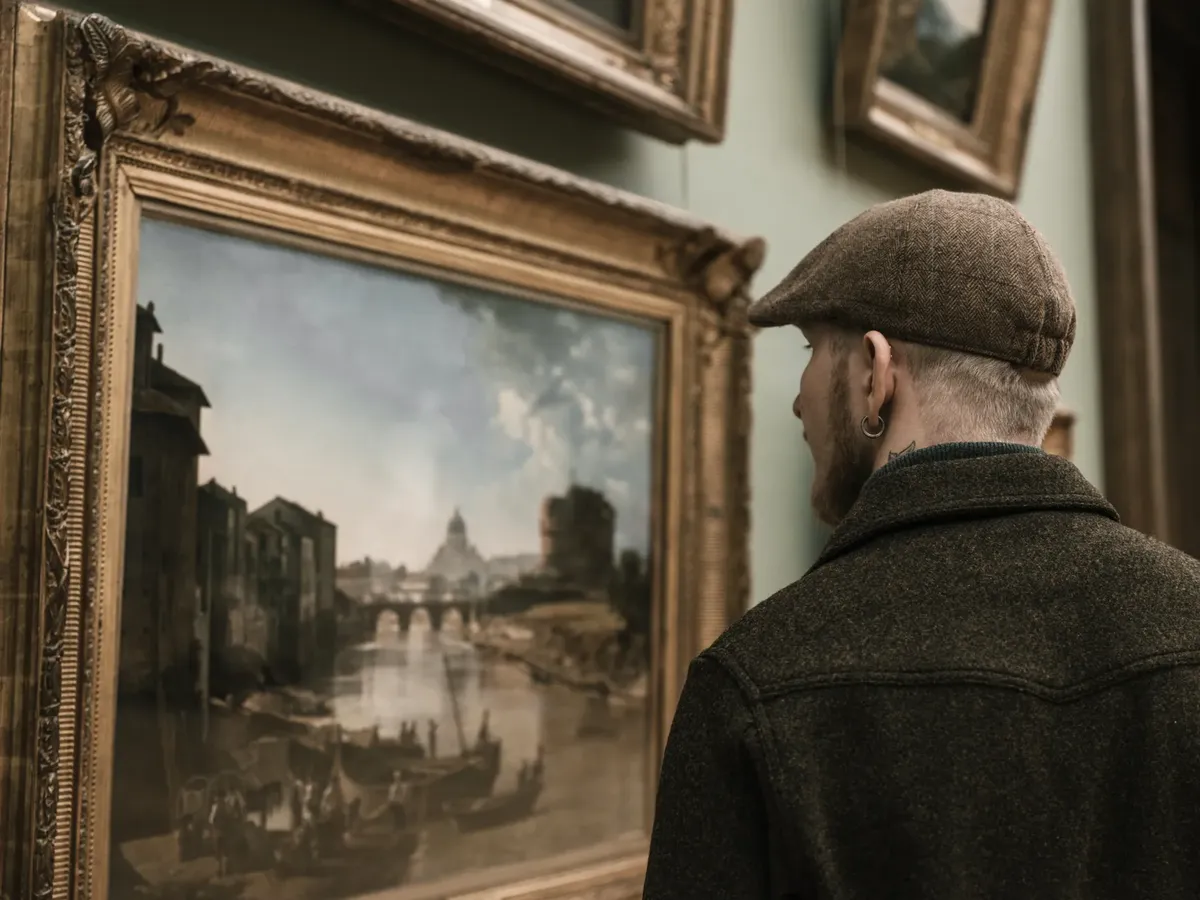
The environment of the time often dictates the subject matter and the techniques used. For example, an era of rapid industrialization might lead to art that focuses on new machinery or urban landscapes. This connection ensures that art remains a vital component of the historical record.
The subject here is Art of scientific discovery.
The same subject is also called Meaning of science in art.
This part also covers Famous art showing science.
This part also covers How art reflects science.
This part also covers Artistic views on discovery.
Famous art showing science
Related
- Ancient city in famous paintings: How to guide viewers
- Art of world origins: Understanding art's human beginnings
How does the understanding of 'reality' change through art? 1. Art serves as a canvas where the changing understanding of the physical world is captured through pigment and light, moving beyond being just a mirror of reality. 2. The way artists interpret light refraction, for example, demonstrates a shift in how they perceived the physical world. 3. When artists apply geometric principles, they are actively constructing a representation of reality based on contemporary mathematical understanding.
This active construction shows that the artwork is not merely reflecting the existing reality but is participating in its definition. The visual language evolves as scientific comprehension deepens.
What are the limitations when viewing art scientifically? 1. The study of science in art is limited to the physical and technical aspects of the work. 2. This technical focus does not account for the purely emotional or subjective experiences of the viewer when viewing the artwork. 3. Therefore, while science explains the 'how' of the creation, it cannot fully explain the 'why' of its emotional impact on the observer.
Even when an artwork is a mirror of reality, the subjective experience remains outside the scope of scientific analysis. The technical mastery does not equate to the viewer's personal connection to the piece.


Comments 0