Art story truth value: How narrative shapes legacy guide
"The weight of a story lies not just in the brushstrokes, but in the truth of the history behind the frame."
Authenticity in fine art ensures that the narrative surrounding a masterpiece remains a reliable guide for historians and enthusiasts alike. This integrity preserves the artistic value of story, preventing the erosion of meaning over time.
This guide explores how narrative truth shapes legacy, how to recognize historical depth, and the limitations of interpreting intent.
Why does authenticity in fine art matter?
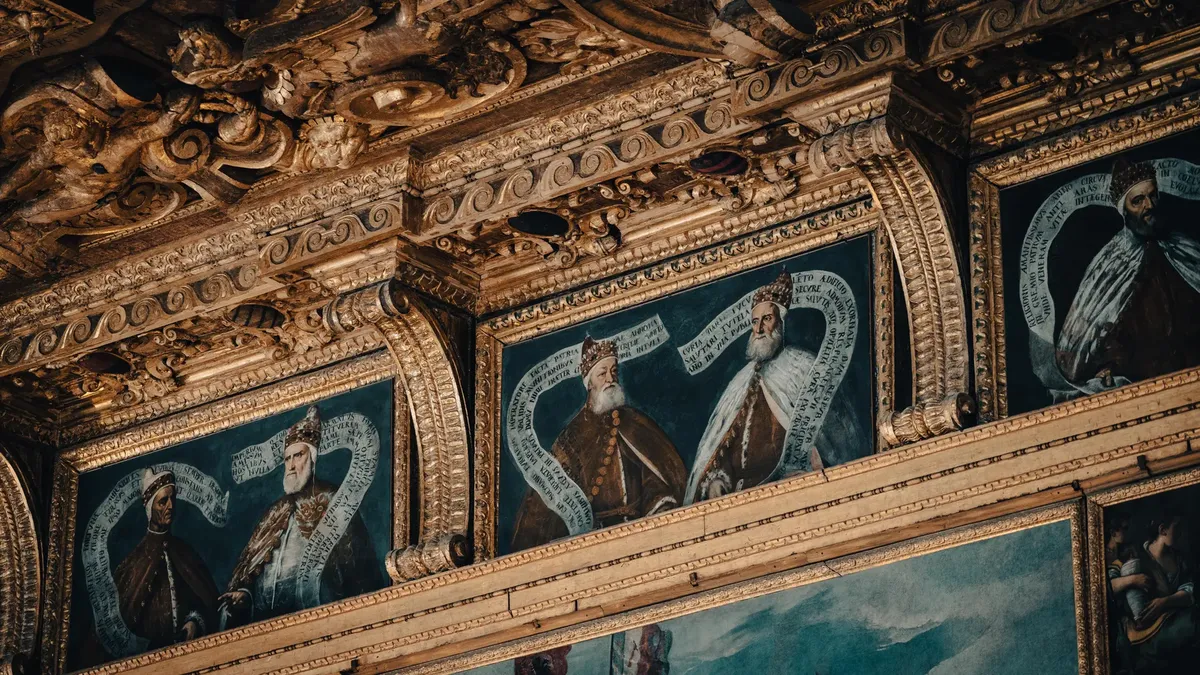
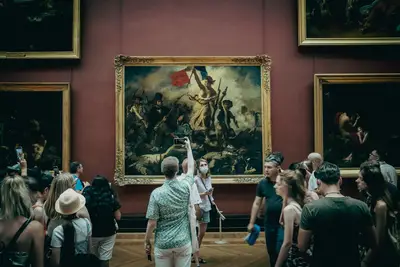
A curator stands before a canvas, tracing the lines of a story that has survived decades of scrutiny. The integrity of a painting's background provides the foundation for its lasting influence.
Authenticity in fine art acts as a safeguard against misinformation, ensuring that the relationship between the artist and the viewer remains grounded in reality. When the history of a work is verified, it prevents the dilution of its cultural significance.
Maintaining this truth allows the piece to maintain its relevance across different generations.
The importance of a reliable narrative is evident when looking at how legacies are built. A single false claim can shift the entire perception of a masterpiece, making historical accuracy a necessity for long-term value.
How does the artistic value of story affect legacy? Art story truth value
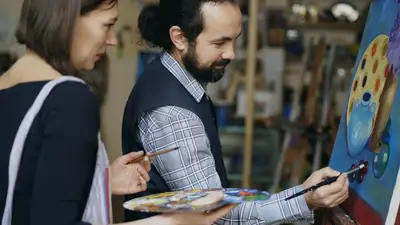
An artist sits in a quiet studio, refining a scene that will eventually tell a much larger tale to the world. They know that every detail contributes to a larger truth.
The artistic value of story is often tied to how well a narrative aligns with the documented life and intent of the creator. A strong, truthful narrative provides a cohesive experience that connects the viewer to the era of production.
This connection fosters a deeper appreciation for the technical skill and emotional depth of the work.
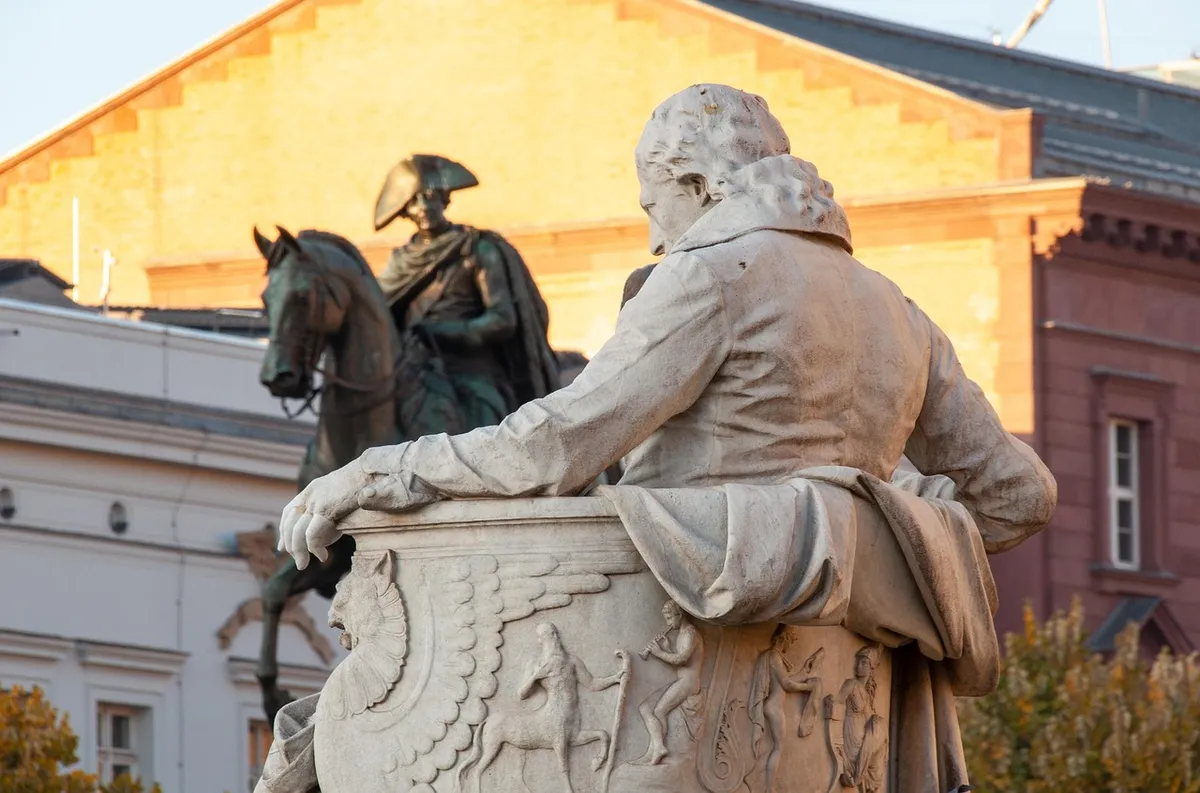
When a story is built on solid ground, it becomes more than just a visual experience; it becomes a piece of living history. This depth ensures that the work remains a subject of study rather than a mere curiosity.
How can we verify a painting history?
A researcher pulls a heavy, leather-bound volume from a library shelf to cross-reference a painting's origin. They search for the intersection of documented fact and visual evidence.
Verifying a painting history requires a methodical approach to both physical evidence and archival research. One must look for provenance, documentation, and the stylistic consistency of the period.
This process ensures that the story being told is not merely a modern invention but a reflection of the work's actual journey through time.
The goal is to separate myth from reality to protect the integrity of the art. By following established protocols, collectors and historians can build a reliable narrative.
- Examine physical evidence.
- Trace provenance records.
- Consult expert documentation.
How do we interpret artist intent?
A viewer gazes at a portrait, wondering what the subject was thinking during that specific moment in time. They look for clues in the gaze and the lighting.
Interpreting artist intent involves balancing the visual cues of the work with the known biographical facts of the creator. It is not about inventing new meanings but about understanding the possibilities presented by the artist's choices.
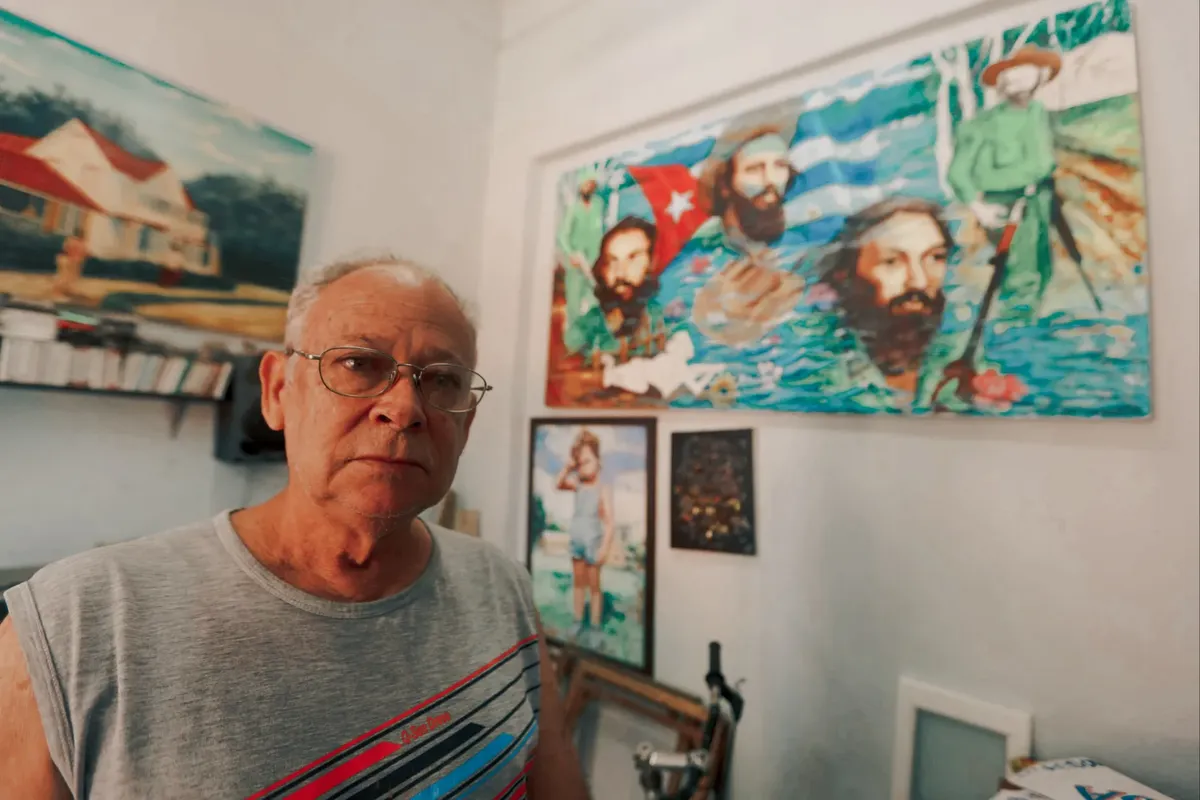
A truthful interpretation respects the boundaries of what the artist could have actually intended.
This careful balance prevents the narrative from becoming a projection of modern biases. It keeps the focus on the artist's original vision.
In this sequence, the second step is the most extensive.
Managing the narrative through changes
A producer watches a screen, realizing that certain scenes need more substance to meet the standards of the audience. They prepare to expand the story to ensure it is ready.
Sometimes, the development of a story requires adjustments to meet specific requirements. To ensure a project was ready for theaters, Lasseter had to add around 12 minutes of material and strengthen what was already there.
This kind of adjustment aims to enhance the existing narrative without compromising its core truth.
- Evaluate the existing material to identify gaps in the narrative. 2. Add necessary content to strengthen the emotional or structural integrity. 3. Perform a final check to ensure the new material aligns with the original vision.
I remember reviewing these types of adjustments, ensuring that every added minute served the primary goal of the project.
What are the limitations of storytelling?
A historian pauses, recognizing that no amount of research can fully capture the subjective experience of a lost era. They acknowledge the gaps that exist in every record.
A limitation of storytelling is that even with perfect documentation, the complete truth of an artist's internal state may remain unreachable.
For example, while the Academy Award for Best Animated Feature was introduced in 2001 after the first two Toy Story installments, the award itself does not validate the subjective truth of the stories told.
The subject here is Art story truth value.
The same subject is also called Painting narrative importance.
The same subject is also called Historical art credibility.
This part also covers How story boosts art value.
How story boosts art value
Related


Comments 0