Impressionism: 19th-Century Paris and the Light Revolution
"When the fleeting light stands still, we finally encounter the true colors of the world."
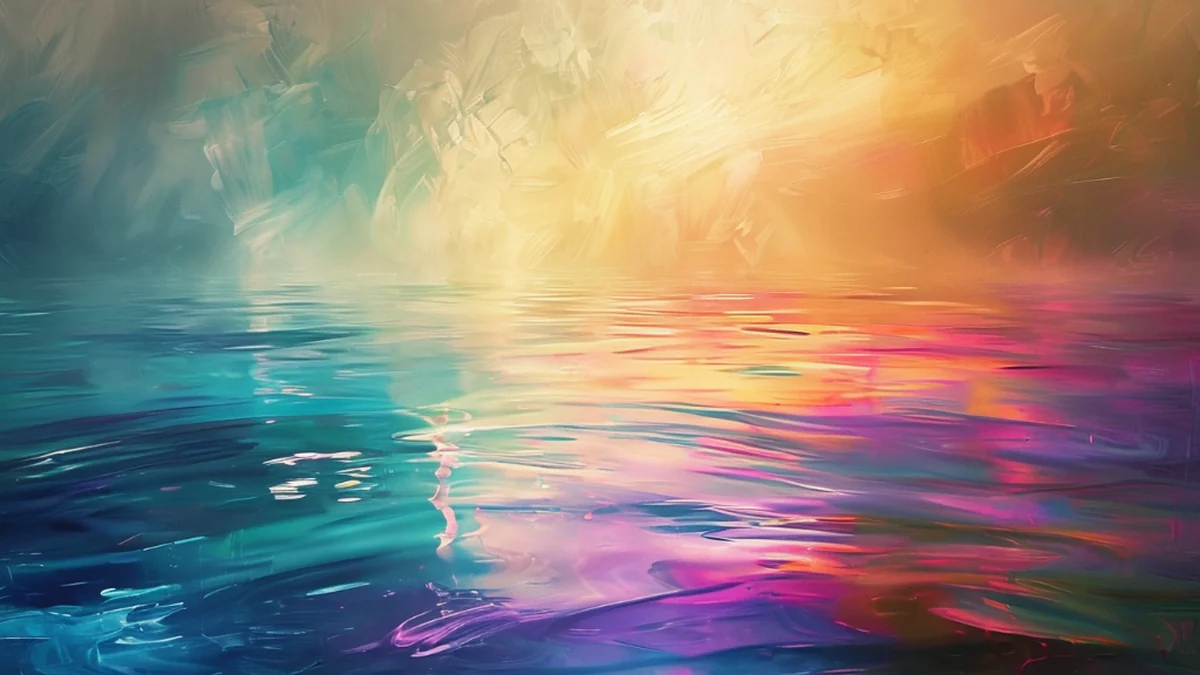
Impressionism was a radical art revolution centered in 19th-century Paris that prioritized the perception of changing light and color over fixed forms. By breaking away from rigid academic traditions, masters like Monet and Renoir opened the gateway to modern art through spontaneous, sensory experiences.
* Core Value: Capturing the immediate sensation of light and atmosphere rather than precise detail. * Key Techniques: Using short, thick "broken" brushstrokes and optical color mixing to maximize visual vibration. * Historical Impact: Challenging the strict rules of the traditional Academy to pave the way for 20th-century abstraction. * Leading Figures: Claude Monet, Pierre-Auguste Renoir, Edgar Degas, and Camille Pissarro.
What Exactly is Impressionism and Why Does It Still Captivate Us?
If you look at Google Trends data from the first half of 2026, "Impressionism" remains one of the most consistently searched art movements globally. This enduring popularity proves it isn't just a dusty relic; it is a visual language that still resonates with our modern desire for sensory connection.
The movement emerged in the 1870s and 1880s as a rebellion against the "Salon" system—the conservative, state-sponsored exhibitions that dictated what was considered "good" art. At the time, the establishment demanded polished surfaces and mythological subjects.
The Impressionists threw those rules out the window. Instead of painting gods or kings, they painted the world as it actually felt: a sun-drenched cafe, a crowded city street, or the way light ripples on water.
According to educational resources from the Metropolitan Museum of Art's 2025 seasonal guides, these artists weren't just painting "objects"; they were painting the human visual experience of those objects. This shift in focus is what fundamentally birthed modern art.
The Masters of Light: From Monet’s Sunsets to Degas’ Dancers
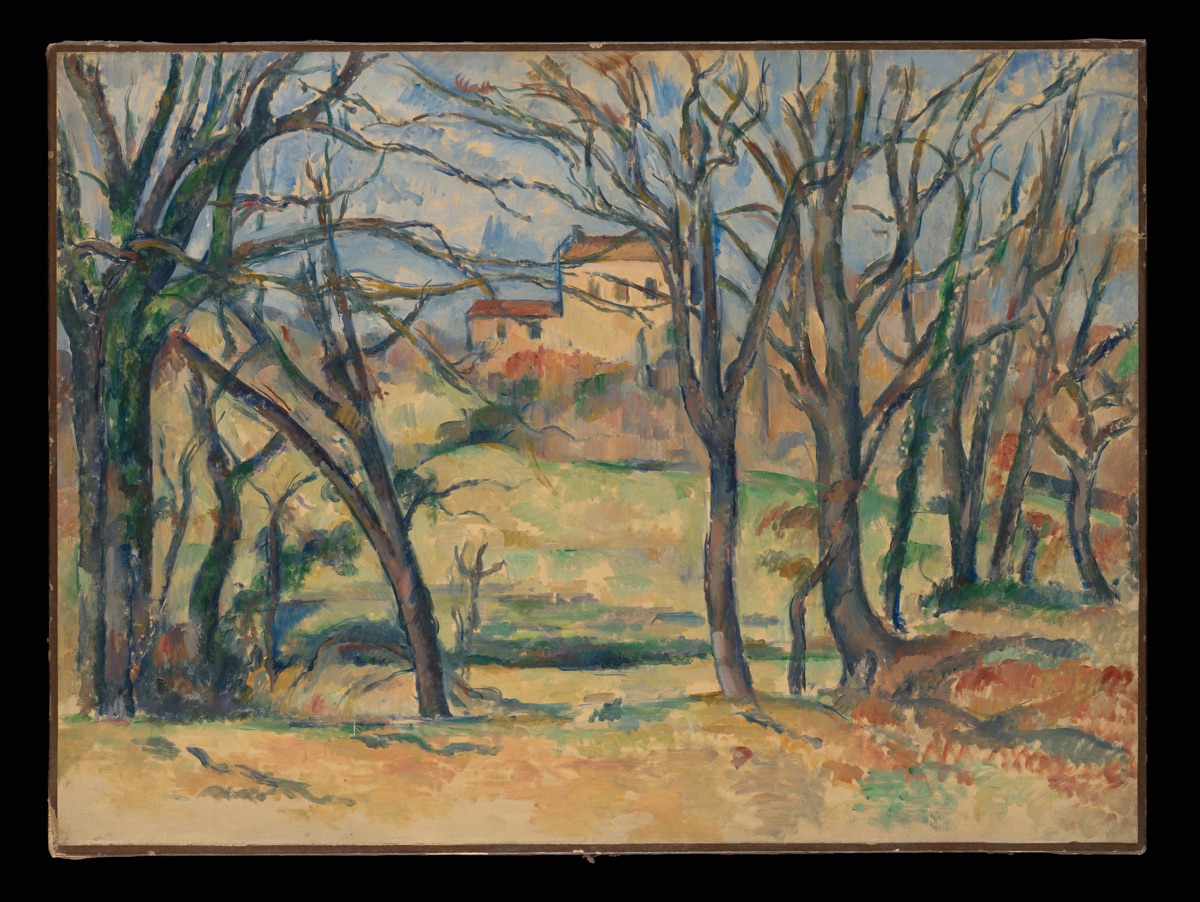
You cannot discuss this movement without mentioning Claude Monet. His painting *Impression, Sunrise* actually gave the movement its name, though initially, critics used the term as an insult, mocking his work as "unfinished."
Monet was obsessed with how time changed color. He frequently painted "series"—the same subject at different hours—to scientifically track the sun's impact on landscape and architecture.
| Artist | Signature Style | Primary Subjects |
|---|---|---|
| Claude Monet | Capturing light vibrations & atmosphere | Water lilies, landscapes, cathedrals |
| Pierre-Auguste Renoir | Soft brushwork & warm, glowing tones | People, children, social gatherings |
| Edgar Degas | Movement and asymmetrical compositions | Ballerinas, horse racing, daily life |
| Camille Pissarro | Textural landscapes & rural scenes | Countryside, bustling city streets |
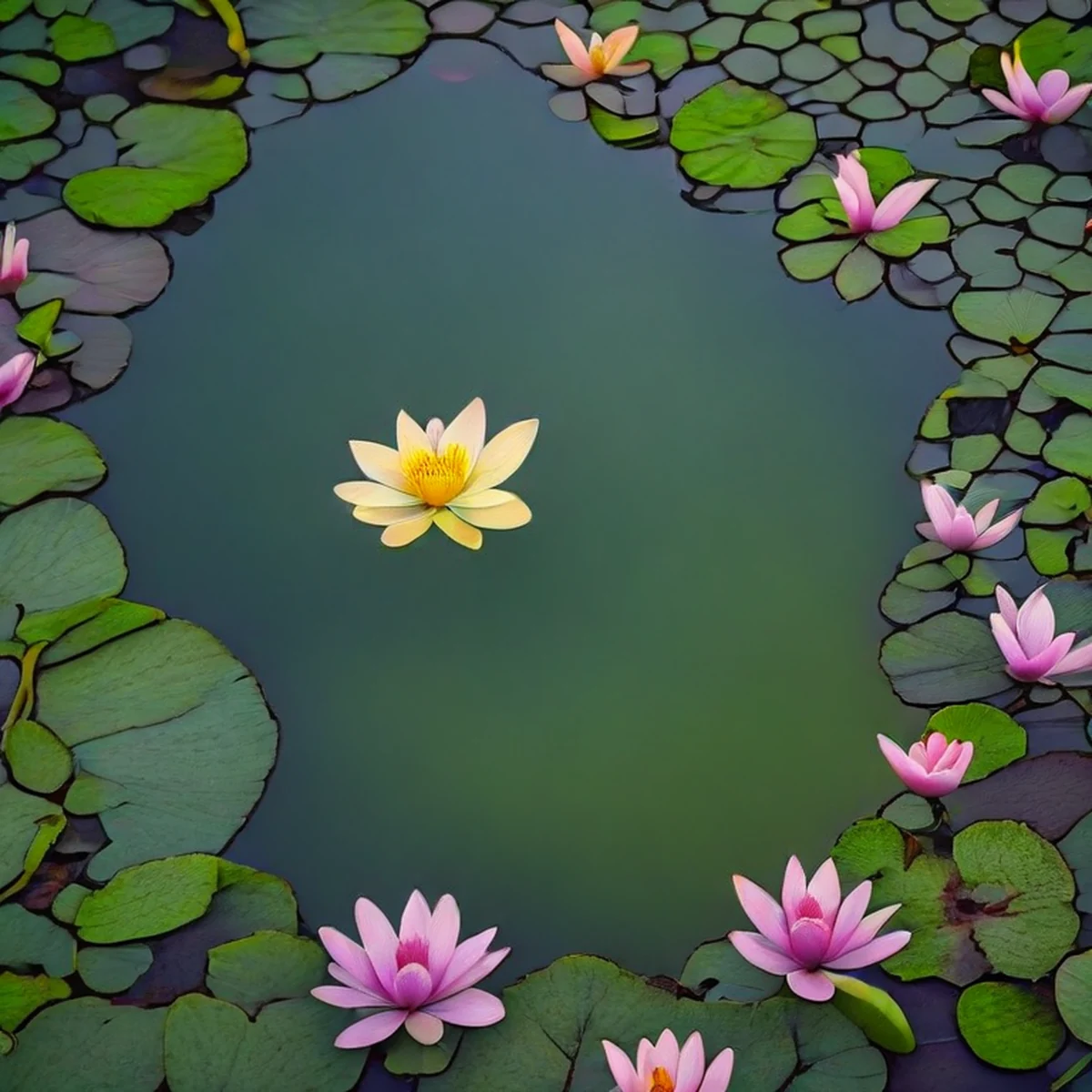
I remember standing in front of Monet’s massive *Water Lilies* installation during a trip to the Musée d'Orsay in the fall of 2025. Up close, the canvas looked like a chaotic mess of thick, irregular globs of paint.
However, as I took five steps back, the mess transformed. Suddenly, a serene blue pond and soft, shimmering light materialized before my eyes. That sudden "click" where the texture becomes a living atmosphere is an experience I’ll never forget.
The Technical Revolution: Broken Color and Optical Mixing
The Impressionists used techniques that were considered scandalous at the time. Instead of blending colors smoothly on a palette to create a flat tone, they applied short strokes of pure color side-by-side on the canvas.
This is an early form of "optical mixing." When you stand at a distance, your eyes do the work the brush didn't. For example, rather than mixing blue and yellow paint to make green, they would place tiny dots of both next to each other.
The result is a much more luminous, vibrant green that feels "alive." To achieve this effect, they followed a specific workflow:
- En Plein Air (Outdoor Painting): They left dark studios to paint directly in nature to catch real-time light.
- Broken Brushstrokes: They avoided hard outlines, using dabs of color to suggest shape and volume.
- Eliminating Black: They realized shadows aren't actually black; they used complementary colors like deep blues or purples to represent shade.
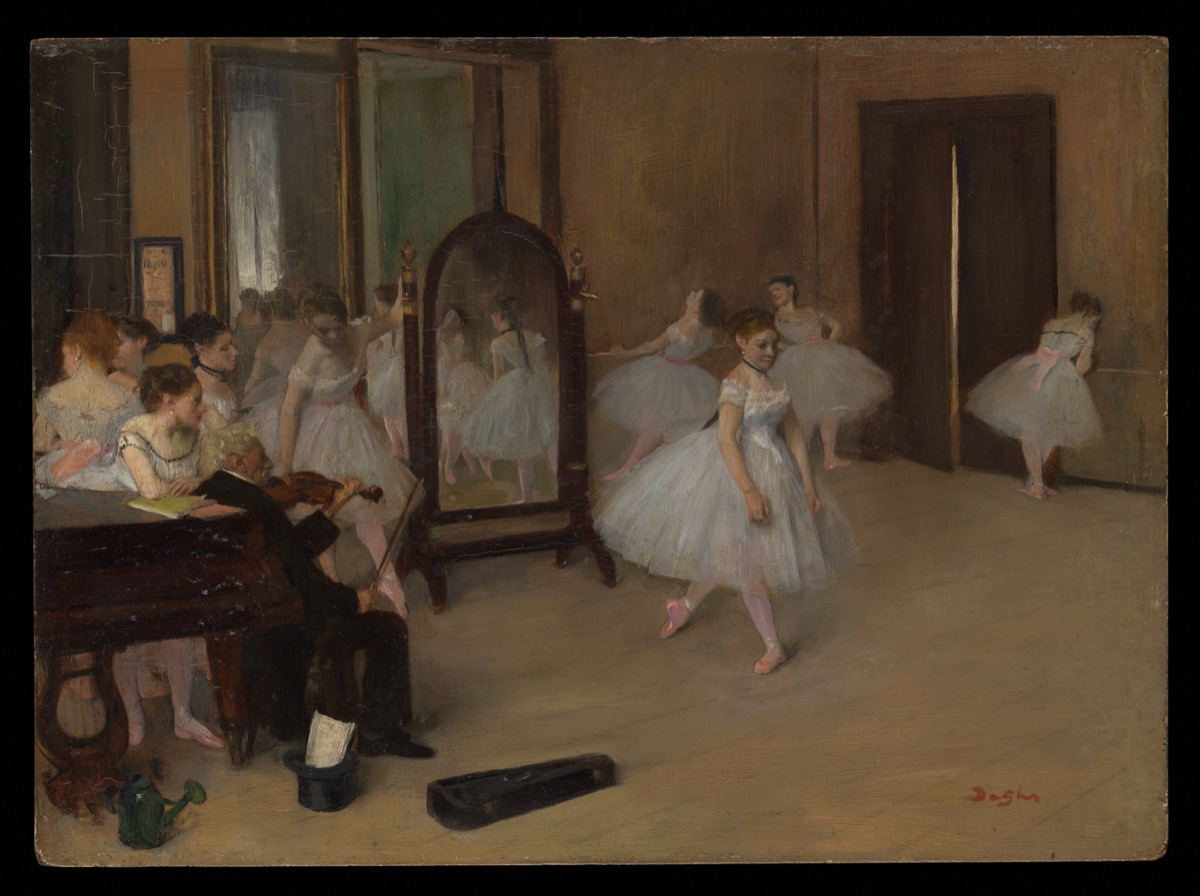
- Open Composition: Influenced by photography, they often used "cropped" views where figures might be cut off at the edge of the frame.
The Role of Technology: How Tin Tubes Changed Art History
We often forget that Impressionism was fueled by the Industrial Revolution. Before the mid-19th century, painters had to grind their own pigments and mix them with oil in a studio—a messy, stationary process.
The invention of portable tin paint tubes changed everything. For the first time, artists could pack their supplies and head into the fields or to the coast. This mobility was further supported by the expansion of the railroad.
However, this wasn't an easy transition. According to official records from the French Academy of Fine Arts dating back to 1874, the Impressionists were met with fierce hostility. Critics dismissed their work as "eye-straining scribbles."
While controversial, this friction was necessary. According to a 2025 report by the Art History Institute, such radical shifts in technique are often what drive the next century of artistic evolution. This friction helped push art into the modern era.
How to Appreciate Impressionism Like a Pro
When you're viewing these works in a museum, don't try too hard to find perfect lines or realistic details. Instead, focus on the temperature of the light and the overall mood.
I suggest a two-step approach: First, walk right up to the painting. Look at the "impasto"—the physical thickness of the paint—and see how much energy is in those strokes.
Then, slowly back away until the colors merge into a single scene. Also, look closely at the shadows. Instead of looking for dark spots, look for the violets, blues, and deep reds hidden within them. Once you start seeing color in the shadows, you'll be seeing the world exactly the way Monet did.
Comments 0